






Perfume selection depends on the venue's purchasing occasions, verified demand, permitted fragrance range and the machine's dispensing configuration. A scent that performs well in one hotel, nightclub or shopping center may attract little interest elsewhere, so local sales and availability data are more reliable than universal bestseller assumptions.
Fragrance assortment planning depends on usable nozzle capacity, customer demand, consumable costs, product compatibility, stock availability and changeover requirements. Paid transactions, stockout records and channel-level contribution provide a basis for retaining, replacing or rotating scents.
Quick Answer
Start with a small, compatible fragrance mix matched to the venue. Track paid sales, stock availability and channel costs, then retain or replace scents based on reliable results—not assumptions about popularity.
KEY TAKEAWAYS
- Venue demand matters more than a generic fragrance popularity list.
- Five-nozzle and ten-nozzle formats change choice capacity and service complexity, not guaranteed profitability.
- Measure product performance only during comparable periods when the channel was available to customers.
- Verify fragrance compatibility, labeling, storage and approved changeover procedures before switching products.
1. Identify the Customer Use Case at Each Venue
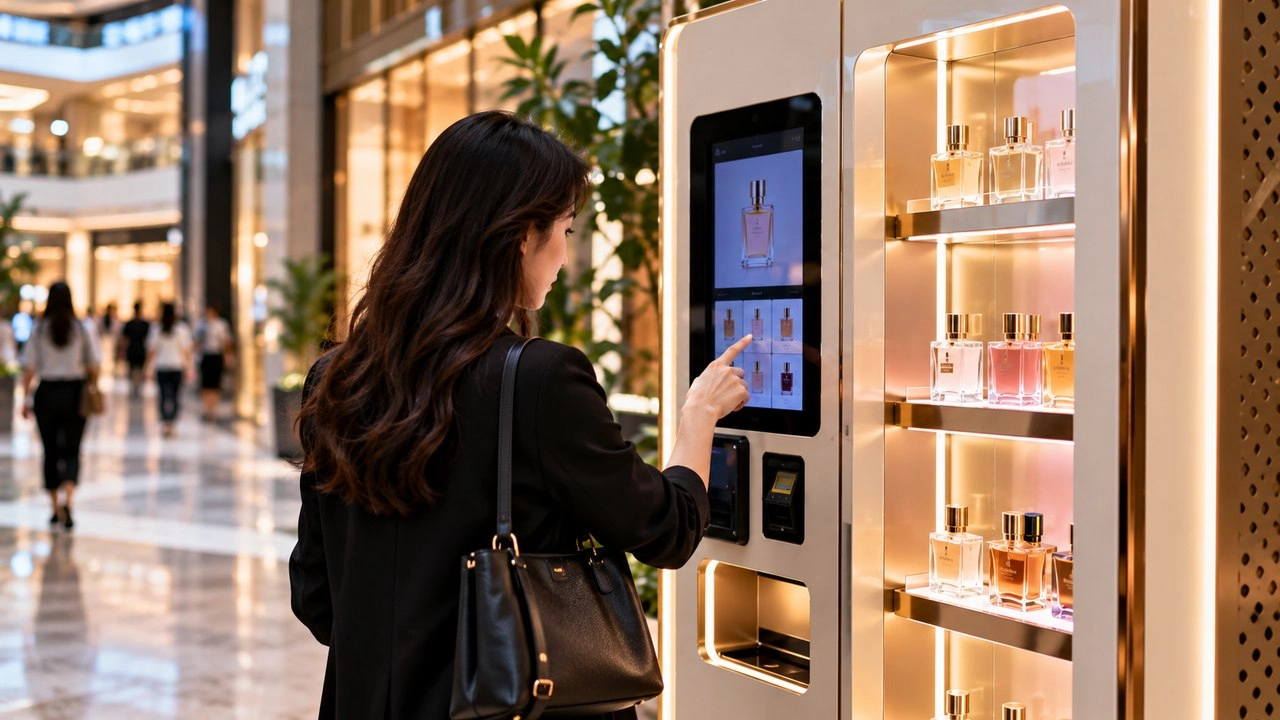
Begin with why a customer might use fragrance at that particular location. Someone preparing for an evening event may respond to a different occasion than a hotel guest or a mall visitor seeking a brief sample. These are hypotheses to test, not stereotypes about people or guarantees of a specific scent preference.
Record the venue type, planned customer journey, service hours, seasonality, product pricing and any venue-specific brand restrictions. Observe permitted customer feedback and buying behavior, using appropriate consent and privacy practices. Avoid inferring protected characteristics or building invasive personal profiles from a few transactions.
| Venue Context | Assortment Question to Test | Operating Consideration |
|---|---|---|
| Nightclub / entertainment | Are customers using the dispenser before entry or during an event? | Access at busy hours and refill timing |
| Shopping center / retail | Do paid trial dispenses or product discovery dominate? | Customer instructions, brand permissions and price clarity |
| Hotel / hospitality | Is use linked to guest convenience or specific occasions? | Front-desk coordination, quiet hours, servicing access |
| Events / temporary sites | Is demand concentrated in short operating windows? | Pre-event stock, post-event reconciliation and logistics |
Assortment decisions should be tied to a documented location review. For equipment rollouts with different venue types, repeat the same customer-demand questions instead of copying the entire product lineup from one site to another.
2. Plan Fragrance Choice Around the Actual Nozzle Configuration
The number of dispensing nozzles determines how many fragrance paths may be available in the purchased configuration, but it does not prove that every channel must carry a different fragrance. A wider selection can improve choice while adding purchasing, cleaning, labeling and inventory complexity. Confirm actual usable channels and supplier specifications before designing a menu.
A five-nozzle versus ten-nozzle perfume vending configuration changes the number of fragrance paths that must be stocked, checked and serviced. Extra customer choice can raise purchasing, labeling, cleaning and changeover requirements; the added variety is worthwhile only when observed demand supports it.
| Configuration Question | Five-Nozzle Planning | Ten-Nozzle Planning |
|---|---|---|
| Variety | Start with a focused set of compatible products | Allow broader experiments only if the audience supports them |
| Inventory | Fewer channels to monitor, but stockouts can remove major choices | More distinct stock positions and a potentially wider refill list |
| Changeover | Track each approved product and replacement | Use stricter channel mapping and contamination controls |
| Sales evidence | Review enough transactions before replacing a scent | Avoid spreading too few transactions across many options |
3. Build an Initial Scent-Family Assortment—Then Test It
When no reliable sales history exists, operators can start with a balanced selection of permitted fragrance styles. Common descriptive families include fresh/citrus, floral, woody, aromatic and warm/amber. These are categories for organizing a test, not claims that any family is a bestseller or preferred by a particular demographic.
A test assortment might vary by intensity, usage occasion and price point, subject to the products the operator is authorized to sell. Avoid assigning a scent family to a customer group without evidence. Display the actual product description accurately, including relevant labeling or warnings required in the target market.
One possible test design could use one fresh, one floral, one woody, one warm and one rotating candidate, if suitable approved products and configurations are available.
The proposed five-channel assortment is an illustrative test, not a validated bestseller ranking. Each fragrance category should be retained or replaced according to local transactions, product availability, approved compatibility and contribution after direct costs.
As actual demand becomes clearer, an operator may allocate more than one channel to a strong product if the equipment and commercial setup allow it. Do not assume that nozzle duplication, container switching or liquid changes are supported without explicit manufacturer instructions.
4. Measure Performance by Fragrance, Not Just Total Machine Sales
A single machine's total sales can hide a product assortment problem. Track each fragrance by channel and product reference, using settled paid transactions or verified dispensing records where available. Record price, refill quantities, product cost, time available, stockouts, discounts, customer issues and trial-period changes.
| Metric | Useful Definition | Interpretation |
|---|---|---|
| Settled sales by fragrance | Confirmed paid transactions or revenue tied to approved product/channel | Which options customers actually purchase |
| Transactions per available day | Successful product transactions divided by channel-available days | Prevents stockouts making products appear unpopular |
| Direct contribution | Settled sales minus attributable fragrance, payment and other direct product costs | Whether volume is economically attractive |
| Availability & exceptions | Out-of-stock, blocked nozzle, quality complaints or changeover days | Separates operations failures from weak demand |
| Refill frequency | Use, delivery lead time and service visits | Helps control stock and labor costs |
Keep customer and payment records only as necessary and legally appropriate for the business. A product's observed results may depend on its price, promotion, machine availability and venue context. Compare like-for-like conditions before concluding that fragrance preference has changed.
5. Use an Evidence-Based Product Rotation Rule
Fragrance rotation replaces or repositions a weak-performing product after a fair test. It should not be a fixed monthly ritual that discards useful stock. Set a review window based on transaction volume, operating days and seasonal conditions, and document what would justify a change.
Example: A Product Review Using Available Days
Suppose Product A makes 35 settled transactions in 25 available days, while Product B makes 18 in only 10 available days because its channel was unavailable for part of the review period. A's observed rate is 1.4 transactions per available day; B's is 1.8. This hypothetical example shows why raw counts alone can mislead. Neither rate proves future demand or profitability, and product prices and costs still matter.
- Confirm the product and channel were available and correctly mapped throughout the comparison.
- Inspect paid transactions, cost, refill history and customer feedback for the review window.
- Decide whether a controlled price, presentation or inventory test is more informative than replacing the fragrance.
- Approve the product switch with the venue, supplier and authorized operator where required.
- Record the change date, channel, product reference and post-change test results.
A successful rotation is a disciplined experiment, not a claim that all customers will prefer the new scent. Avoid promising a particular improvement percentage without supported historical data.
6. Control Refill, Changeover and Cross-Contamination Risks
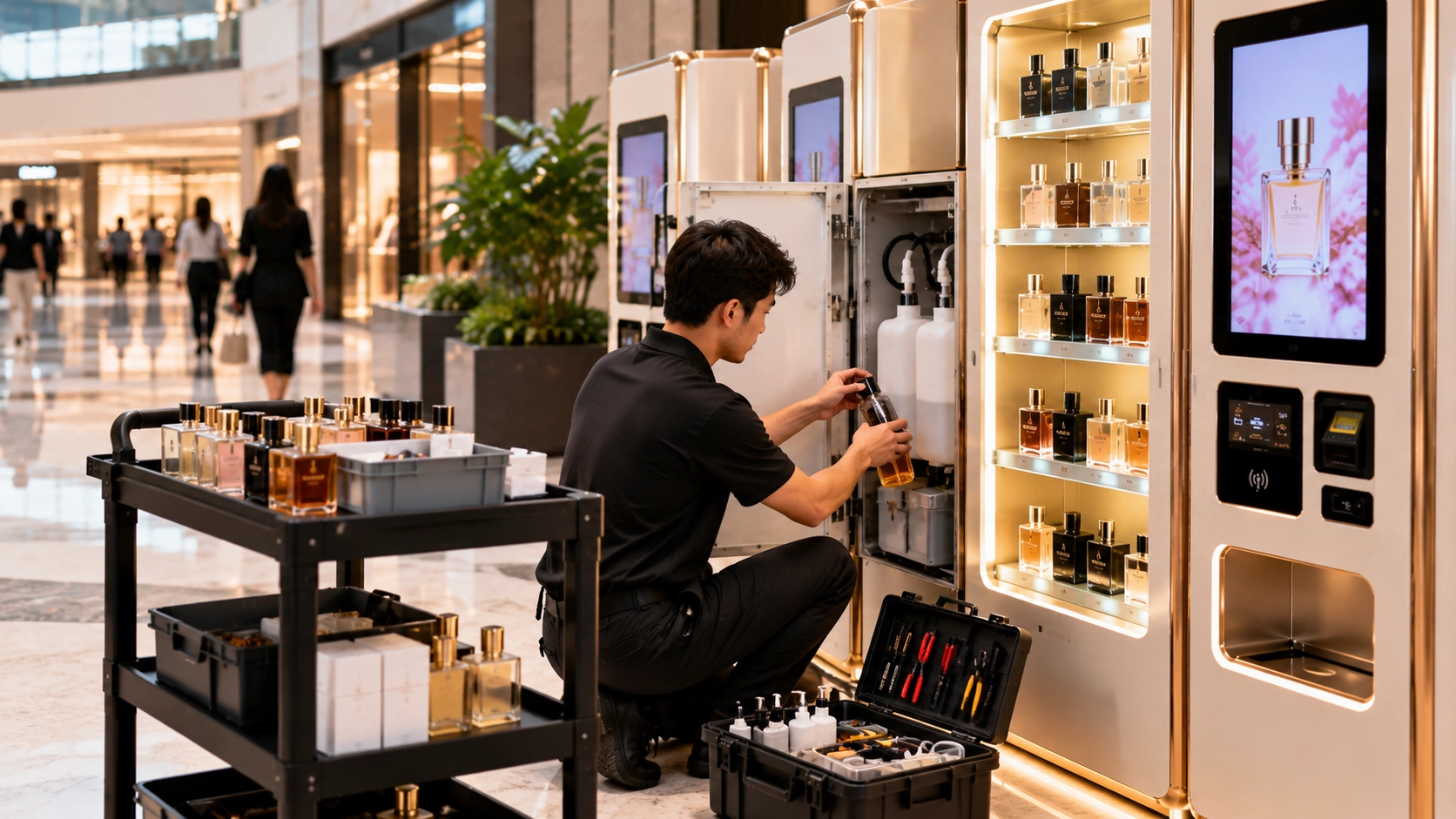
Changing perfume involves product handling and equipment compatibility, not only updating the screen name. Confirm the fragrance formula is allowed, the container fits the approved fluid path, and the correct channel is labeled. Follow documented supplier procedures for priming, cleaning and any flushing. Never use a generic cleaning solvent or assume two fragrances can share an unverified fluid path.
In multi-nozzle equipment, fragrance carryover and cross-contamination risks increase when products are assigned to the wrong channel or changeovers are carried out without verified cleaning procedures. Maintain an accurate product-to-channel register and investigate unexpected odors, spray delivery problems and customer complaints after a change.
Coordinate fragrance rotation with refill route planning and stockout thresholds so approved replacement products, trained staff and any required parts arrive during a planned service visit. Uncoordinated changeovers can increase travel costs and leave popular channels unavailable.
7. Compare Real MAKMIK Formats When Planning the Product Range
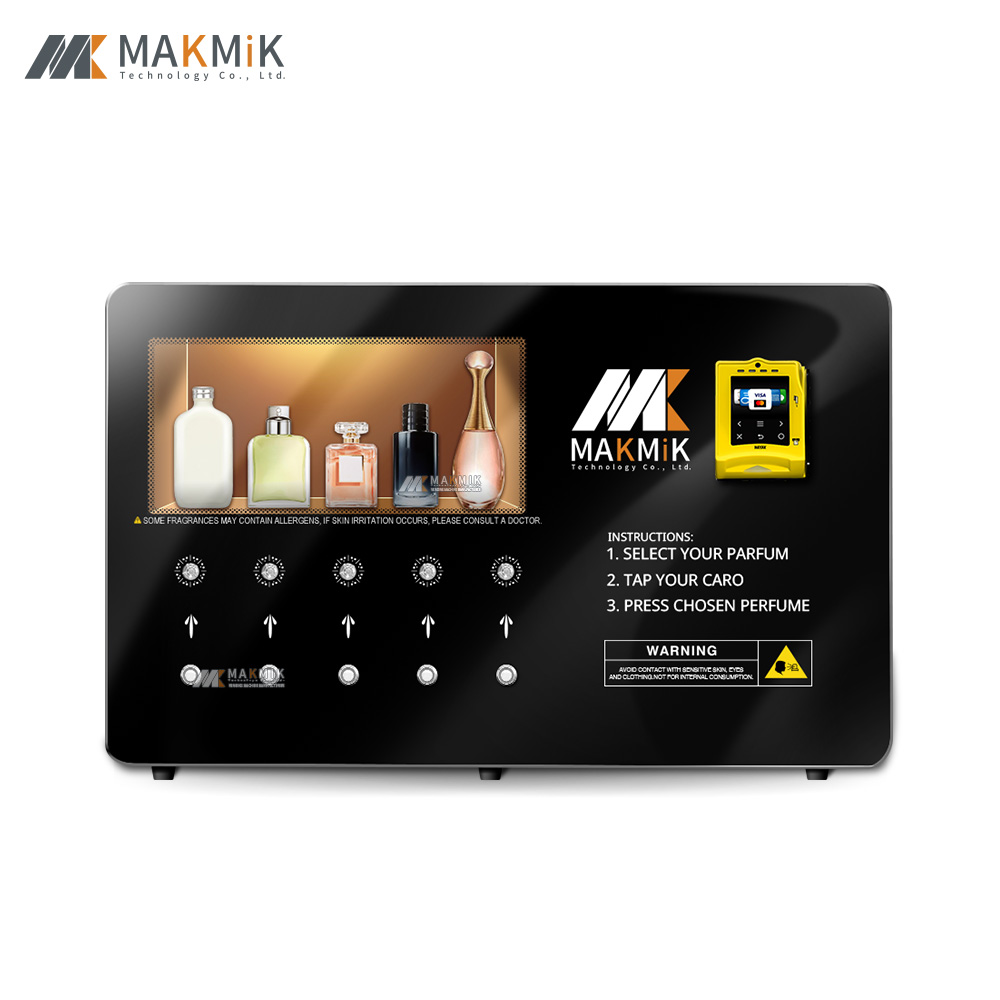
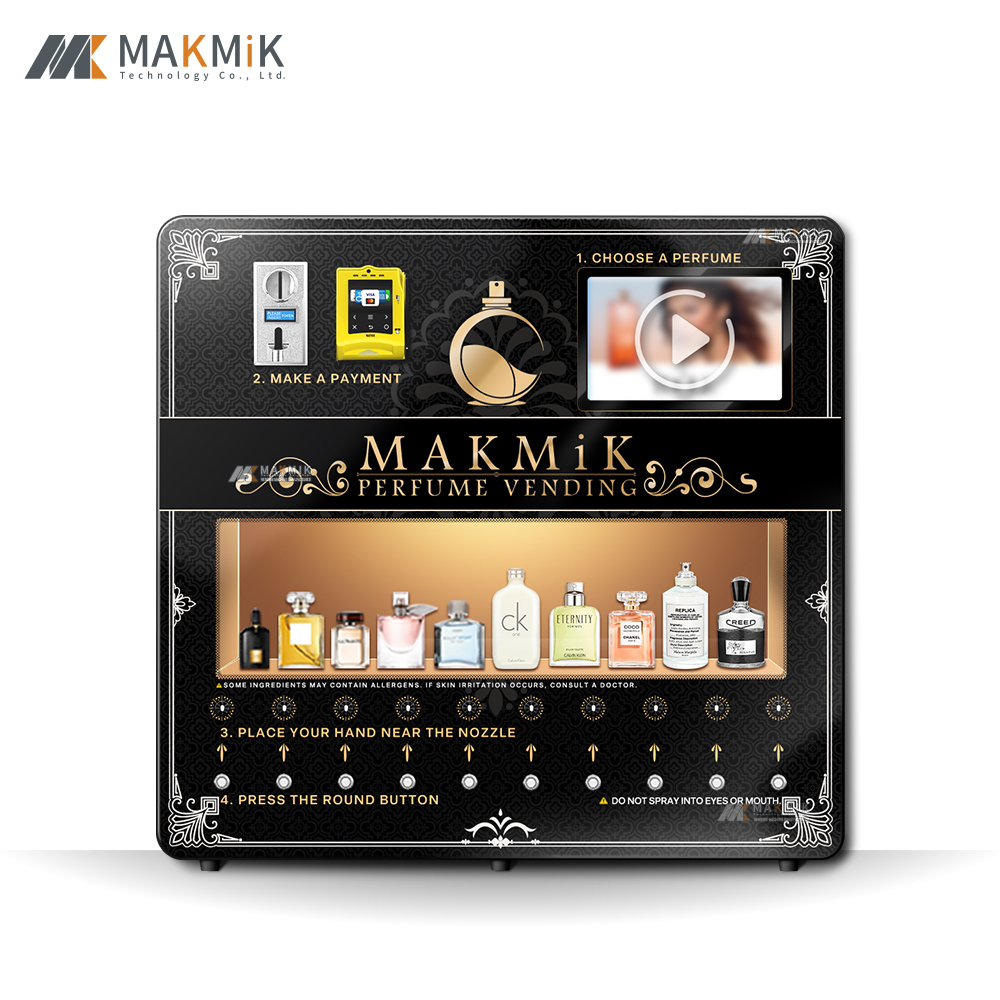
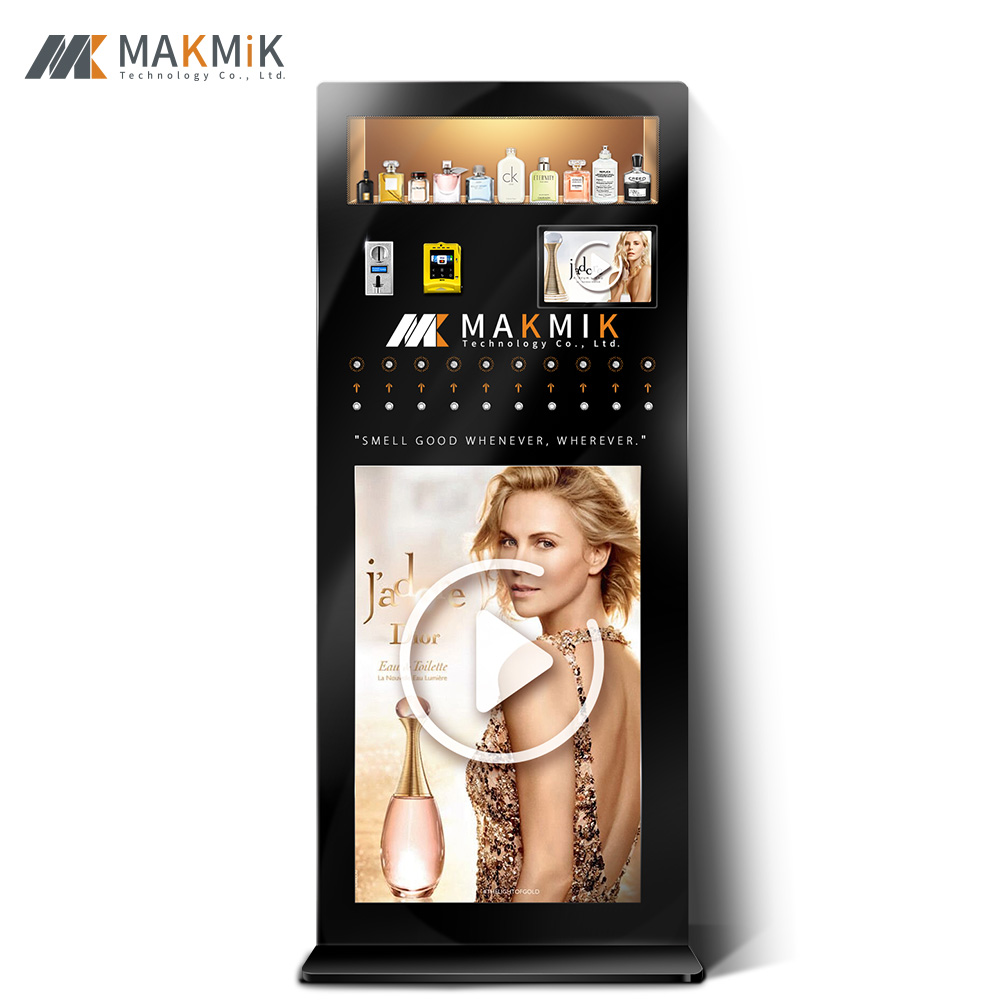
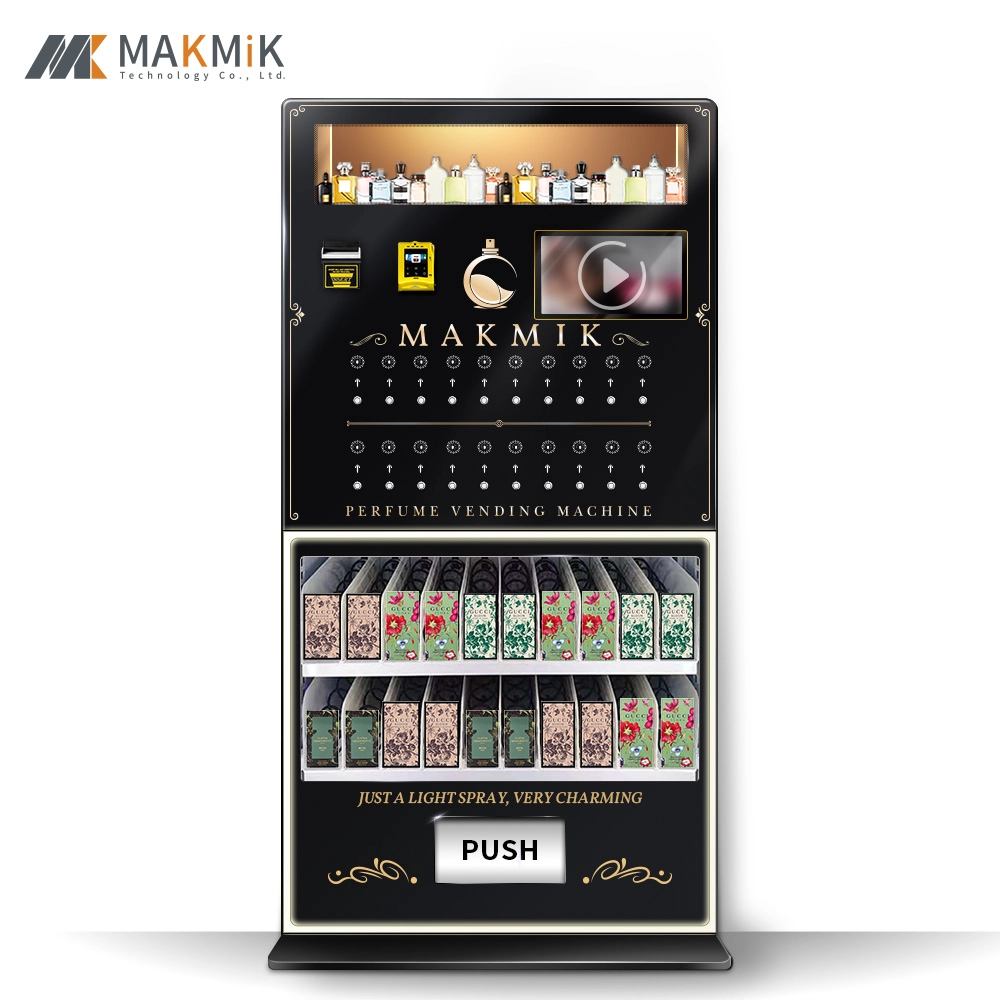
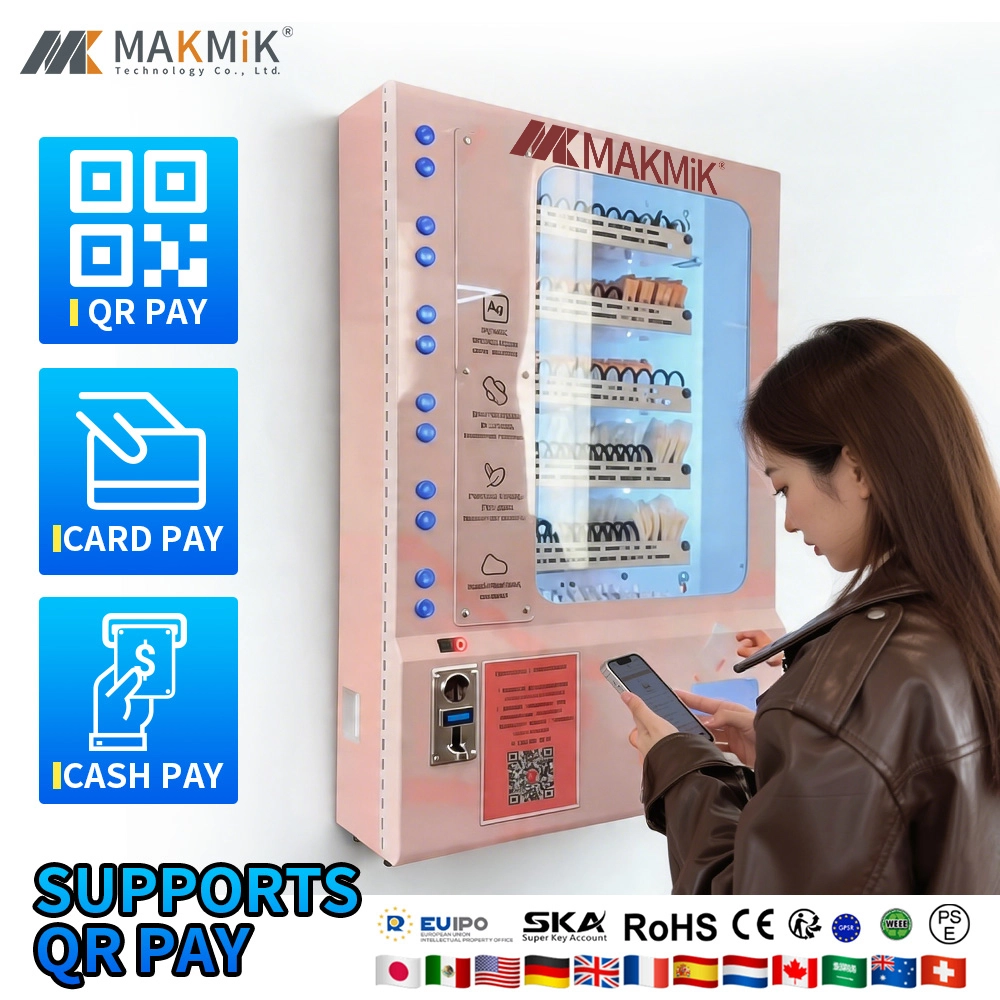
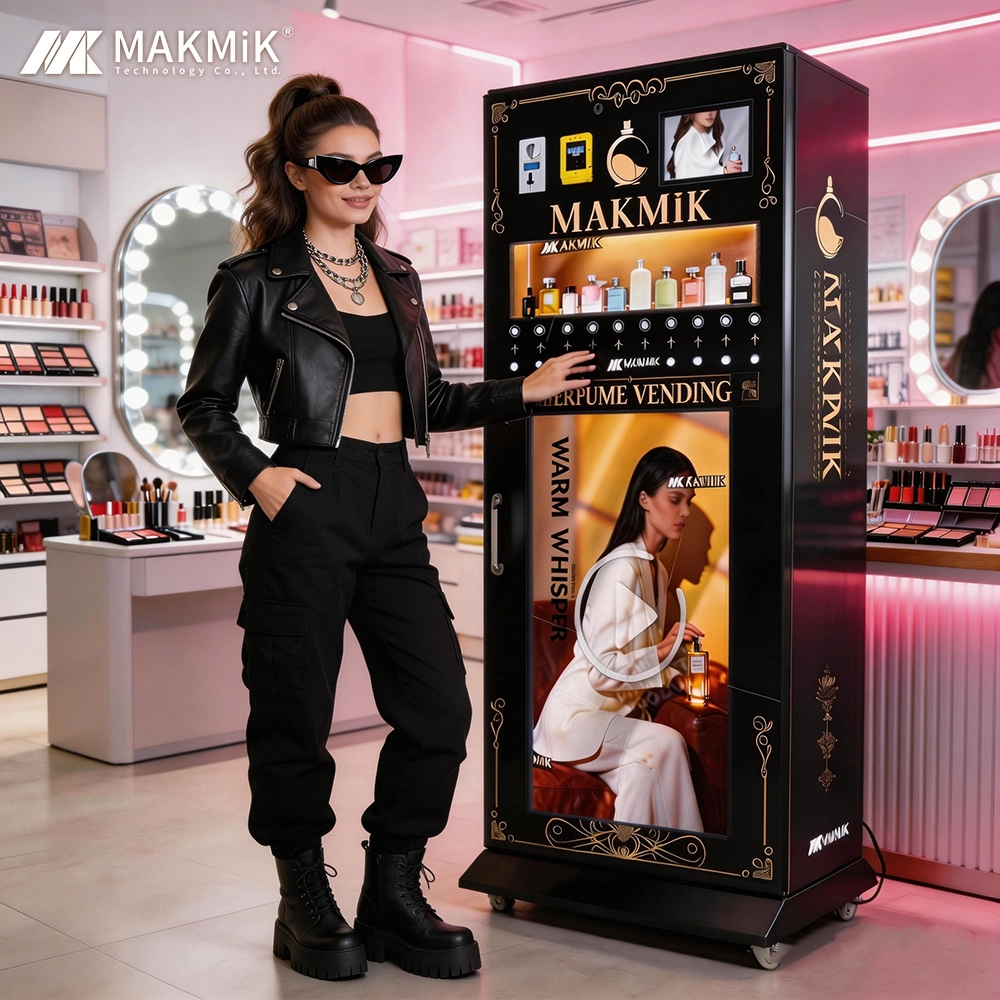
Five-nozzle wall-mounted dispensers and ten-nozzle standing formats require different channel stock records, access procedures and assortment controls. For every purchased model revision, confirm container compatibility, dispensing paths, storage requirements and supported fragrance formulations before selecting products.
8. Protect Product Quality, Branding Rights and Customer Trust
A brand's name, packaging or logo should not be used merely because a fragrance is available through a reseller. Confirm trademark, distribution, authenticity, container and labeling rights for the relevant market. Product quality and customer safety obligations can depend on fragrance ingredients, storage conditions, local product rules and the way the dispenser is operated.
Record supplier batch or other relevant traceability identifiers where appropriate, check approved handling and storage requirements, prevent expired or degraded stock entering the machine, and use authorized service procedures after a changeover. For a commercial rollout, obtain written confirmation of permitted formulations and compatible fragrance-contact materials from the equipment supplier.
9. Create a Simple Monthly Assortment Review Sheet
Use the same product tracking definitions at every site, but make assortment decisions locally when actual demand differs. A periodic review sheet should include venue and machine, channel, fragrance identifier, opening and closing stock, refills, confirmed transactions, net revenue, approximate consumable cost, unavailable days, complaints and the decision owner.
| Review Field | Question | Possible Action |
|---|---|---|
| Demand | Which fragrance received real paid transactions during comparable available periods? | Keep, test or replace |
| Economics | Does its direct contribution justify the slot and inventory? | Review price, product cost and service workload |
| Quality | Were there scent carryover, storage or dispensing concerns? | Investigate and correct before rotation |
| Supply | Can the approved fragrance be sourced with reliable lead time? | Adjust safety stock or qualified alternative |
| Customer context | Did site events or audience change during the period? | Repeat observation instead of rushing a decision |
The correct assortment is rarely a one-time choice. Product rotation, stocking and service capacity should be reviewed together, especially when moving from one machine to multiple venues. Make each change traceable so the operator can learn whether it actually improved customer experience and financial performance.
Final Assortment Planning Checklist
- Venue needs and customer usage occasions documented
- Approved fragrances, batch/label information and supplier rights checked
- Usable channels and product-to-nozzle mapping confirmed
- Refill availability and compatible servicing process approved
- Baseline paid transactions and direct cost data recorded
- Rotation test and review window agreed before a change
- Product selection and channel records updated after commissioning
A strong fragrance assortment comes from a process, not a universal list of “best perfumes.” Choose a suitable starting range, keep it available and accurately described, compare real performance, and rotate only when the evidence and cost of change justify it.
Choose a Configuration for Your Venue
Compare Perfume Vending Machine Product Formats
Share your intended fragrance range, machine quantity and venue requirements so MAKMIK can review relevant published formats and project-specific specifications.


Facebook
Linkedlin
YouTube
Instagram