






A strong perfume vending machine location can still become a weak business decision when the placement agreement is unclear. A machine may be visible, attract interest, and accept payments—yet fixed rent, commission rules, restricted service access, or an unexpected removal requirement can change the economics of the entire project.
For operators placing fragrance vending equipment in shopping malls, hotels, nightclubs, airports, retail stores, and other commercial venues, the agreement needs to do more than grant space. It must explain how the machine can be installed, operated, serviced, paid for, and removed. This guide focuses on the commercial and operational checklist to prepare before signing.
Quick Answer
Before placing a perfume vending machine, get a written agreement that fixes the exact location, rent or revenue-share formula, access and utility responsibilities, sales reconciliation, insurance, term, and clear exit or relocation rights.
Key Takeaways
- Compare fixed rent, percentage revenue share, and hybrid fees using your own low, base, and high sales estimates.
- Define the commission base and payment reconciliation—not only the percentage.
- Confirm physical access for delivery, refilling, maintenance, emergency repair, and removal.
- Document machine ownership, power, connectivity, insurance, damage responsibility, and termination.
1. Identify the Contracting Parties and Exact Machine Position
Start with the legal names of the vending operator and the party authorized to grant the space. A store manager may be interested in hosting a machine but may not have authority to approve construction, long-term placement, branding, or revenue-sharing obligations. Confirm approvals through the correct owner, tenant, property manager, or other authorized representative.
Attach a site plan or annotated photo identifying the equipment position, number of machines, format, approximate footprint, power connection, and customer approach. State whether the venue can move the equipment without written consent. Placement beside a doorway can be commercially different from placement behind a column—even in the same building.
Before agreeing to a specific spot, complete a perfume vending installation site survey covering the delivery route, electrical compatibility, connectivity, accessible circulation, structural conditions, and maintenance clearances. The contract should not promise an installation that the actual machine cannot safely support.
2. Compare Fixed Rent, Revenue Share, and Hybrid Placement Fees
A venue might request a fixed monthly license fee or rent, a percentage of vending sales, or both. No structure is automatically the best deal. Evaluate the payment formula against realistic demand and against the costs of fragrance, payment processing, replenishment, repairs, and operator labor.
| Fee Model | Operator Trade-Off | Agreement Detail |
|---|---|---|
| Fixed rent / license fee | Predictable cost but ongoing risk in slow months | Amount, due date, deposit, increases, utilities |
| Revenue share | Venue fee tracks the agreed sales base | Percentage, included sales, refunds, reports, settlement |
| Hybrid: base + commission | Smaller fixed cost plus sales-linked upside for venue | Base charge, rate, thresholds and any caps |
Illustrative Cost Comparison—Not Market Rates
Assume, solely to compare formulas, a venue offers $150 fixed rent, 20% revenue share, or a $75 base fee plus 10% of sales. The following sales amounts are hypothetical, not MAKMIK transaction results or typical venue fees.
| Hypothetical Monthly Sales | Fixed $150 | 20% Share | $75 + 10% |
|---|---|---|---|
| $300 | $150 | $60 | $105 |
| $800 | $150 | $160 | $155 |
| $1,600 | $150 | $320 | $235 |
Under these assumptions, fixed rent and 20% revenue share are equal at $750 in monthly sales. This is only a venue-fee break-even point, not a business profit threshold. Actual contribution must subtract other site expenses. Agreements using net sales rather than gross sales, minimum guarantees, escalators, taxes, and other adjustments require their own calculation.
Use conservative estimates from comparable venues, not a headline footfall figure. Evaluate the proposed commission against the cost and ROI framework for perfume vending operations before deciding whether a location is financially viable.
3. Define Sales, Refunds, Reports, and Payment Settlement
“Twenty percent of sales” is incomplete without a defined sales base. Ask whether the calculation uses gross paid transactions, sales after taxes and refunds, or another defined figure. State how discounts, failed authorizations, voids, chargebacks, refunds, coupon promotions, and payment-processing fees affect the commission, if at all.
Specify who operates the payment account, who receives customer proceeds, who handles refunds and disputes, which report the venue may review, the settlement currency and schedule, and the process for correcting discrepancies. A dashboard screenshot does not necessarily equal settled cash.
Reporting period · payment provider statement · successful paid transactions · refunds/chargebacks · applicable taxes · contractual commission base · percentage/fee · amount due · dispute and correction process.
4. Secure Installation, Refill, and Emergency Service Access
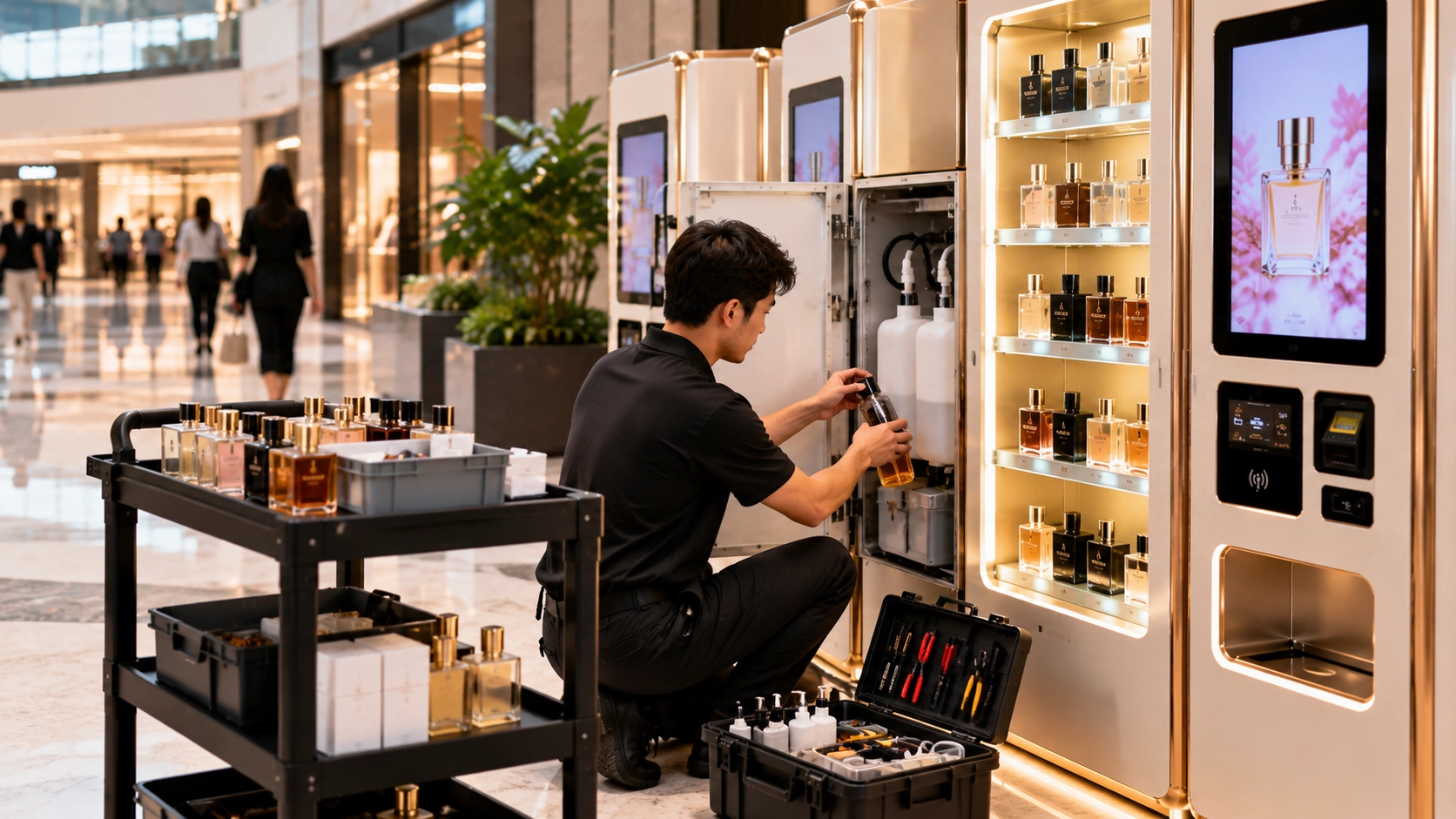
Location access is not just an operational convenience. Restricted mall opening hours, locked staff entrances, loading-dock rules, security escorts, or blackout periods can add labor costs and delay maintenance. Confirm the route for the machine's original delivery as well as the everyday route used for fragrance refills and component replacement.
Record permitted service hours, advance-notice rules, staff identification, access-card or key procedures, parking and loading arrangements, and any required security escort. Clarify when technicians may isolate power or temporarily block customer use. The agreement should also provide a workable path for urgent repairs and eventual removal.
For fragrance spraying, consider the customer sampling zone, ventilation and venue rules on fragrance use. The operator should verify whether the installation and product presentation are appropriate for that property and destination market rather than assuming approval for all public spaces.
5. Allocate Utilities, Stocking, Cleaning, and Service Responsibilities
A reliable agreement states who provides and pays for the electrical connection, any approved network access, installation work, machine anchoring and signage. It should also clarify what happens if power or connectivity is unavailable due to venue maintenance, an outage, or infrastructure changes.
Make responsibilities explicit for fragrance refilling, sanitation, litter or sample-area cleanup, routine inspections, customer support, refunds, machine repairs and service reporting. Define response expectations in realistic terms that fit local staffing and parts availability, not generic promises of permanent uptime.
When planning multiple sites, align these terms with the 1-to-20 unit perfume vending machine expansion process so contracts do not require different ad hoc refill and access methods at every property.
6. Clarify Equipment Ownership, Risk, and Insurance
Document who owns the machine, payment hardware, branded panels, stock and transaction data, subject to the agreed software and privacy terms. Confirm which party may authorize relocation, disconnection, upgrades or removal. Do not rely on informal assurances that equipment can always be collected after a dispute.
Discuss how insurance and responsibility are allocated for property damage, injury claims, theft, vandalism, accidental disconnection, and problems arising from installation or customer use. Insurance limits and certificate requirements depend on the venue, insurer and jurisdiction; request the applicable terms rather than copying a number from a generic agreement.
Verify relevant local permissions and product rules, including any fragrance-related safety, labeling, accessibility, electrical and building requirements. The venue agreement does not replace these checks. For material legal or insurance obligations, obtain advice from qualified local professionals.
7. Negotiate Exclusivity, Branding, and Customer Experience
Exclusivity can protect an operator from directly competing equipment, but the scope must be clear: does it cover perfume spray machines, all fragrance products, a particular floor, or the entire venue? Broad exclusivity may be difficult to negotiate and may not be appropriate for every operator.
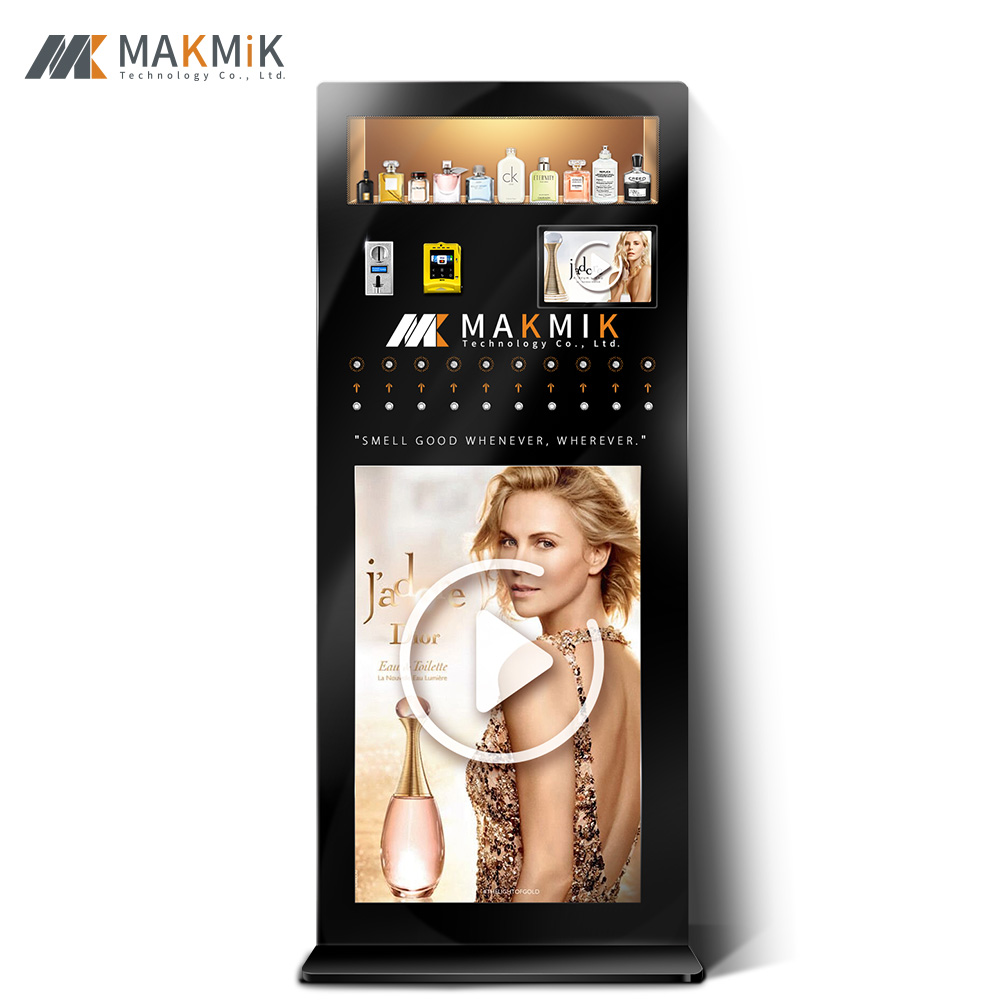
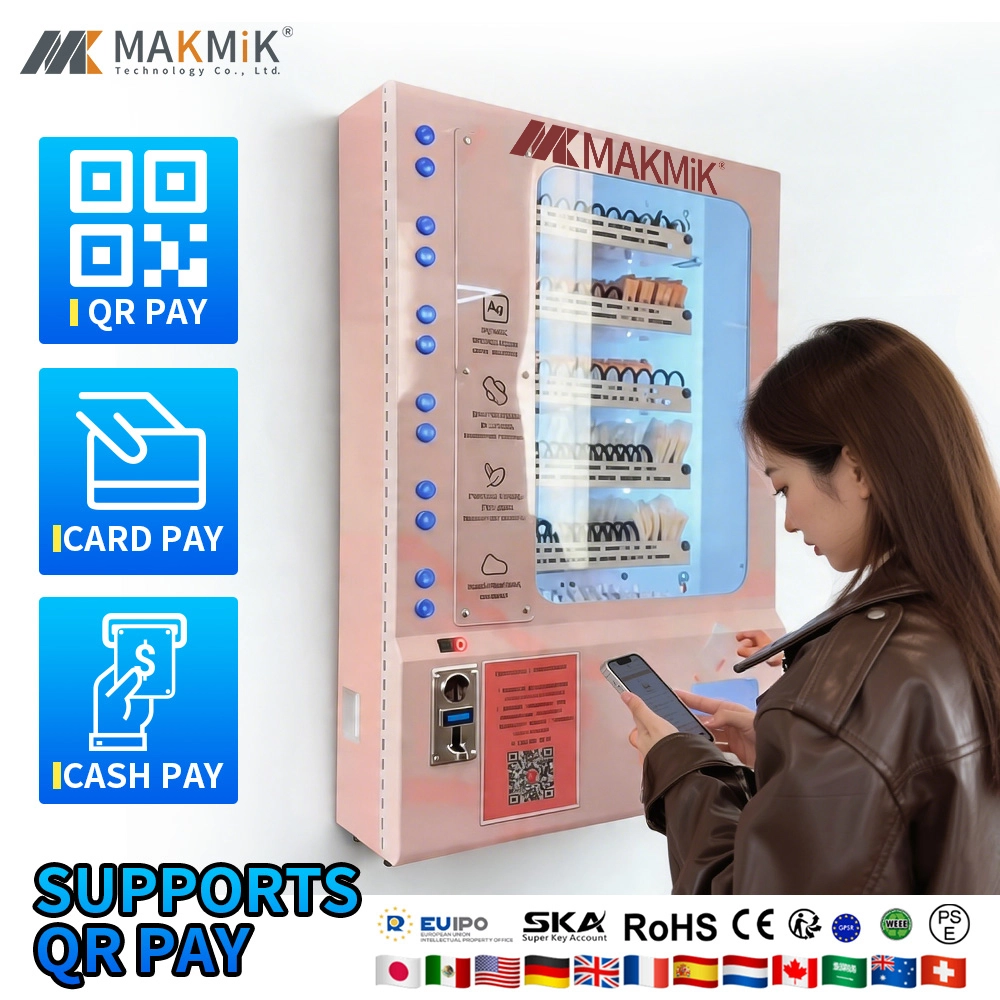
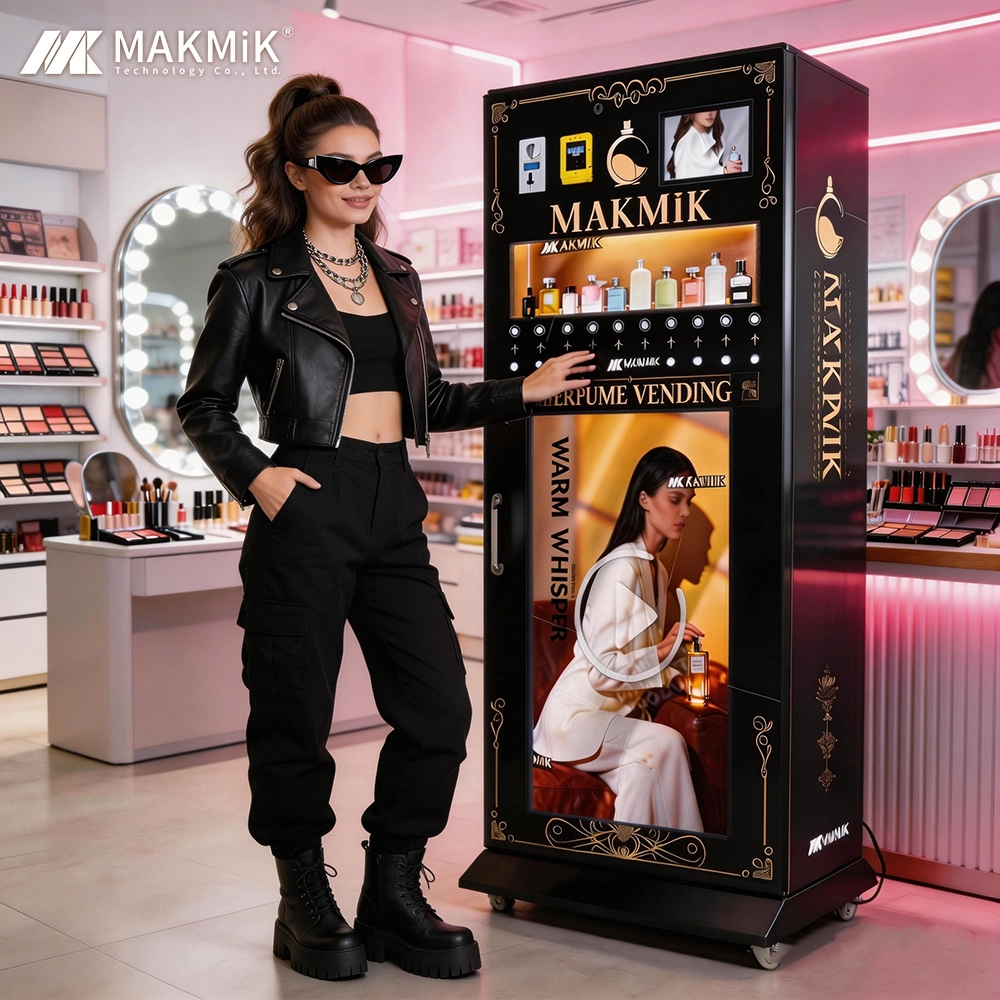
Also document product assortment approvals, fragrance brand permissions, advertising-screen content and updates, wraps, signage, customer-facing prices and promotional rights. A venue may approve a screenless wall-mounted dispenser but have different rules for a large standing kiosk with digital advertising.
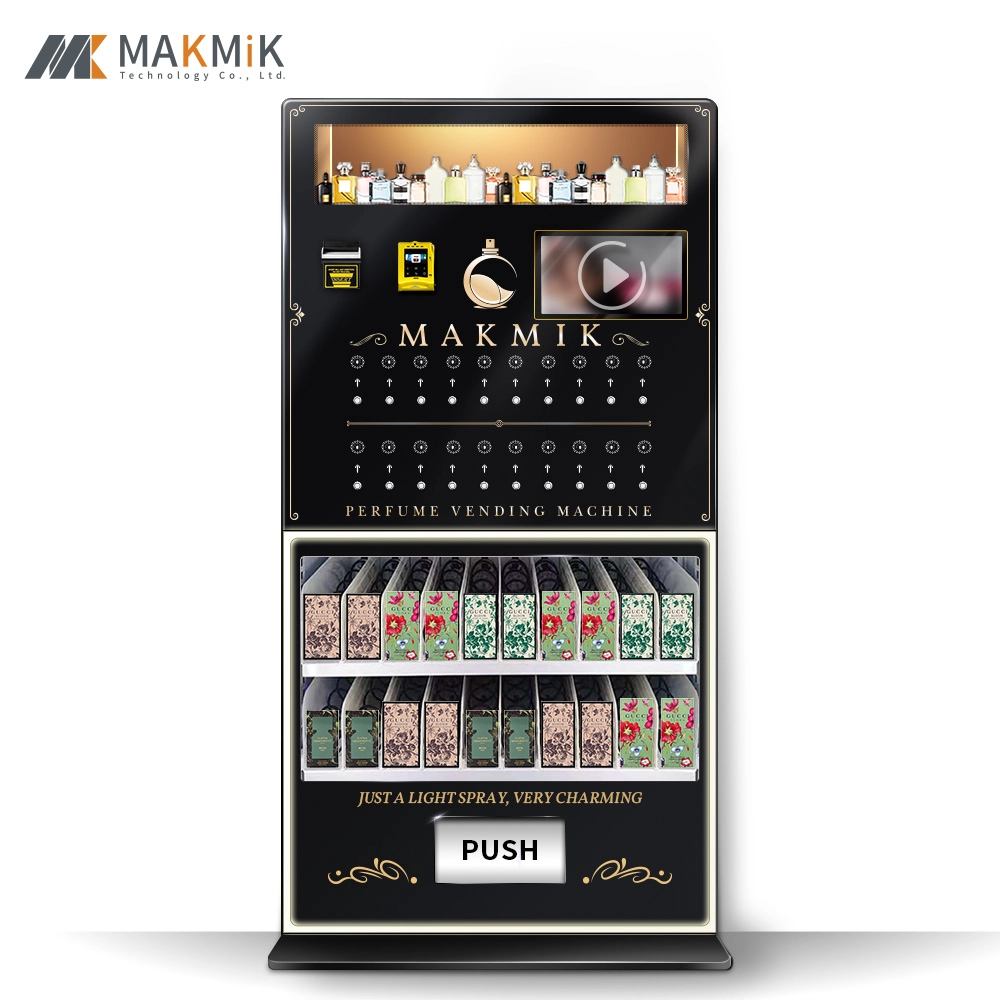
Choose a Machine Format That Meets the Site Agreement
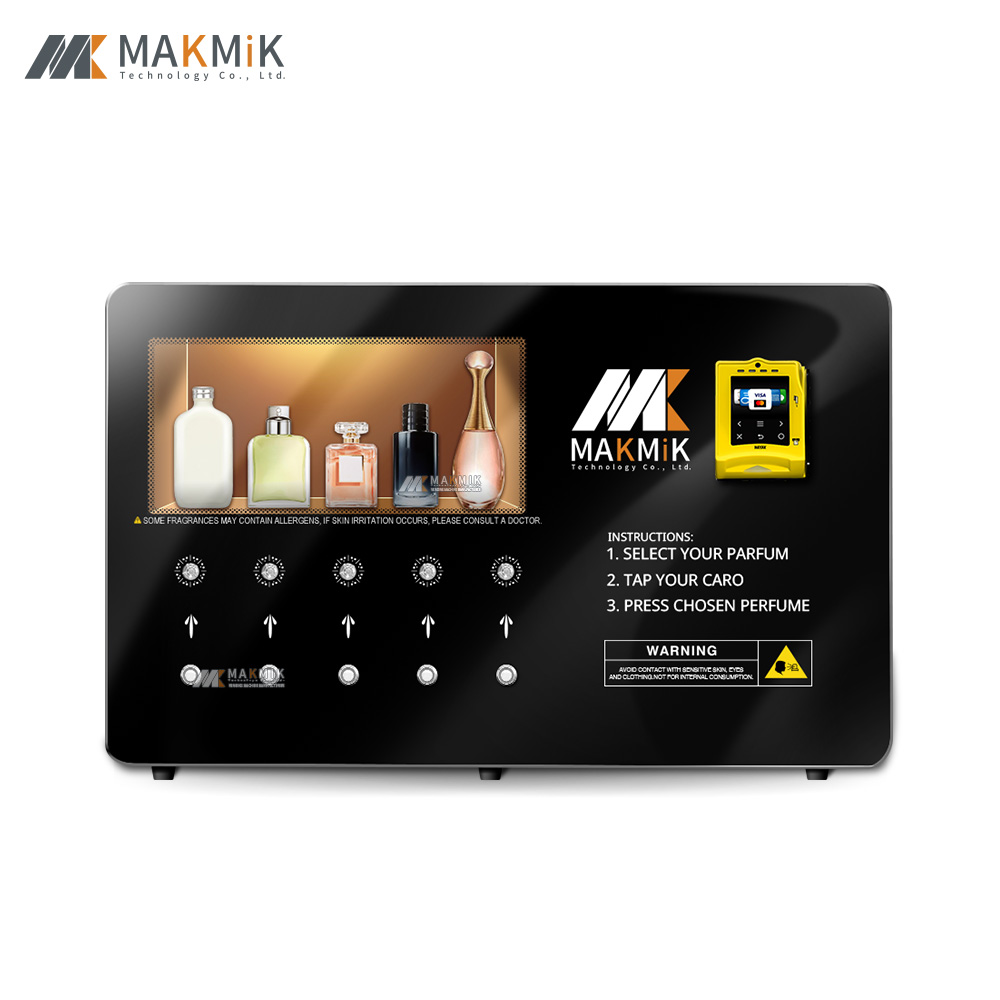
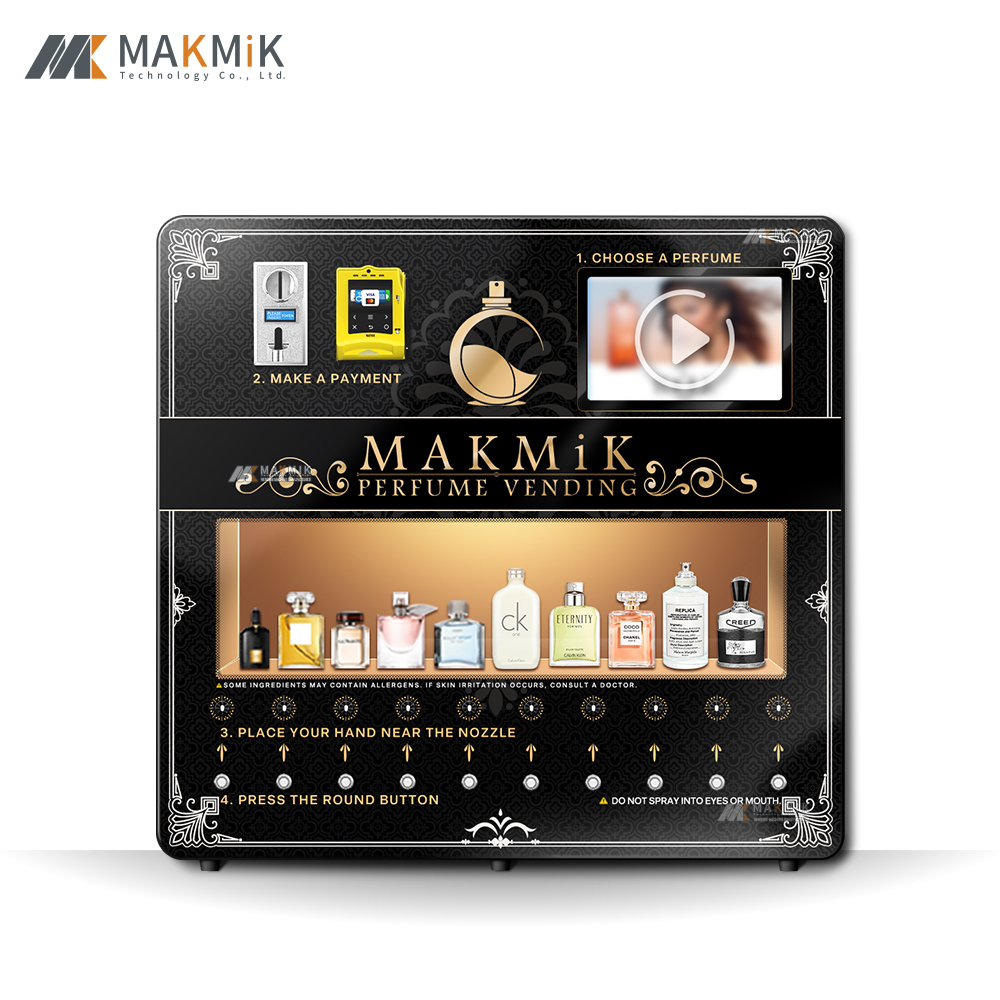
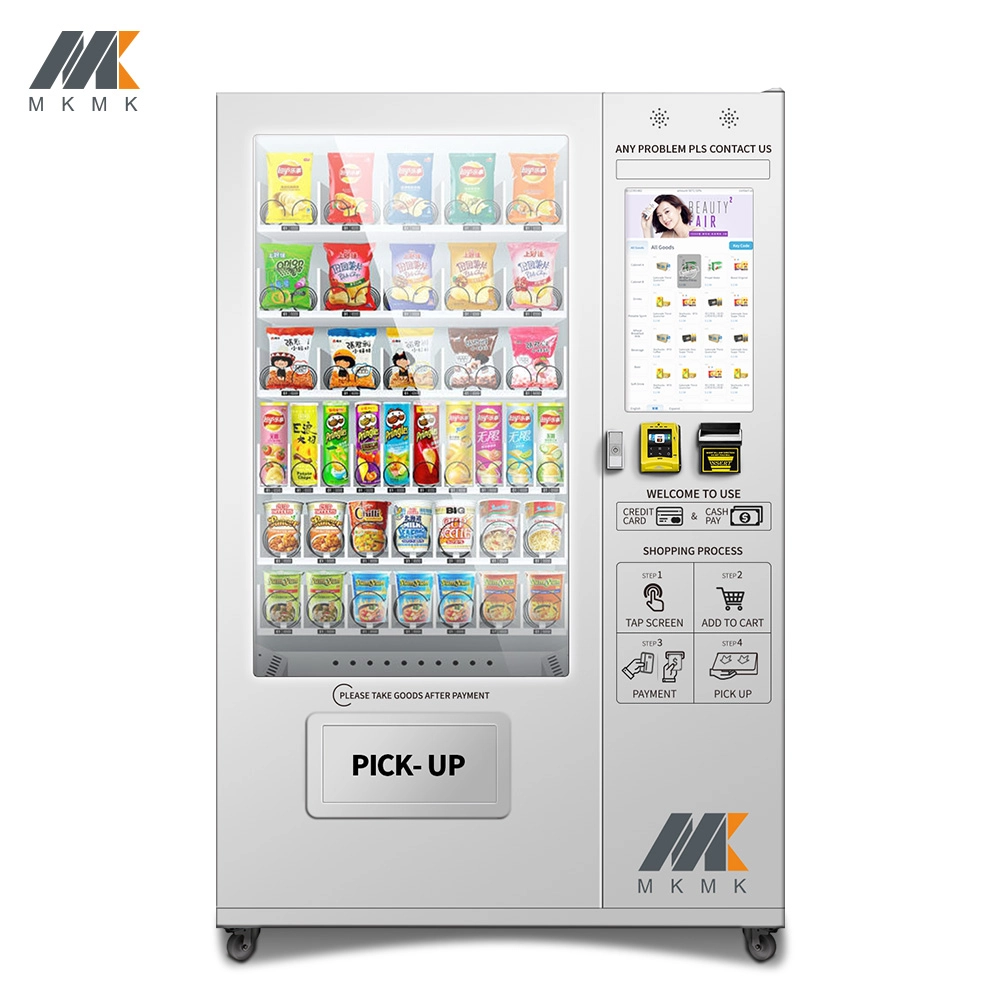
These are published MAKMIK product configurations; exact dimensions, electrical ratings, software capabilities, mounting hardware and local approvals must be checked for the specific order.
8. Set the Term, Review Points, Exit Rights, and Removal Process
Record the start date, initial term, renewal method, notice addresses, and any change in rent or commission on renewal. Some operators may prefer a pilot or performance review before a longer commitment. If the parties use sales-based performance thresholds, define the measurement method and whether outages or venue closures are excluded.
Define the process if the venue renovates, changes operator, closes, relocates the vending area, or restricts access. The agreement should address any early-exit rights, payment obligations, retrieval of equipment and fragrance stock, treatment of fixtures, final revenue reconciliation, and restoring the space to the agreed condition.
A site that performs poorly may be a reasonable candidate for relocation, but the operator should not assume a right to move or remove the machine without reviewing the signed agreement and applicable law.
9. Use a Written Location Agreement Checklist Before Signing
The table below is a negotiation aid for operators, venue managers, and procurement teams. It is not a substitute for a contract drafted or reviewed for the applicable jurisdiction.
| Agreement Item | Required Evidence / Decision | Responsible Party |
|---|---|---|
| Authority and placement | Authorized signatory; machine position and floor plan | Venue + operator |
| Commercial formula | Rent/share/hybrid; defined sales base, fees and escalation | Commercial teams |
| Sales and settlement | Payment owner, reporting period, refunds and due dates | Finance + payment provider |
| Utilities and access | Power/network allocation, loading, hours and emergency access | Venue + service team |
| Service and customer care | Cleaning, refill, repair, refund and escalation responsibilities | Operator + venue |
| Risk, permissions, insurance | Relevant approvals, coverage, damage and incident handling | Venue + insurer + legal advisor |
| Term, relocation and exit | Notice, review, removal, restoration and final settlement | Legal + commercial teams |
10. Red Flags to Resolve Before You Commit
- Only verbal approval, without a confirmed right to use the exact location.
- A commission percentage with no definition of sales, refunds, or reporting.
- Unclear access arrangements that make replenishment or repair unrealistic.
- Equipment ownership or early removal rights missing from the agreement.
- Unallocated costs for power, payment hardware, cleaning, repairs, or restoration.
- Rent increases, minimum guarantees, exclusivity, or penalties that cannot be assessed in the site budget.
Resolve material issues before equipment dispatch. The best location agreement balances a fair venue return with enough certainty for the operator to deliver a reliable fragrance vending service.
Important: This article is general commercial procurement information, not legal, insurance, tax, or regulatory advice. Contract enforceability and obligations depend on local law and the parties' circumstances; arrange qualified local review before signing.
Planning a Perfume Vending Placement?
Confirm the Machine Configuration Before You Sign
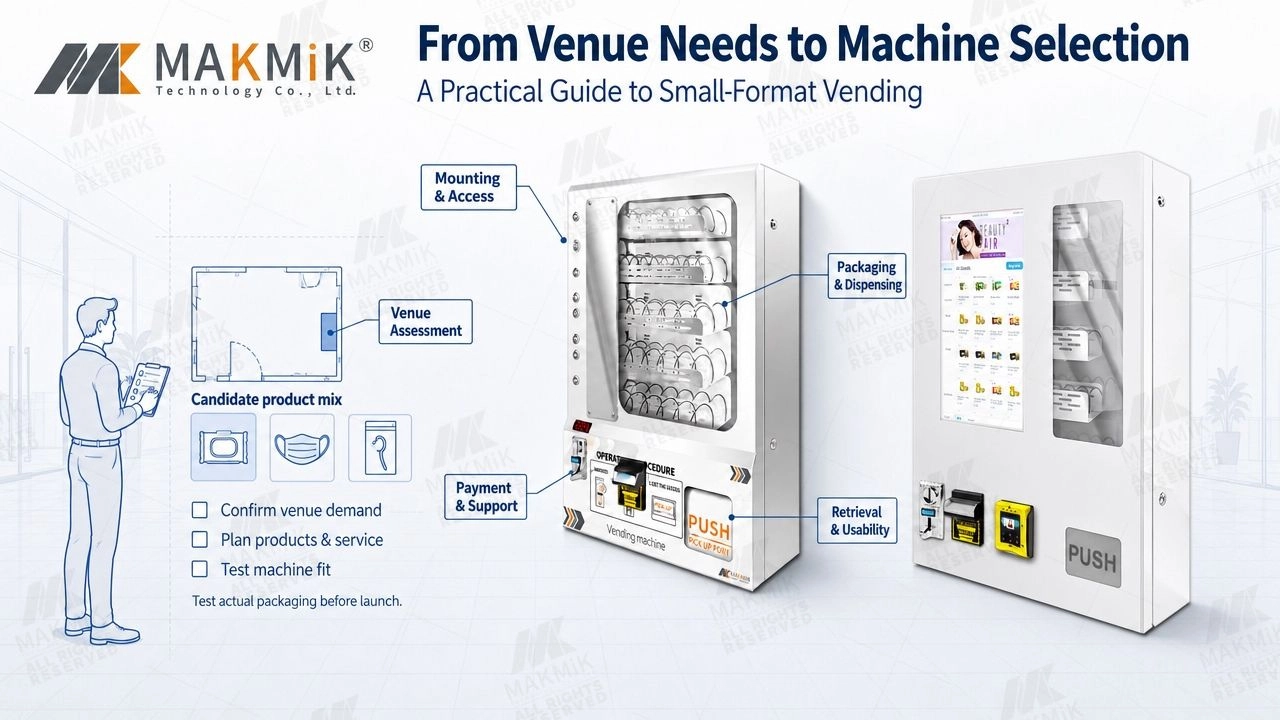
Share the site type, available space, expected service access, target market, proposed fee structure, and required vending configuration. MAKMIK can help you compare available equipment and prepare a relevant quotation.

Facebook
Linkedlin
YouTube
Instagram