






A perfume vending machine can be in a busy building and still underperform. The issue may be an unsuitable customer occasion, poor visibility, a payment fault, weak fragrance selection, high venue charges, or a machine that technicians cannot reach efficiently. Buying a replacement unit or changing addresses before diagnosing the cause can repeat the same mistake.
This guide helps operators decide when to improve an existing site, renegotiate the commercial terms or relocate the machine. The goal is to compare measurable site economics with the full cost and disruption of moving, rather than assuming that more foot traffic automatically creates more profit.
Quick Answer
Do not move simply because sales are low. First rule out technical faults, calculate site contribution, test permitted improvements and compare that evidence with the cost and contract requirements of relocation.
KEY TAKEAWAYS
- Compare settled transactions, attributable operating costs, downtime and refill burden—not a headline sales number.
- Separate fixable merchandising or equipment issues from fundamental venue mismatch.
- Include removal, freight, reinstallation, new-venue commitments and lost trading time in the relocation budget.
- Check written placement agreements and confirm the replacement site before equipment is removed.
1. Define Underperformance Before You Decide to Move
“Underperforming” should mean failing a documented commercial or operational objective, not simply generating fewer transactions than expected. Record what the business needed from that venue: contribution margin, acceptable staff time, reliability or strategic brand exposure. A site with modest sales might still be viable if the venue fee and service route are economical.
Use comparable periods that include the relevant weekday and weekend pattern. If the unit went offline for several days, or if a venue closed for renovations, adjust the interpretation of the numbers. A location-level scorecard should distinguish unavailable operating time from time when customers could actually transact.
| KPI | Calculation or Record | Decision Signal |
|---|---|---|
| Settled revenue | Confirmed payment settlements by site and period | Actual sales rather than attempted transactions |
| Site contribution | Settled revenue minus attributable fragrance, payment, venue and servicing costs | Whether site operation covers its recurring direct expenses |
| Availability | Usable operating hours divided by planned operating hours | Machine/service issues that depress demand |
| Refill cost and visits | Route labor, travel expenses, stockout and return trips | Service burden relative to usage |
| Incidents and refunds | Failed dispensing, customer complaints and payment disputes | Experience or technical factors to investigate |
There is no single universal revenue or ROI threshold for a perfume vending machine. Set your own threshold using cash needs, lease obligations and realistic alternative opportunities. Where costs are unclear, use the perfume vending investment ROI calculation framework to structure the analysis without promising a return.
2. Diagnose What Can Be Improved Without Relocation
Before moving a functioning machine, examine fixable causes. Confirm that customer payments can be completed, that the nozzle/product mappings are correct, that the fragrance containers have usable stock and that the interface and signage reflect the products being sold. A technical problem can masquerade as a weak location.
Within the venue's permission and local requirements, test the visibility of the machine, nearby customer movement, product descriptions, customer instructions and assortment. A temporary promotion or authorized in-venue adjustment can provide useful evidence, but record the change and period clearly so it does not distort the comparison.
| Observed Problem | First Investigation | Possible Next Action |
|---|---|---|
| Low transactions despite busy venue | Customer relevance, location visibility, price and payment completion | Small approved merchandising or positioning test |
| Strong sales but weak contribution | Venue share, refill labor, payment fees and inventory usage | Renegotiate terms or change service approach |
| Frequent unavailable periods | Power, connectivity, dispensing and support records | Fix technical faults before measuring site potential |
| Stockouts and repeated visits | Fragrance consumption and refill route access | Revise stock buffer and service schedule |
Avoid promising that a particular scent profile or promotion will improve sales. Choose experiments suited to the actual venue, and record the outcome. If the location remains unsuitable despite credible tests, relocation becomes a stronger option.
3. Compare the Economics of Staying Against Relocation
Relocation may improve sales potential but requires upfront cash and downtime. Compare the current site's expected monthly contribution with the realistic, evidence-based contribution of the new venue. Consider different customer profiles, rent structures, staffing and travel times rather than copying the first site's assumptions.
Suppose the current site contributes $80/month after direct operating costs. A prospective site is forecast to contribute $180/month, subject to real demand validation. The hypothetical relocation cost is $500.
Incremental contribution: $180 − $80 = $100/month. Simple recovery of moving cost: $500 ÷ $100 = 5 months.
These figures are purely illustrative, not MAKMIK results or a forecast. The calculation ignores financing, taxes, risk and future demand changes and is not a guarantee of payback.
Budget the actual cost of exit and reinstatement, technicians, protective packaging, transport, storage, installation, power and networking work, payment setup and testing, plus the revenue forgone during downtime. For a high-fee venue, negotiating a revised rent or revenue share may be cheaper than moving.
4. Check the Placement Agreement Before Taking Equipment Out
Site access and termination rights are commercial constraints, not minor administration. Review who owns the machine, which party can authorize relocation, the termination notice period, minimum agreement term, deposits, outstanding commissions, responsibility for restoring walls or flooring, and how equipment retrieval is handled during a dispute or venue closure.
A completed relocation decision must include the written obligations in the perfume vending machine location agreement checklist. Obtain qualified local legal advice if contract enforceability or insurance is in question. Do not assume an operator may remove or transfer equipment simply because it belongs to them.
5. Survey the Replacement Venue Before Signing a New Deal
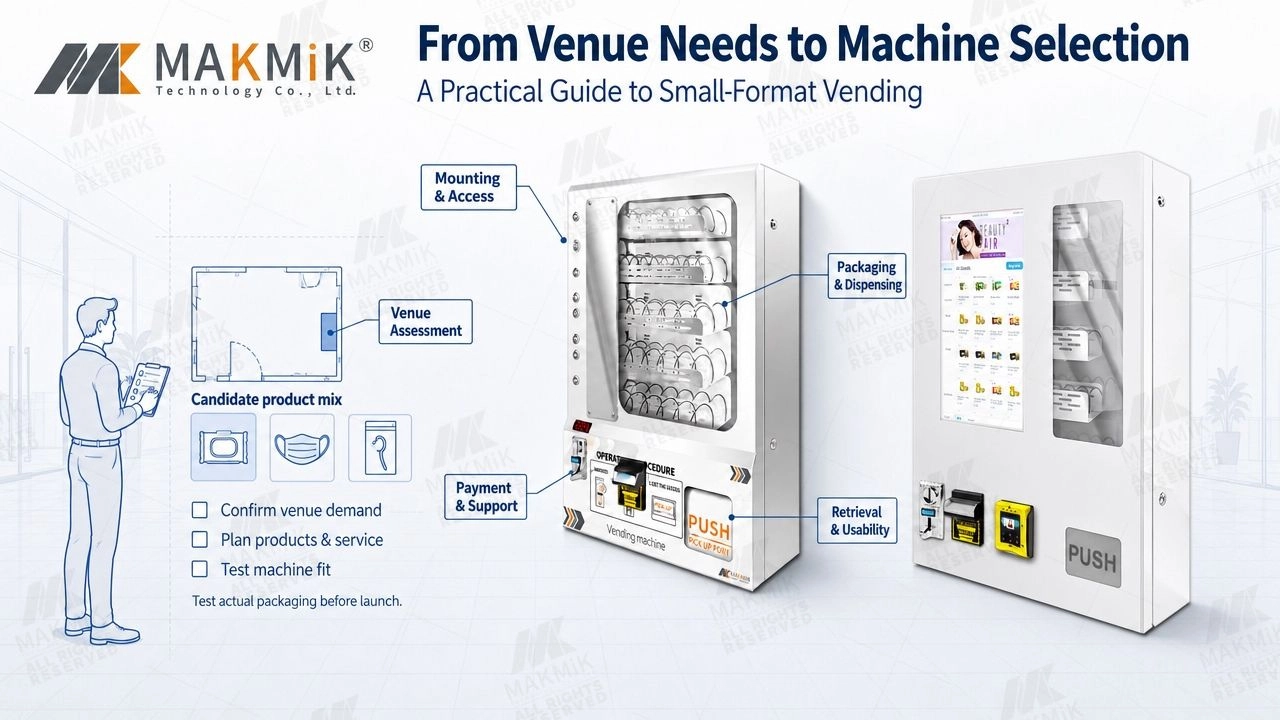
A new venue can appear more attractive while adding hidden costs. Confirm its actual proposed placement, electrical supply, customer access, load-in route, floor or wall suitability, operating hours, staffing requirements, venue approvals and any fragrance-specific restrictions. A different machine layout may be needed where pedestrian flow or wall construction changes.
Document the new location using the pre-installation perfume vending machine site survey and compare that information with the equipment to be moved. If the existing configuration is unsuitable, the financial analysis should include approved replacement or modification costs rather than pretending they are free.
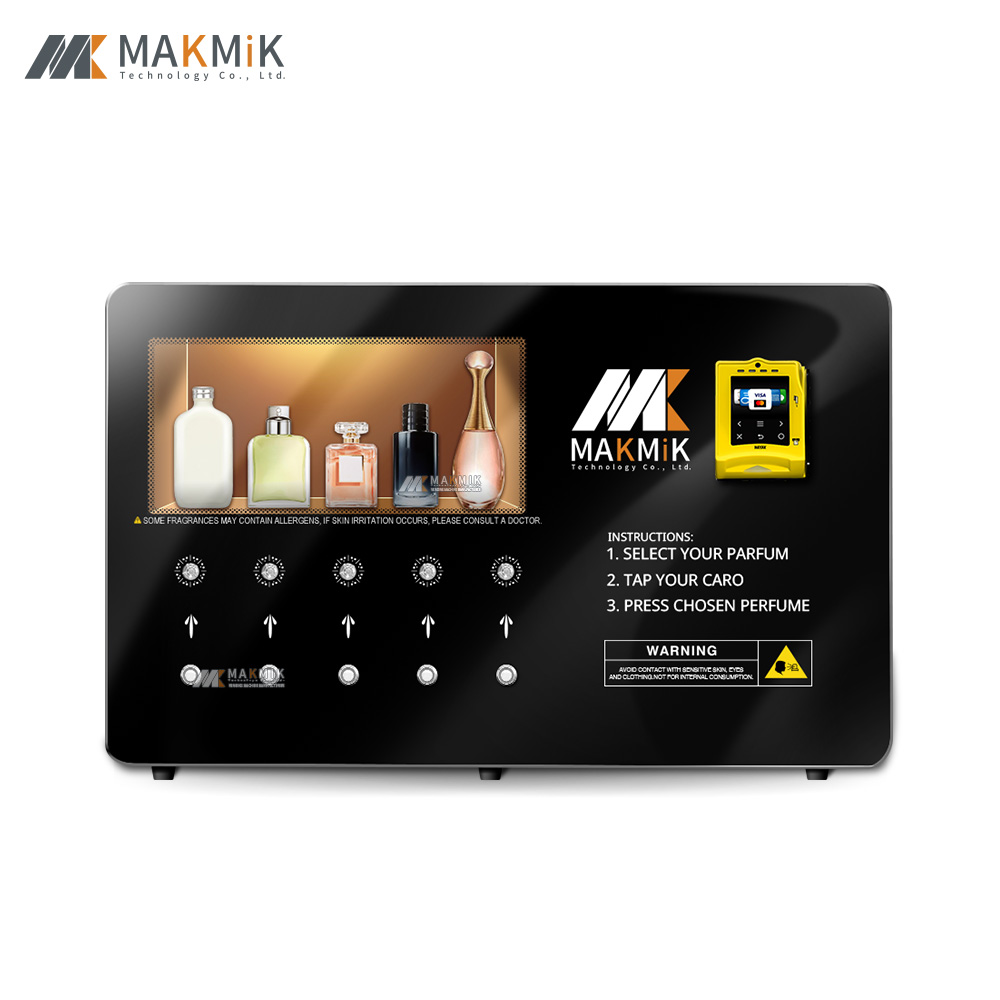
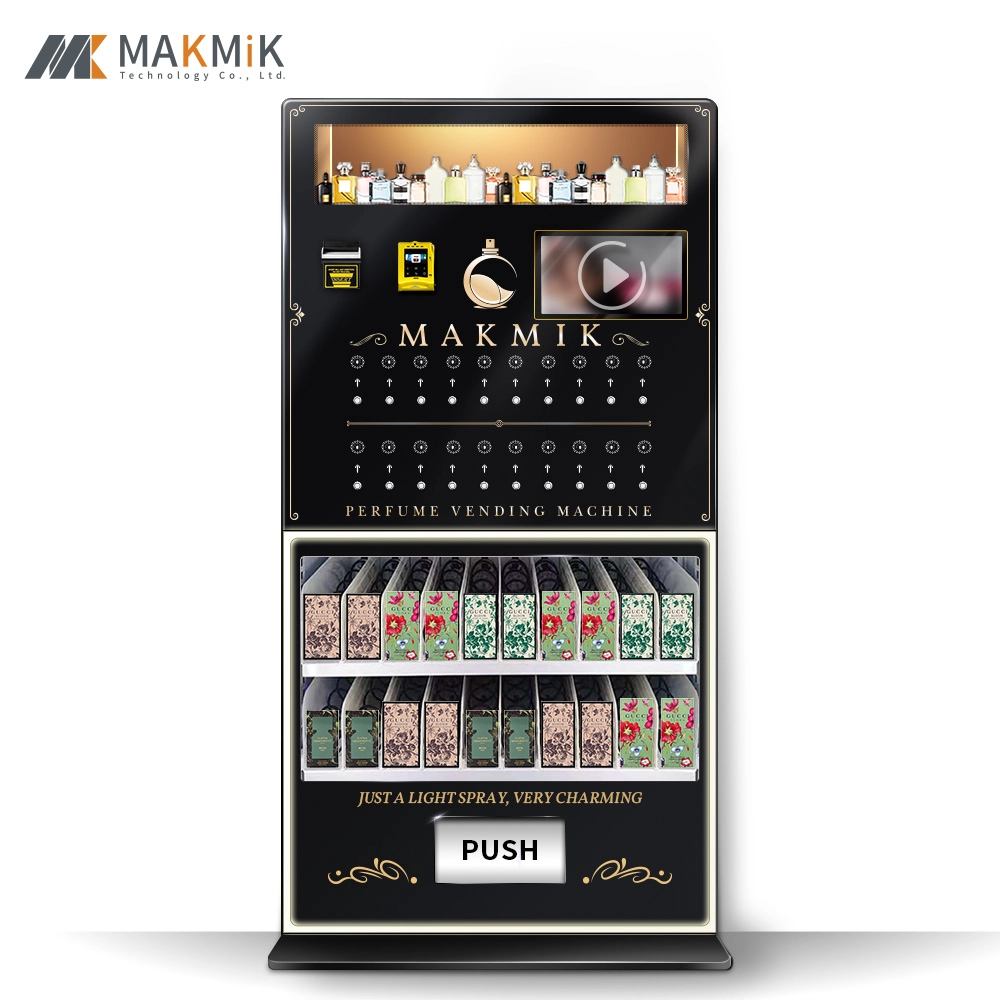
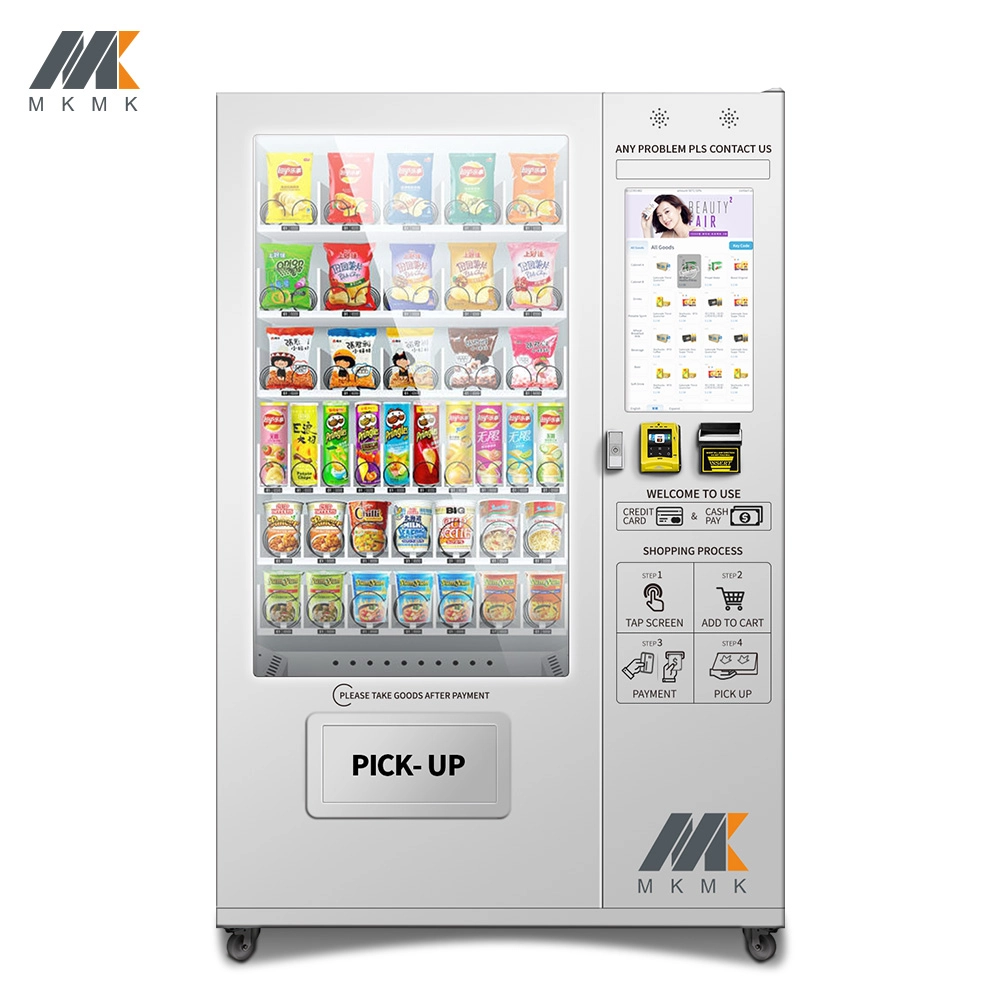
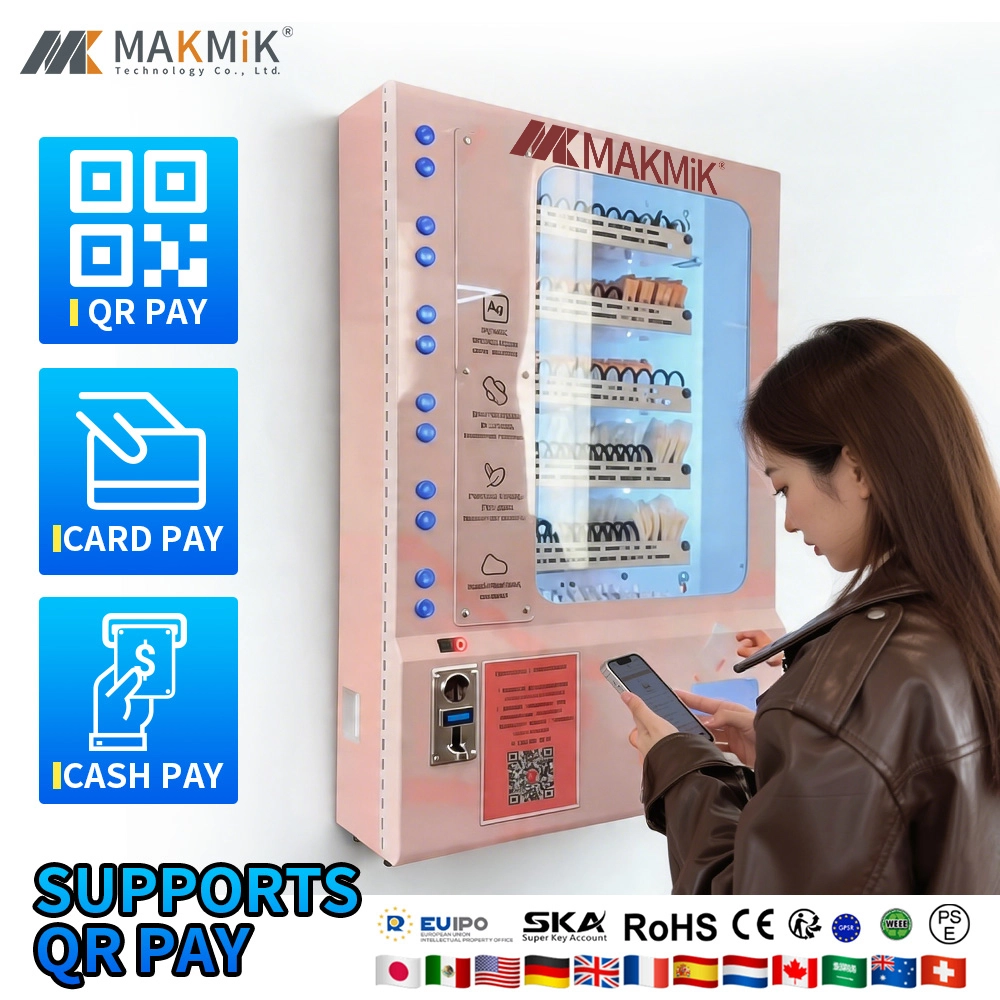
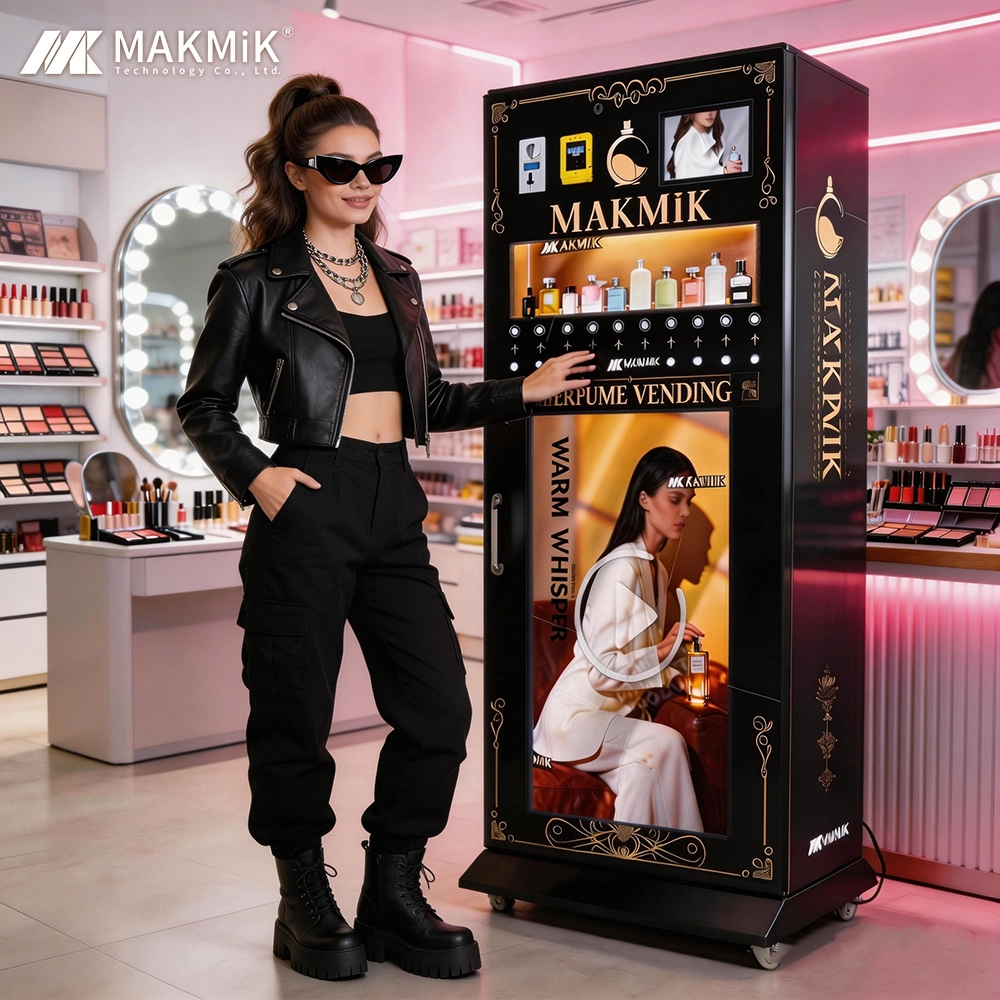
Compare Actual MAKMIK Machine Formats
The following published equipment formats illustrate possible placement differences. They are not a claim that their hardware is interchangeable or that any option fits every venue. Check exact revisions, mounting, power, payment and service access with the supplier.


6. Use a Controlled Relocation and Recommissioning Plan
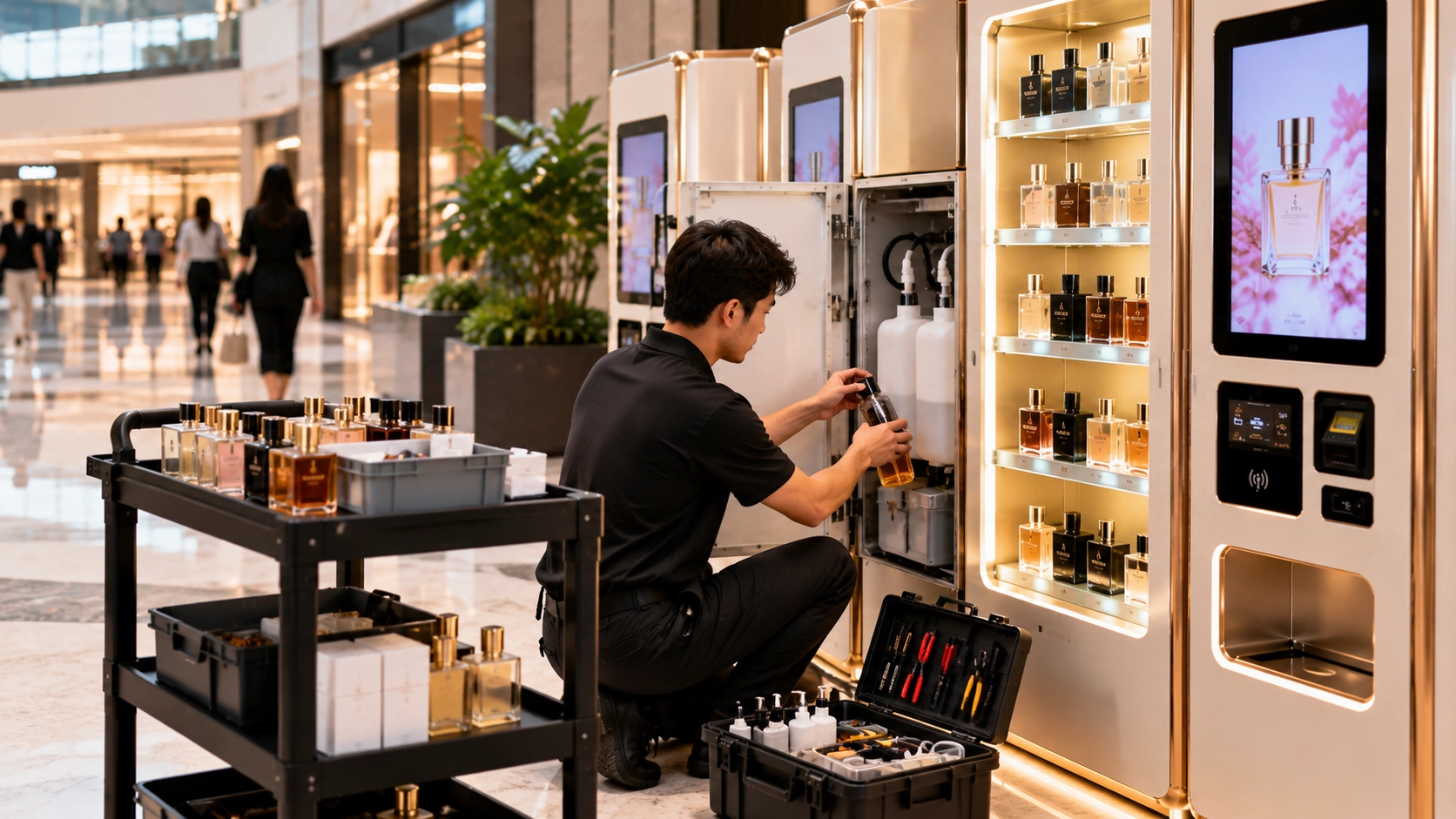
Agree on the removal date and access with the old venue, settle outstanding commercial obligations and record equipment condition. Protect fragrance-contact components and handle consumables according to supplier instructions and applicable transport or storage requirements. Qualified technicians should perform any approved disconnection and reinstallation work.
- Before move: sign necessary approvals, capture inventory and settings, assign responsible teams.
- At removal: document condition, hardware, fragrances and restoration obligations.
- In transit: protect sensitive components and secure the handling method for the exact configuration.
- At arrival: verify site permissions, safe installation, payment configuration, connectivity and customer accessibility.
- Before opening: complete dispensing, transaction and fault-response checks under the approved procedure.
Photograph and date the commissioning record. If the machine fails at the new location, a completed checklist helps distinguish relocation damage or setup problems from actual consumer demand.
7. Review the New Site with a Defined Test Window
Establish a baseline before relocation and a comparable test window after the machine is operational at the new venue. A 30-, 60- or 90-day review cadence can be a management choice, not a guarantee that a full seasonal sales pattern will be visible by then. Record normal opening days, outages, venue events and product changes.
| Review Stage | Questions to Answer | Possible Decision |
|---|---|---|
| Commissioning | Does the machine operate and transact as specified? | Fix installation/payment issues |
| Early operations | Are real customers using the machine? Are refills manageable? | Adjust approved merchandising or stock |
| Business review | What are settled sales, site contribution and service cost? | Retain, renegotiate, test further or consider another site |
A well-documented decision at one machine can guide the whole portfolio. The one-to-twenty perfume vending business scaling guide explains how to apply those lessons to new venues without repeating a poor operating model.
8. Site Performance and Relocation Decision Checklist
- Performance issues documented across comparable operating periods
- Payment, dispensing, stock availability and visibility problems investigated
- Present site's true contribution and contractual commitments calculated
- New location inspected and technically approved
- Move, new installation, downtime and restoration costs budgeted
- Exit rights, notices, insurance and financial settlement confirmed
- Recommissioning, product mapping, support and review owner assigned
A relocation should be an investment decision supported by operating evidence. Test what can be fixed, compare commercial commitments, approve the new site, and measure the post-move results before expanding further.
Compare Your Equipment Options
Check Machine Fit Before You Relocate or Expand
Share your proposed venue, current configuration and service requirements to discuss appropriate MAKMIK model options and a project-specific quotation.

Facebook
Linkedlin
YouTube
Instagram