






Growing a perfume vending machine business from one location to 20 is not simply a larger equipment order. It is the shift from personally managing a single unit to running a repeatable network of venues, payment systems, fragrance inventory, maintenance and cash flows.
For operators and distributors considering their next purchase, the most important question is not how quickly can we install 20 units? It is what has to be true before each additional unit is worth deploying? This guide explains how to answer that with evidence from real operating sites, rather than promises about sales or payback.
Quick Answer
Prove the first machine, calculate contribution per location, standardize your equipment and service workflow, then expand in small batches only when the next sites and operating budget are ready.
Key Takeaways
- A busy venue is not automatically a profitable one; compare settled sales with product, venue and servicing costs.
- Use 1 → 3 → 5 → 10 → 20 as planning checkpoints, not a guaranteed growth schedule.
- Standardize supplier specifications, payment reconciliation, refill records and service procedures, even when machine formats differ.
- Keep capital for fragrance stock, venue commitments, maintenance and payment settlement gaps—not only the equipment invoice.
1. Start by Proving That One Machine Works as a Business
Your first machine is a pilot site. It should teach you whether the venue attracts relevant customers, whether they complete payments, which fragrances sell, how often you refill, and how much staff time it takes to keep the unit available.
Collect a meaningful period of comparable records, including normal weekdays, weekends and the venue's relevant trading conditions. Avoid treating opening-week curiosity or a single strong event as a normal monthly average.
- Reliable payment acceptance and transaction reconciliation
- Documented refill effort, stock usage and service access
- Signed venue terms and all required permissions
- Known monthly operating costs and an affordable support plan
- A plausible reason why the next venue should perform, supported by site evidence
A useful first test is to ask whether another team member could operate the unit using your written instructions. If the first site depends entirely on what one owner remembers, scaling will multiply the operational gaps.
2. Expand in Stages Instead of Ordering 20 Units at Once
A phased rollout allows an operator to test different locations, learn route costs and discover service constraints before committing more capital. The stages below are planning examples; your actual batch sizes should follow cash availability, site readiness and supplier lead times.
| Stage | Primary Goal | Evidence to Advance |
|---|---|---|
| 1 machine | Validate one site | Actual revenue, refill workload, venue costs, uptime |
| 2–3 machines | Test repeatability | A second viable venue and transferable operating process |
| 4–5 machines | Build the first service route | Measured travel, refill time and incident response |
| 6–10 machines | Standardize the network | Common service records, spare-part strategy and reconciliation |
| 11–20 machines | Manage by territory and site economics | Reliable site scorecards, cash reserves and supplier capacity |
If locations underperform or unresolved failures repeat across units, expansion can be paused. Redeploying or improving existing machines may be a better capital decision than adding new ones.
3. Calculate Unit Economics Before Committing Capital
An equipment price is only one part of the investment. For each venue, record machine and delivery costs, installation, initial fragrance inventory, rent or revenue share, payment processing, consumables, servicing, connectivity, taxes and any applicable financing commitments.
Monthly Site Contribution Formula
Settled sales revenue − fragrance and consumables − payment fees − venue fees − refill and maintenance costs − software/connectivity − other site operating costs = monthly site contribution.
This operating measure is before shared overhead, financing, taxes and equipment investment unless those are explicitly included. It is not net profit or ROI.
Illustrative Example: One Hypothetical Location
The following numbers are illustrative assumptions, not MAKMIK sales data or an earnings forecast. They show how an operator might calculate operating contribution using their own verified figures.
| Monthly Example Input | Hypothetical Amount |
|---|---|
| 200 paid transactions × $4 average price | $800 revenue |
| Fragrance and consumables | −$180 |
| Payment processing | −$28 |
| Venue fee | −$160 |
| Refill travel and service labor | −$120 |
| Software and connectivity | −$25 |
| Other site operating costs | −$30 |
| Illustrative monthly site contribution | $257 |
If transactions fall, a venue fee increases or a technician must make extra trips, that contribution can shrink or become negative. Model low, base and high cases before committing to multiple locations. The perfume vending machine ROI calculation framework provides further context for evaluating cost assumptions and investment recovery.
Working capital matters: machines, inventory and delivery may need to be paid before sufficient revenue is collected. A cash forecast should separately include deposits, import duties where applicable, inventory replenishment, payment settlement delays, credit terms, debt payments and a contingency reserve. Do not multiply one site's contribution by 20 without accounting for different locations and shared fleet expenses.
4. Select Sites Using Evidence, Not Foot Traffic Alone
A high-traffic location can perform poorly if people do not want fragrance at that moment, payment is inconvenient, the venue terms are unfavorable or servicing is difficult. Evaluate the customer context, visibility, access and expected usage together with operating costs.
Each site should have a documented installation review covering machine dimensions, delivery route, wall or floor conditions, electrical supply, connectivity, customer circulation, maintenance access and local permissions. The perfume vending machine installation site survey can help make approval consistent across venues.
- Commercial: relevant customer demand, expected sales conditions and realistic venue terms
- Technical: physical fit, power, connectivity, safe access and approvals
- Operational: refill access, travel cost, spare parts and staff coverage
- Financial: site contribution, up-front cost, cash risk and alternative locations
5. Standardize Purchasing Without Forcing Every Venue into One Model
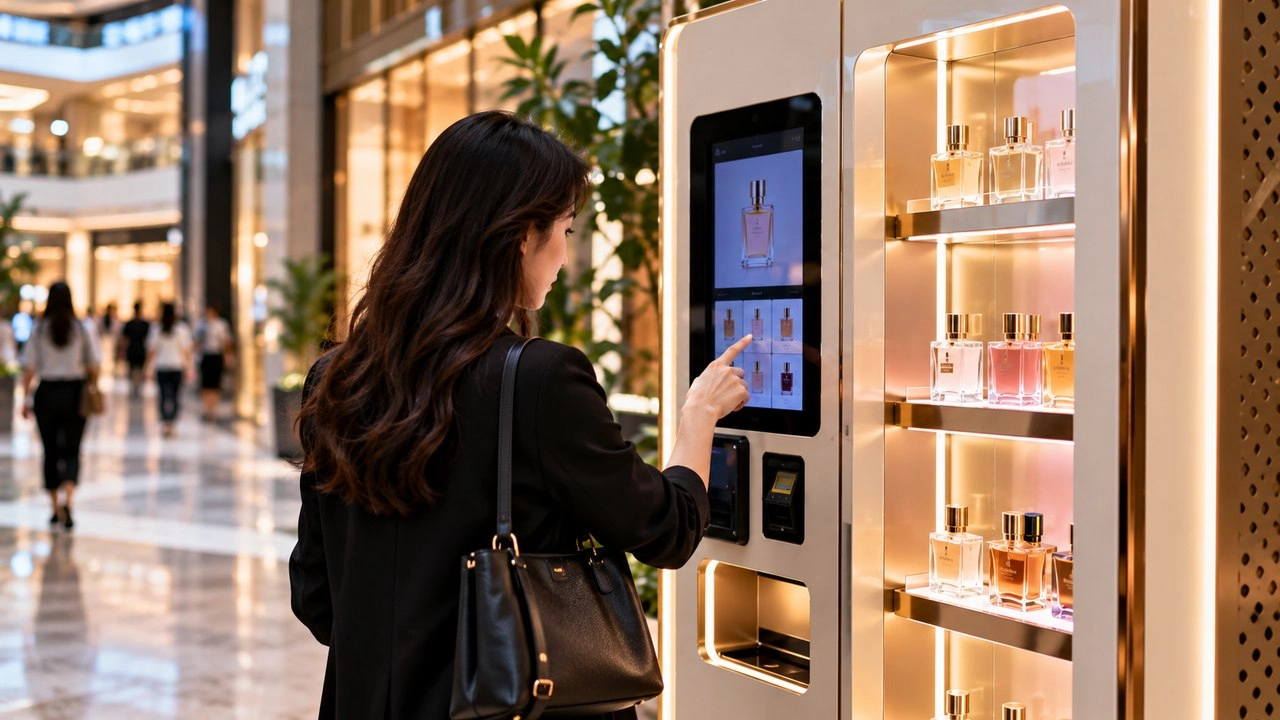
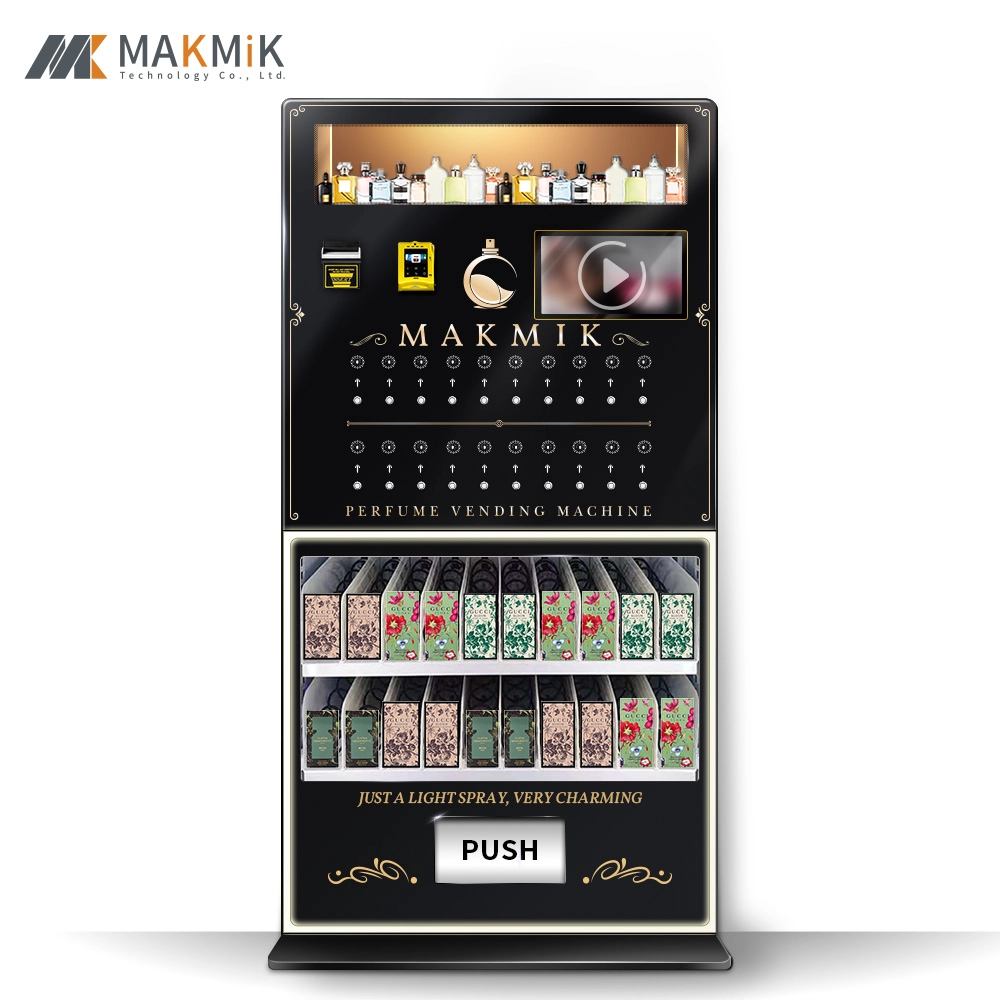
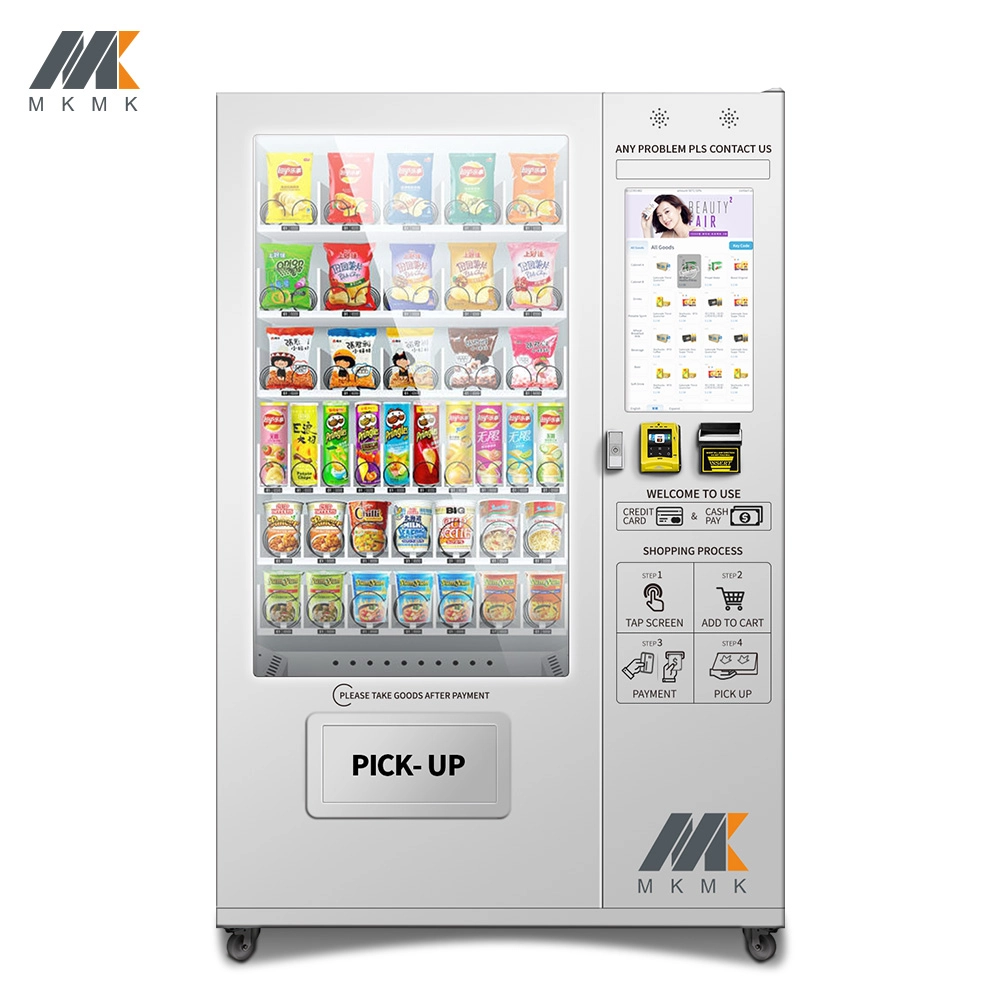
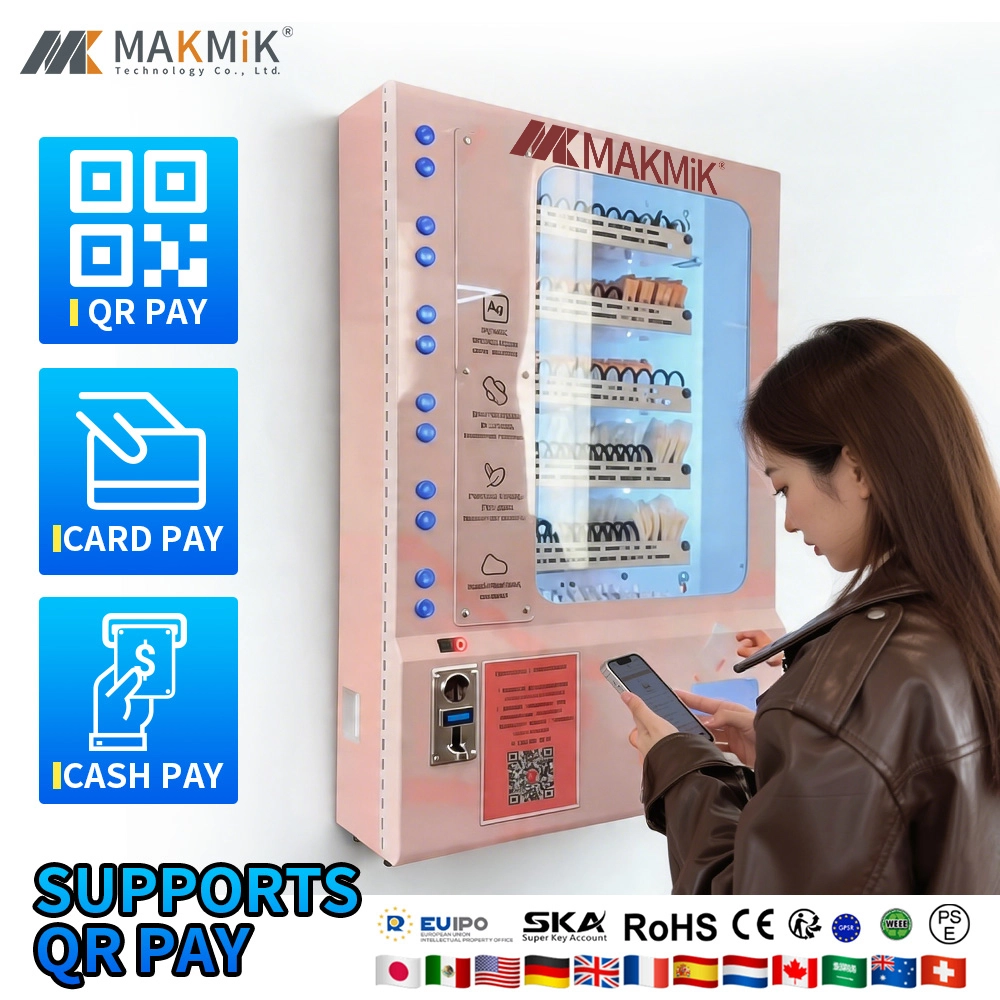
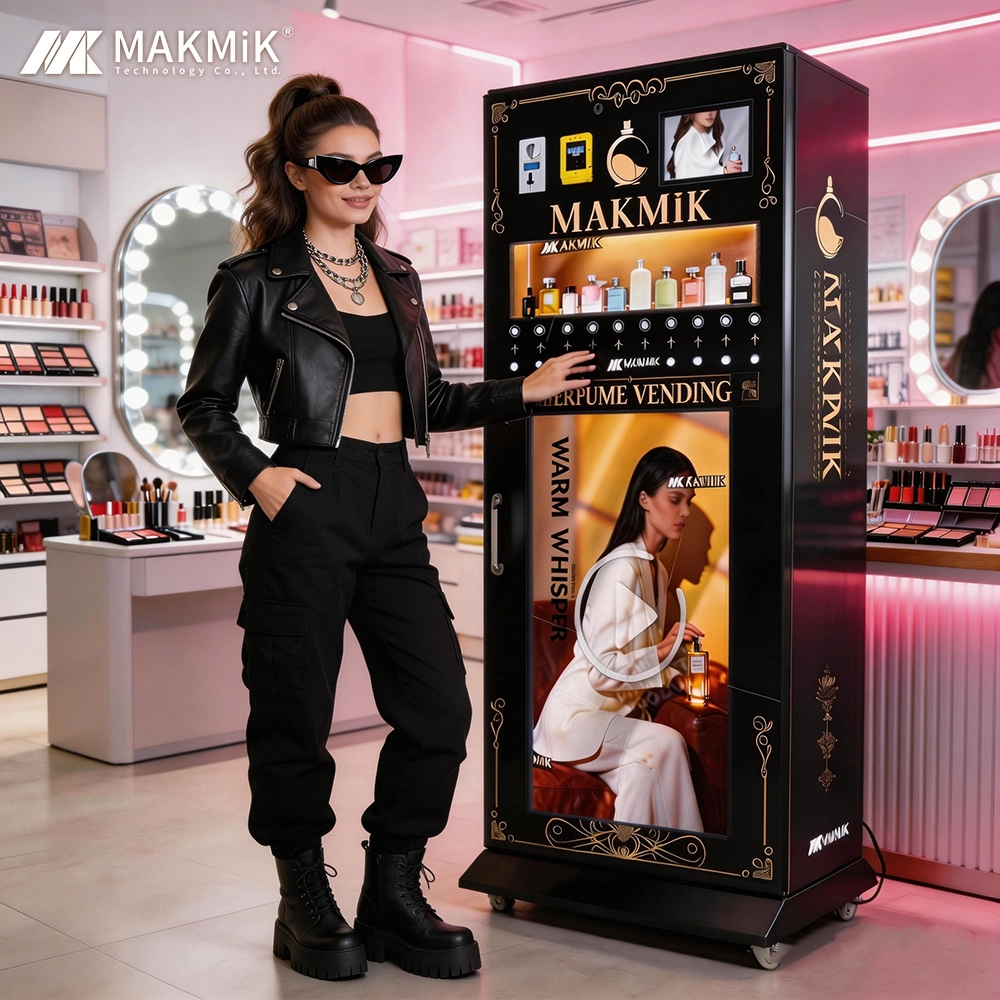
Different sites may need different hardware. Wall-mounted machines may suit one venue, while a standing kiosk offers a better physical layout at another. Standardization means controlling what matters operationally—confirmed specifications, fragrance channel records, compatible spares, payment setup and service procedures—not insisting every order must look identical.
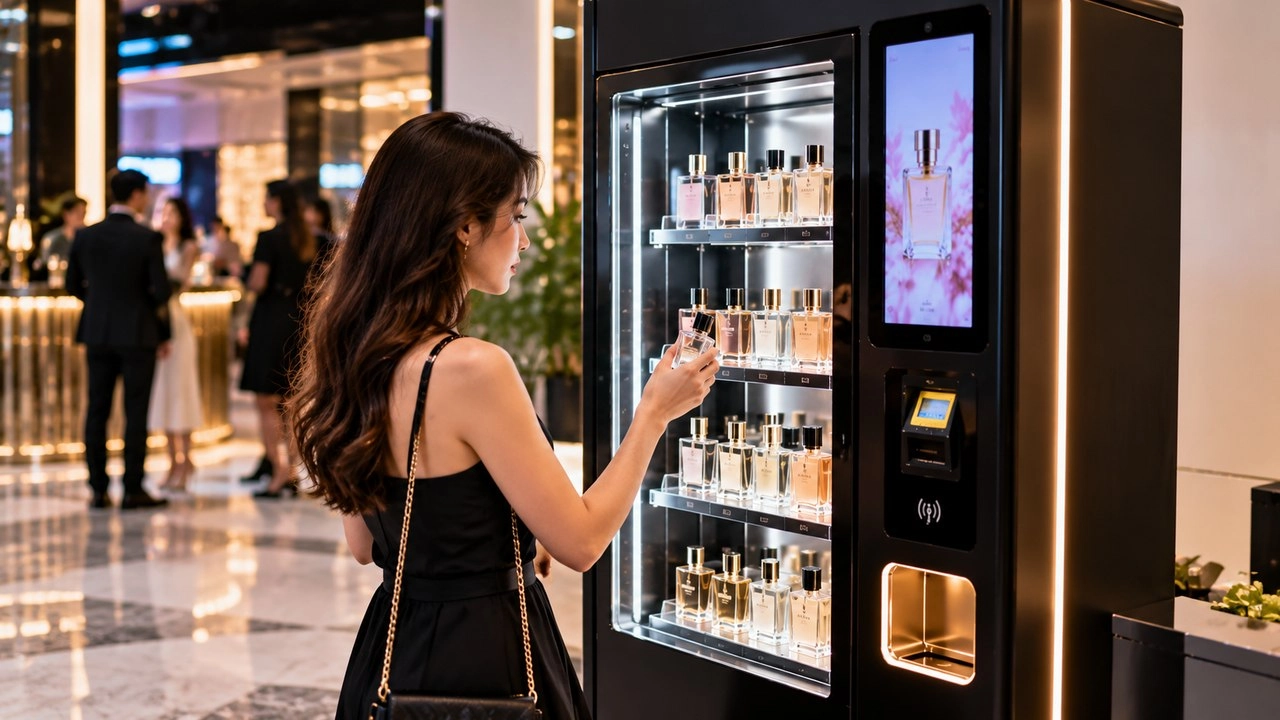
Three Published MAKMIK Formats to Compare
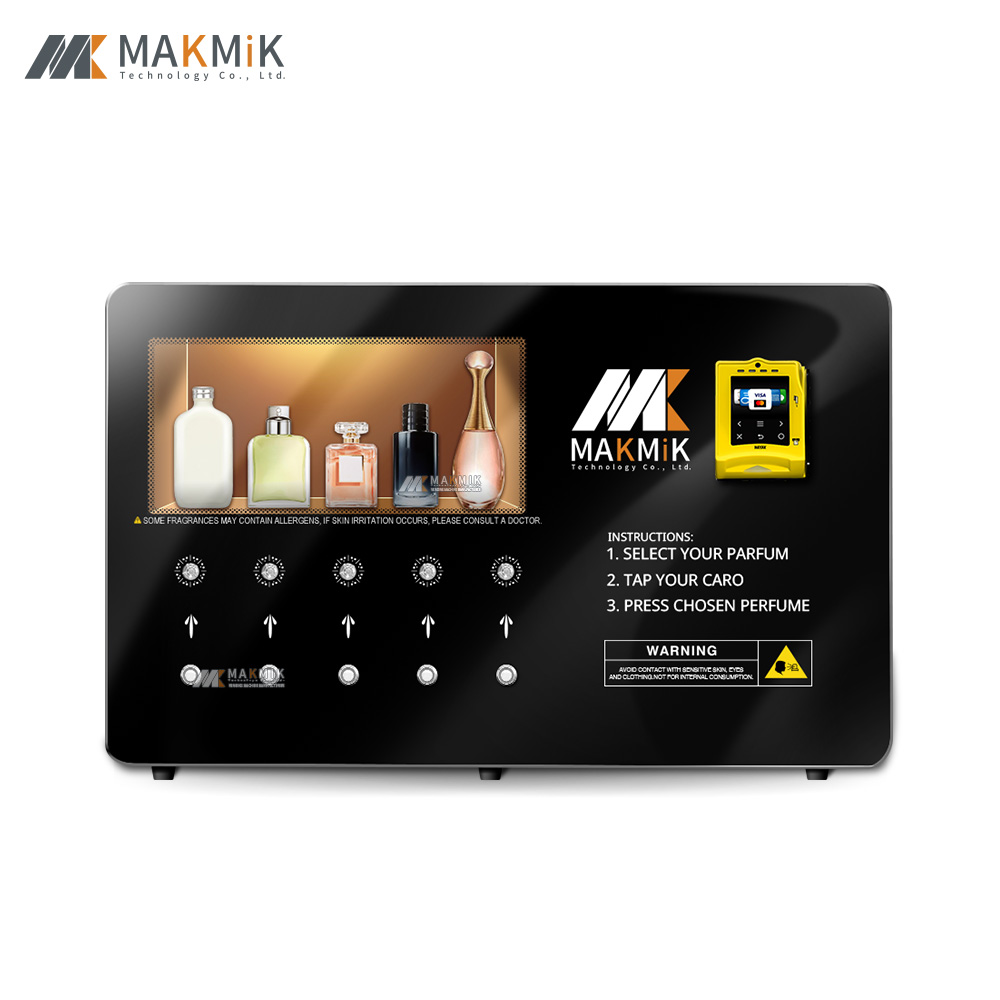
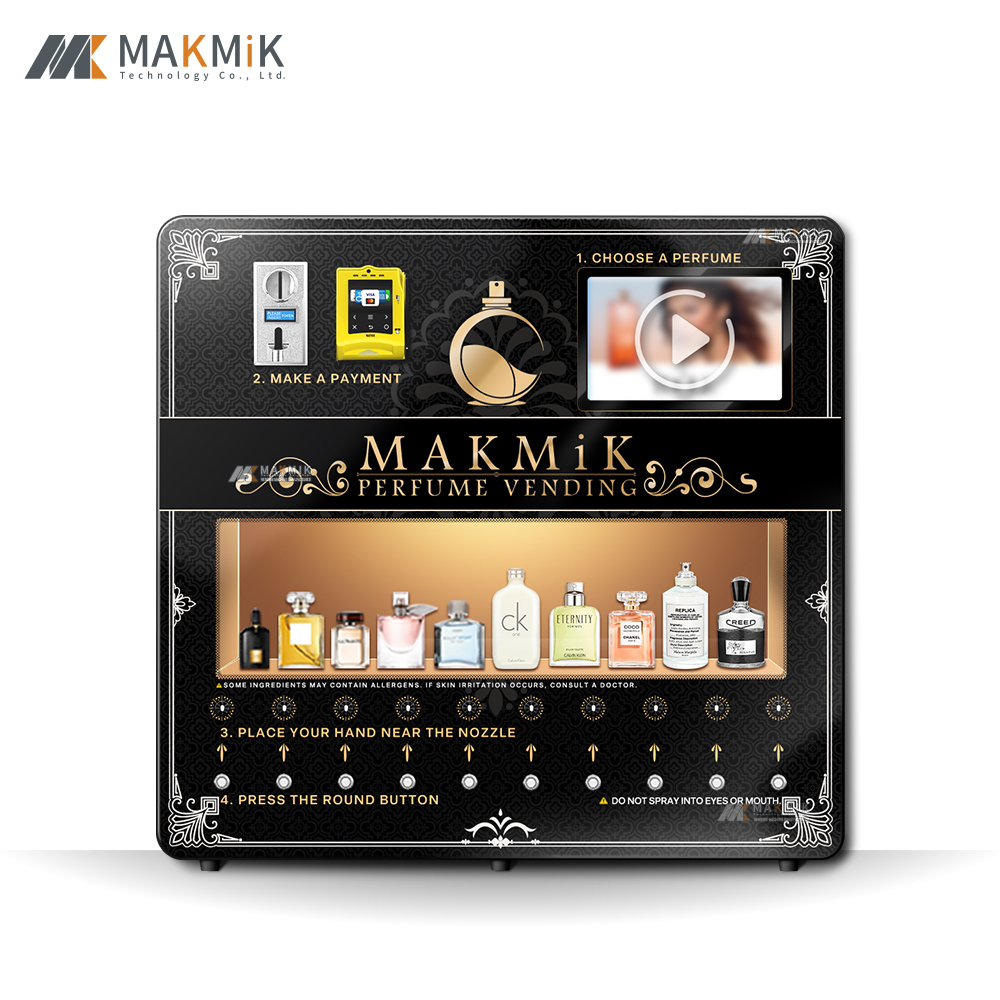
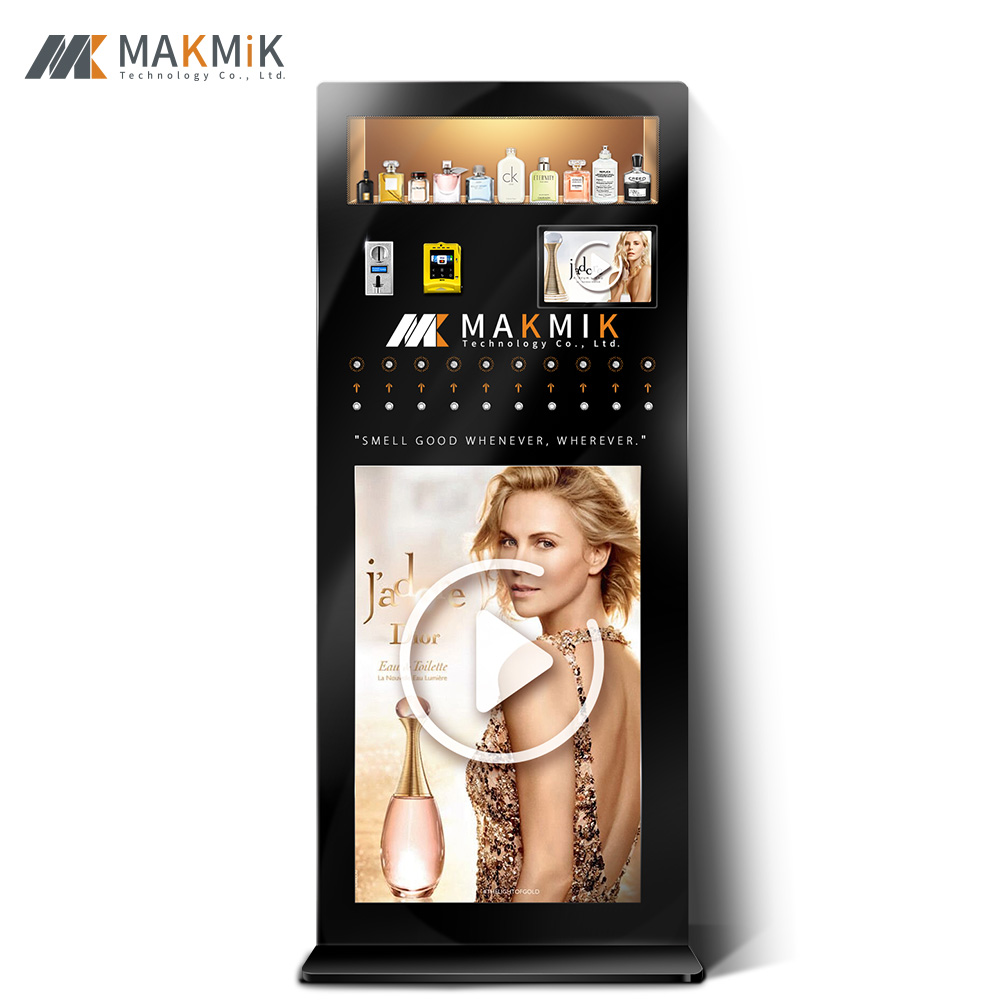
Confirm dimensions, electrical requirements, payment compatibility, software functions, parts interchangeability, service access and shipment terms for the exact hardware revision. Use a consistent perfume vending machine RFQ specification to compare suppliers and avoid surprises when a fleet includes multiple configurations.
6. Turn Refilling and Maintenance into a Repeatable Route
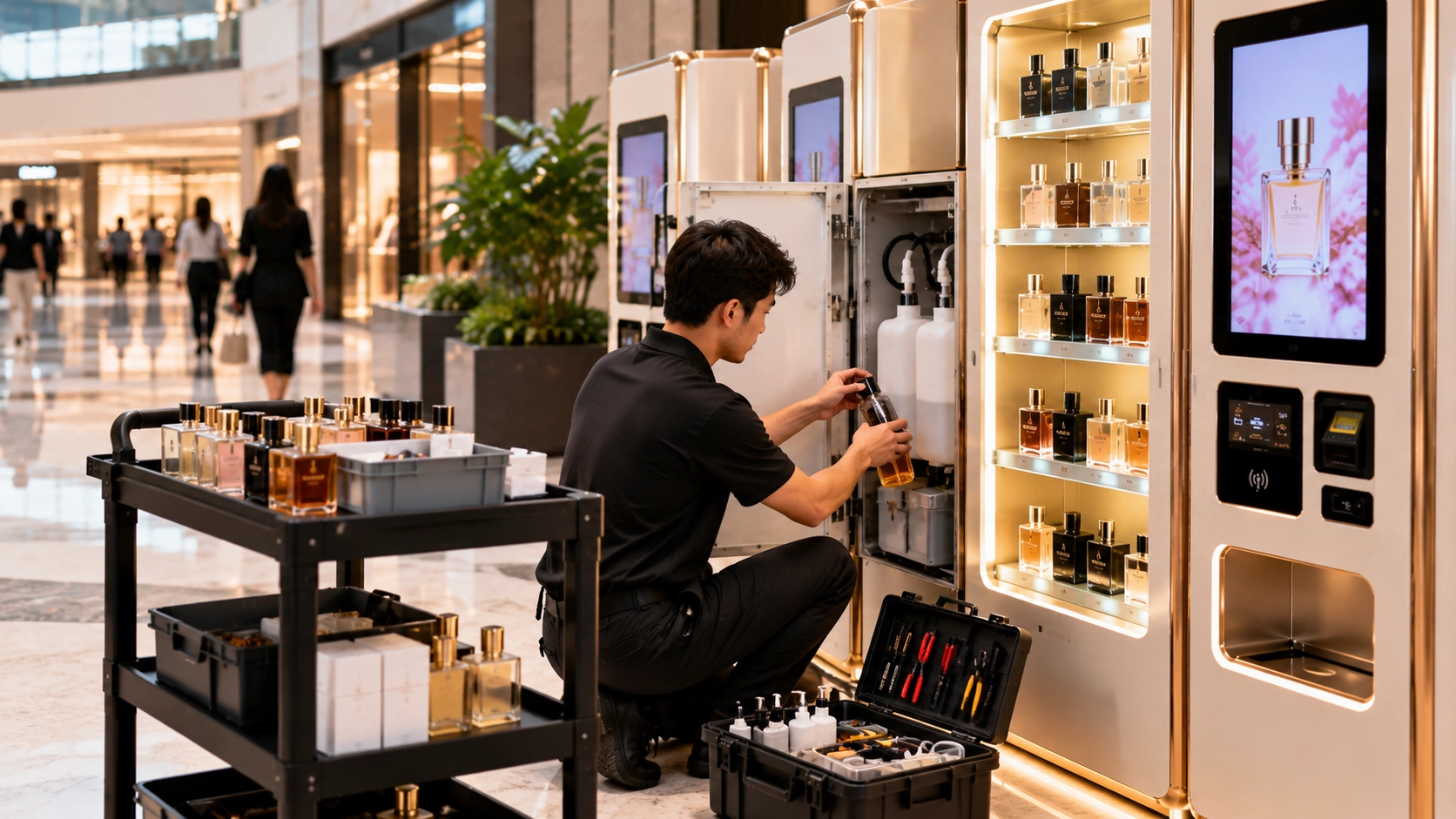
At one location, the owner may restock personally. With 10–20 machines, unplanned journeys can consume a large share of contribution. Group nearby sites into routes and use actual fragrance consumption, service windows, travel time and machine alerts—where supported—to plan visits.
| Daily/Weekly Record | What to Track | Decision Supported |
|---|---|---|
| Consumption | Refill quantities, fragrance/channel movement | Next delivery quantity and interval |
| Visit efficiency | Drive time, refill time, access delays | Territory and technician scheduling |
| Machine condition | Availability, transaction errors and service history | Preventive work or technician escalation |
| Fragrance mapping | Container, channel and interface assignment | Prevent incorrect refills and customer complaints |
Create one service record per machine, including its model, serial number, location, access contact, approved fragrance channels, repair history, spare-part references and completion checks. A fault that appears repeatedly at multiple sites may point to a shared process or configuration problem.
A standardized perfume vending machine spare-parts plan can reduce downtime, but local inventory should reflect exact model compatibility and the skills of the service team. Payment and electrical modules may require qualified service or supplier provisioning.
7. Know What Remote Management Can—and Cannot—Solve
Where the purchased configuration supports it, remote software may help review transactions, machine connectivity, errors and inventory-related data. These functions can reduce unnecessary visits, but they do not replace physical checks, replenishment, cleaning, security reviews or customer service. Confirm every promised function for the selected model, software plan and destination market.
Reconcile machine transaction logs with settled payment reports rather than counting every attempted transaction as revenue. Assign responsibility for offline devices, failed dispensing, refunds and unresolved service tickets. A simple escalation rule should state who responds, how the problem is recorded and what evidence is required before the unit returns to normal operation.
8. Review Each Site with a Small Set of Business KPIs
Fleet totals can conceal weak sites. Build a recurring per-location scorecard using consistent dates and definitions. Suggested KPIs include:
| KPI | Question Answered |
|---|---|
| Settled revenue and transaction count | Is this site generating confirmed customer demand? |
| Contribution by location | Are the site's operating costs justified? |
| Availability / downtime | How reliably can customers buy? |
| Refill and service hours | Does travel and labor consume the margin? |
| Stockouts and complaints | Is the product mix or experience creating avoidable losses? |
Review the reasons behind changes, not just the headline numbers. A machine might generate more revenue yet deliver less contribution because of expensive venue terms or repeated emergency visits. Use the same evidence to decide whether to retain, relocate, optimize or replace each site.
9. What a Documented 20-Unit Order Can—and Cannot—Prove
MAKMIK has published a Ukrainian distributor case describing a 20-unit perfume vending machine order. It illustrates the procurement and supplier-relationship side of a larger order.
That order is not evidence that 20 locations are already operating, that every unit produces similar sales, or that a particular return is guaranteed. Procurement, installation, customer demand and profitable operation are separate milestones. A buyer planning a similar expansion should request the configurations, delivery plan, training, spare parts and after-sales responsibilities applicable to their own order.
10. Final Expansion Checklist: Are You Ready for the Next Batch?
- Existing sites have usable transaction, cost and service records.
- Each proposed new venue passes technical and financial evaluation.
- Equipment configuration, payment, software and spare-parts requirements are confirmed in writing.
- Fragrance stock, refill staffing and maintenance coverage can serve the expanded fleet.
- The cash forecast includes installation, inventory, working capital and contingency—not only machine purchase price.
- There is an owner and review date for each unresolved issue before further ordering.
Scaling a perfume vending machine business from 1 to 20 units should make operations more predictable, not simply more complicated. Start with verified site economics, replicate what works, standardize support and only expand when the next batch meets your own operating and investment criteria.
Plan Your MAKMIK Fleet
Discuss Your Next Batch Before You Order
Share your target locations, intended machine quantity, preferred formats, payment requirements and rollout schedule. MAKMIK can review available models and the information needed for a project-specific quotation.
Facebook
Linkedlin
YouTube
Instagram