


From Venue Needs to Machine Selection: A Practical Guide to Small-Format Vending
How should hotels, gyms, campuses, and cultural venues evaluate a small vending machine project? This guide follows a venue-first sequence: assess on-site demand, configure an ambient-temperature product mix, assign operating responsibilities, and set acceptance criteria before purchasing a machine. Each step is illustrated with documented venue cases from the US, UK, and continental Europe. Written for operators with existing venues or venue partnerships.
- From Venue Needs to Machine Selection: A Practical Guide to Small-Format Vending
- 1. Venue Assessment: Identify Specific Needs, Not Just Foot Traffic
- 2. Scenario Configuration: Let Purchase Motivation Define the Product Mix
- Hotels and accommodation: supplement travel needs beyond existing amenities
- Gyms and fitness studios: serve activity-related accessory needs
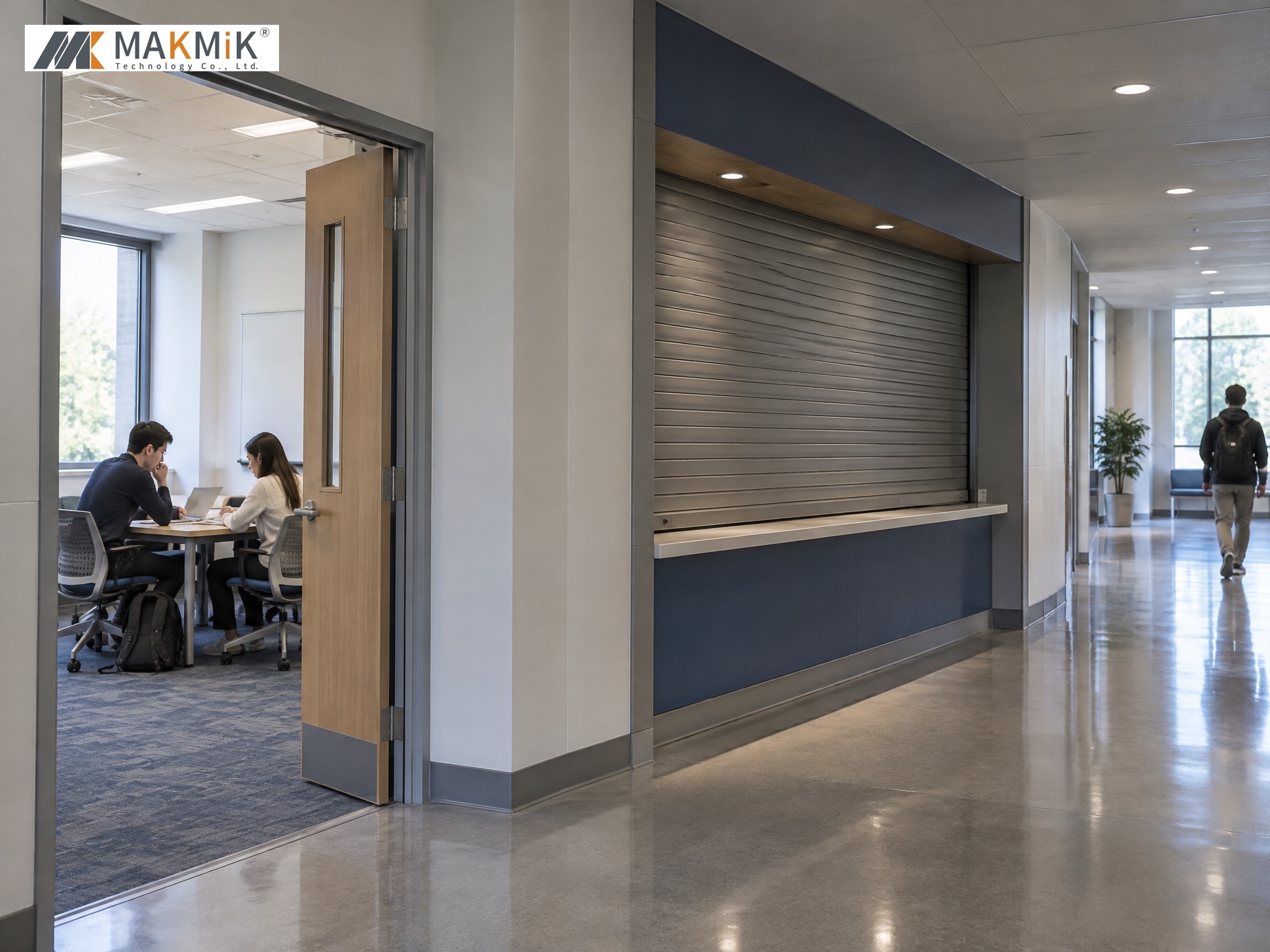
- Campuses and study spaces: bridge the gap between usage hours and service hours
- Cultural and hobby spaces: extend the visit into themed retail
- 3. Product Planning: Limit the First Batch, Build a Basis for Adjustment
- 4. Operations Design: Assign Responsibility and Cost per Location
- 5. Machine Selection: Turn Operating Requirements into Acceptance Criteria
- 6. Pilot Evaluation: Separate Demand, Transaction, and Service Issues
- Conclusion: Let Venue Needs Justify the Equipment Decision
- Sources and Notes
- FAQ
From Venue Needs to Machine Selection: A Practical Guide to Small-Format Vending
For operators of hotels, fitness studios, campuses, and cultural venues, automated vending can serve as a retail extension of existing services. Its commercial value does not depend on how many product types a machine can hold, but on whether the products, the moment of purchase, and the venue's services genuinely match.
Clear activity-related needs, hours that regular retail does not cover, and products connected to the venue experience can all serve as starting points for evaluating a project. Only after demand, product range, and operating conditions are reasonably clear do machine specifications, payment configuration, and mounting options have a concrete basis for decision-making.
A location-first approach grounds equipment purchasing in business needs: assess the venue first, then plan products and services, and select the machine last.

1. Venue Assessment: Identify Specific Needs, Not Just Foot Traffic
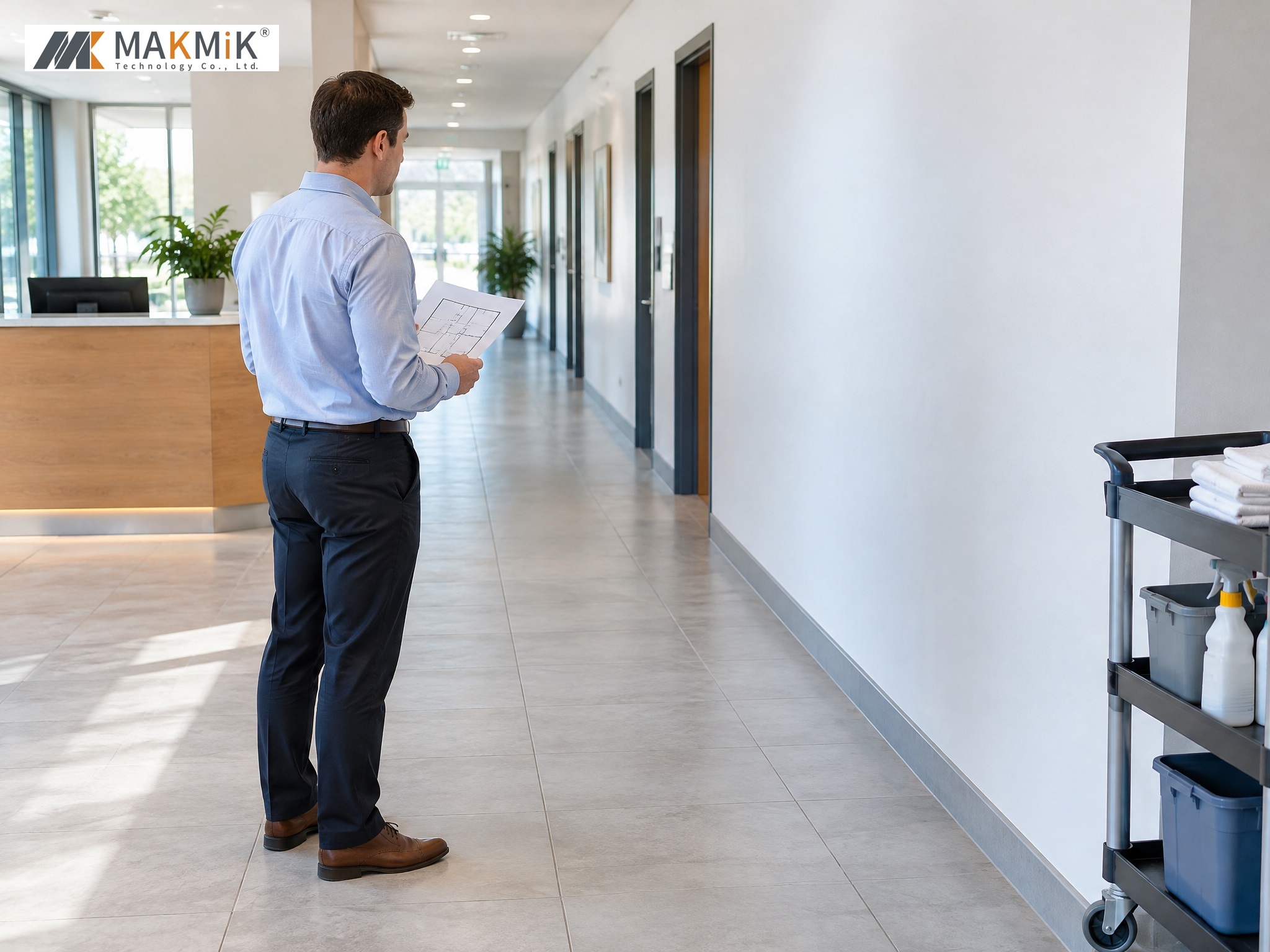
Foot traffic works as an initial filter, but it cannot by itself prove the commercial potential of a vending point. A more meaningful assessment answers three questions at once: does the need exist, is current supply sufficient, and can the purchase be completed on site?
Front-desk inquiries, accessory purchase records from classes, user feedback, and existing sales data can all serve as preliminary evidence. Frequently requested items deserve testing, but inquiry counts are not sales figures; willingness to buy also depends on specifications, price, and ease of access.
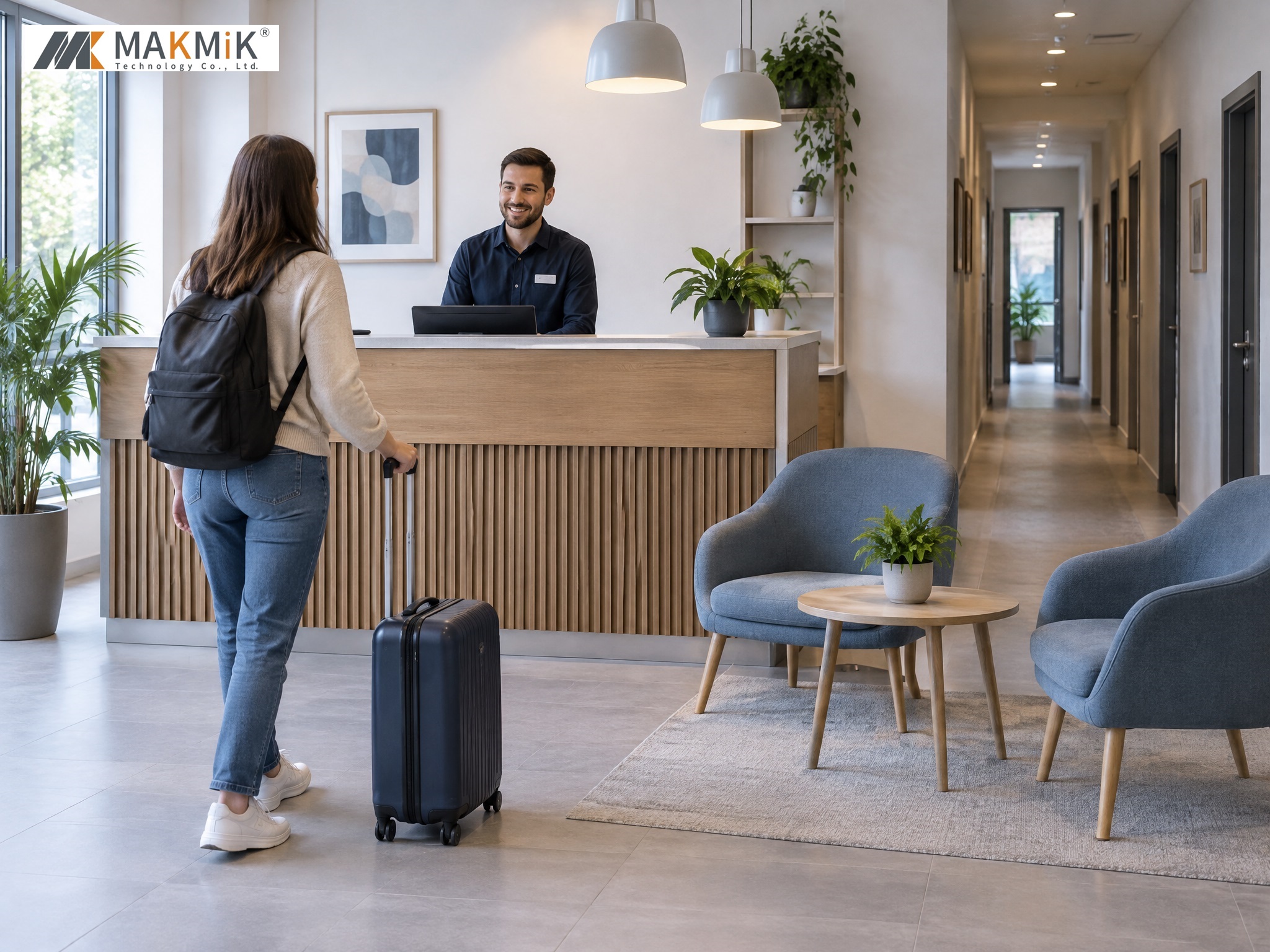
The official page of MEININGER's Berlin East Side Gallery hotel shows that basic toiletries are provided in rooms, while additional care items can be purchased at the front desk.[1] The case illustrates that hotel product planning should start by checking existing services rather than copying a generic travel-goods list.
A new vending point should have a defined role: supplying products not yet covered, shortening the purchase process, or extending retail into hours when the venue remains accessible. If it merely moves existing front-desk sales into a machine, convenience and operating effort still need to be compared, and machine revenue should not be counted entirely as incremental income.
2. Scenario Configuration: Let Purchase Motivation Define the Product Mix
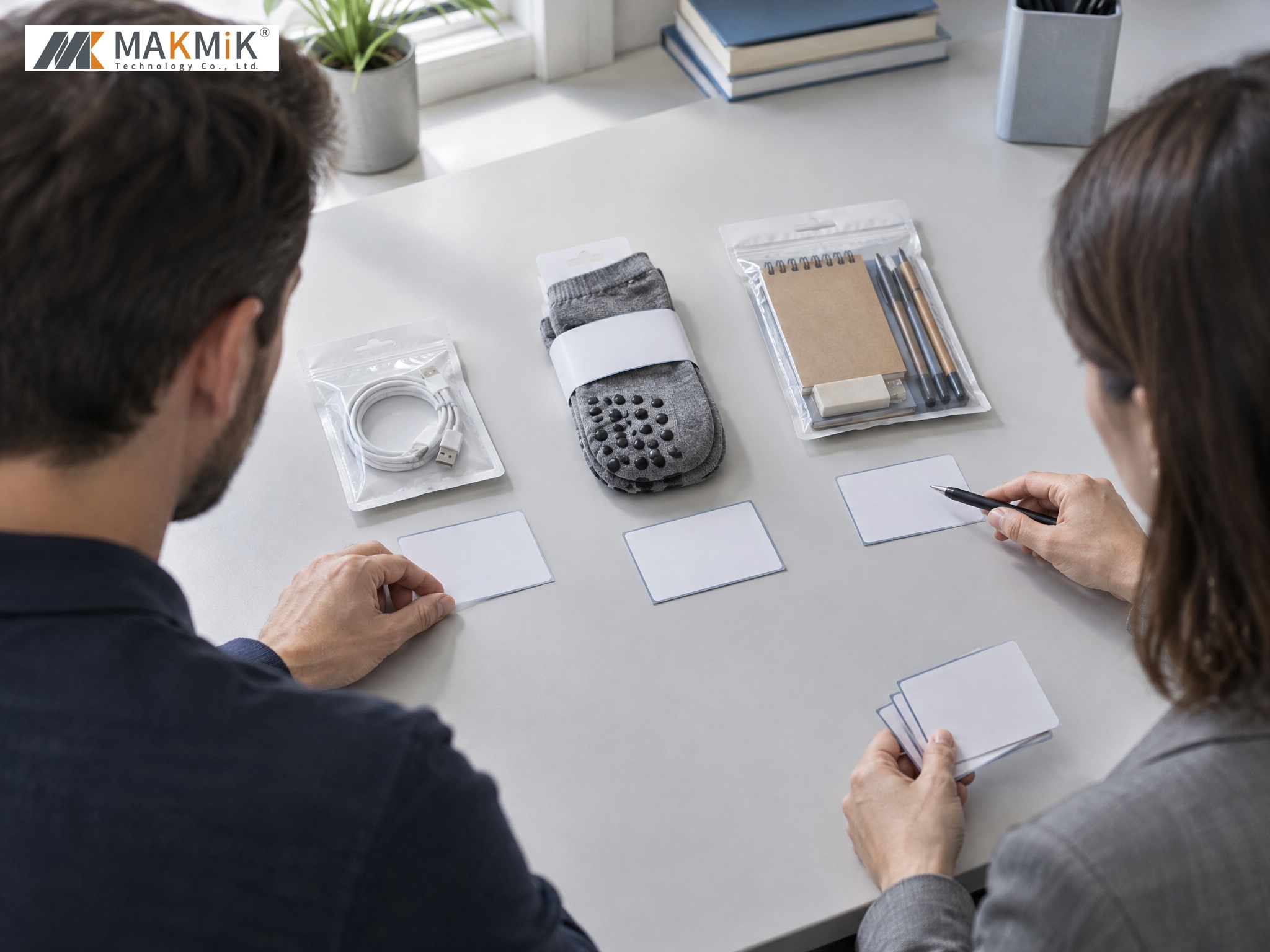
Hotels, sports venues, campuses, and cultural spaces serve different purchase motivations even when the vending point looks identical. The product mix should be designed around specific use cases instead of duplicating one catalogue across locations. The cases below explain configuration logic; they are not a universal best-seller list.
Hotels and accommodation: supplement travel needs beyond existing amenities
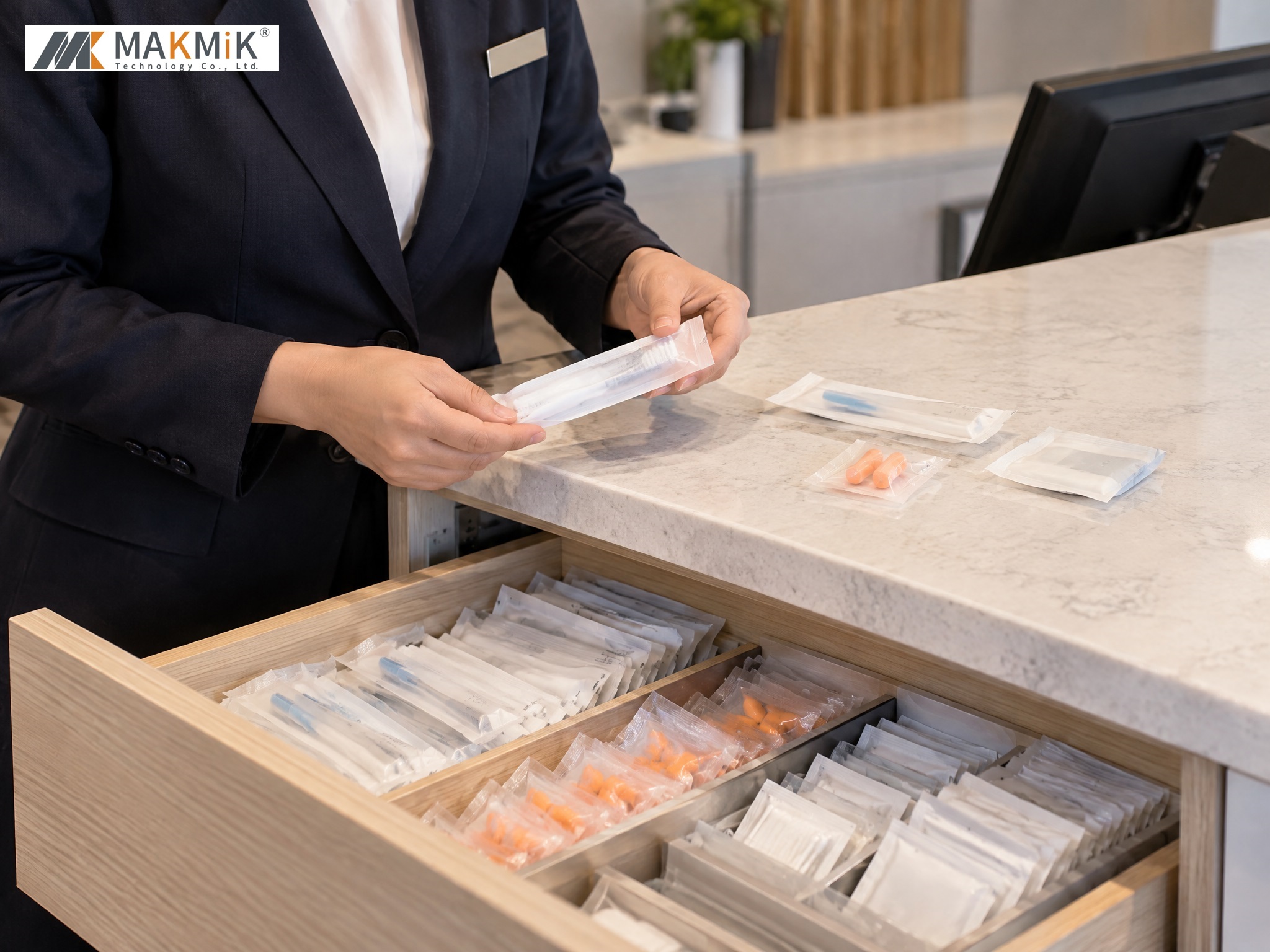
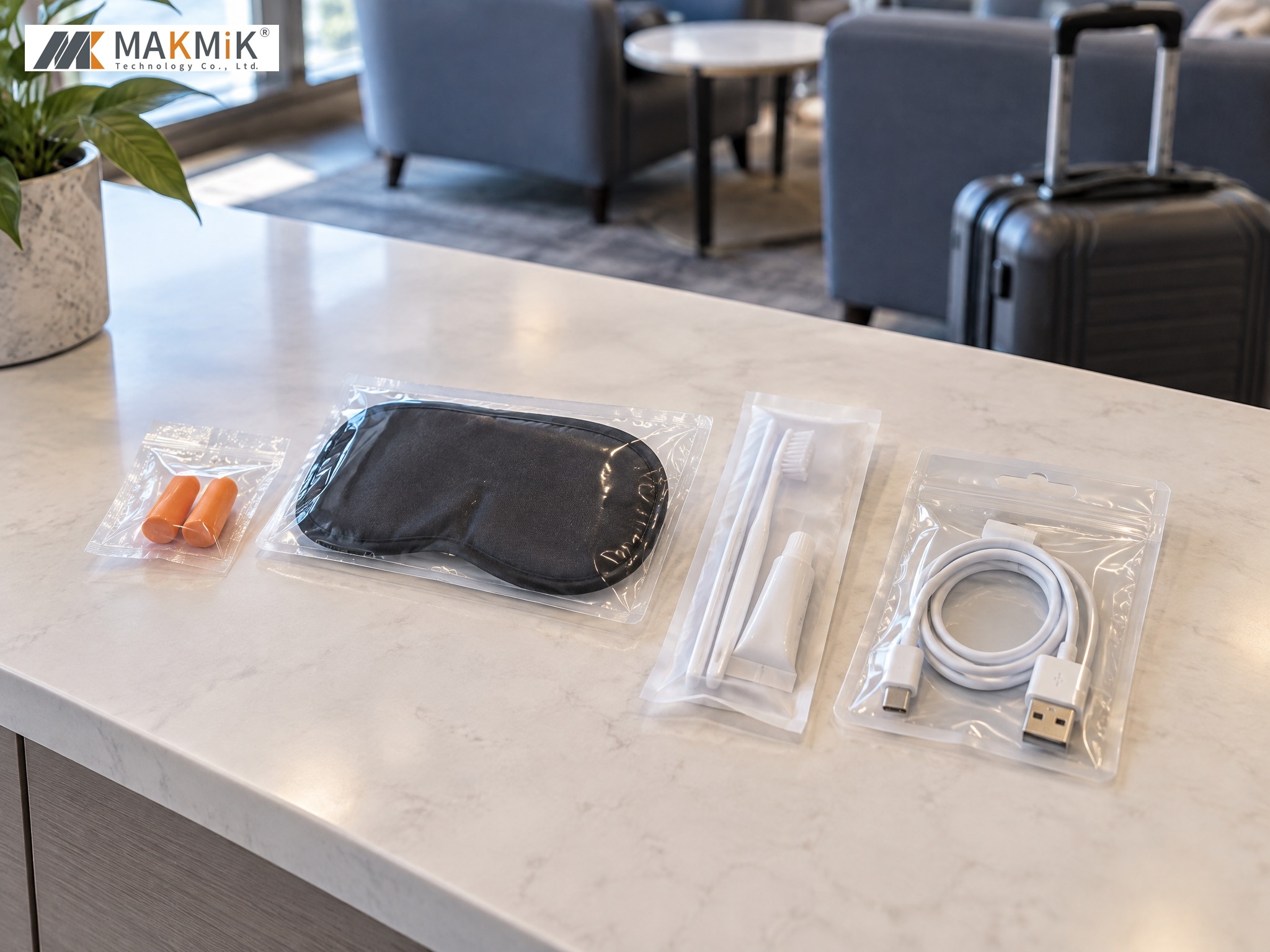
Earplugs, eye masks, dental kits, and charging cables are reasonable candidates, but whether to sell them should be decided against room amenities, front-desk services, and actual inquiry records. Items already supplied free of charge should not be turned into paid products simply by relocating them; products with distinct specifications or uses need to demonstrate clear additional value.
For accommodation venues, configuration priorities are specification clarity and ease of access. Charging cables must state connector types and compatibility; personal-care items must make package contents obvious. Self-service selling lacks on-the-spot explanation, so product information has to support independent decisions.
Gyms and fitness studios: serve activity-related accessory needs
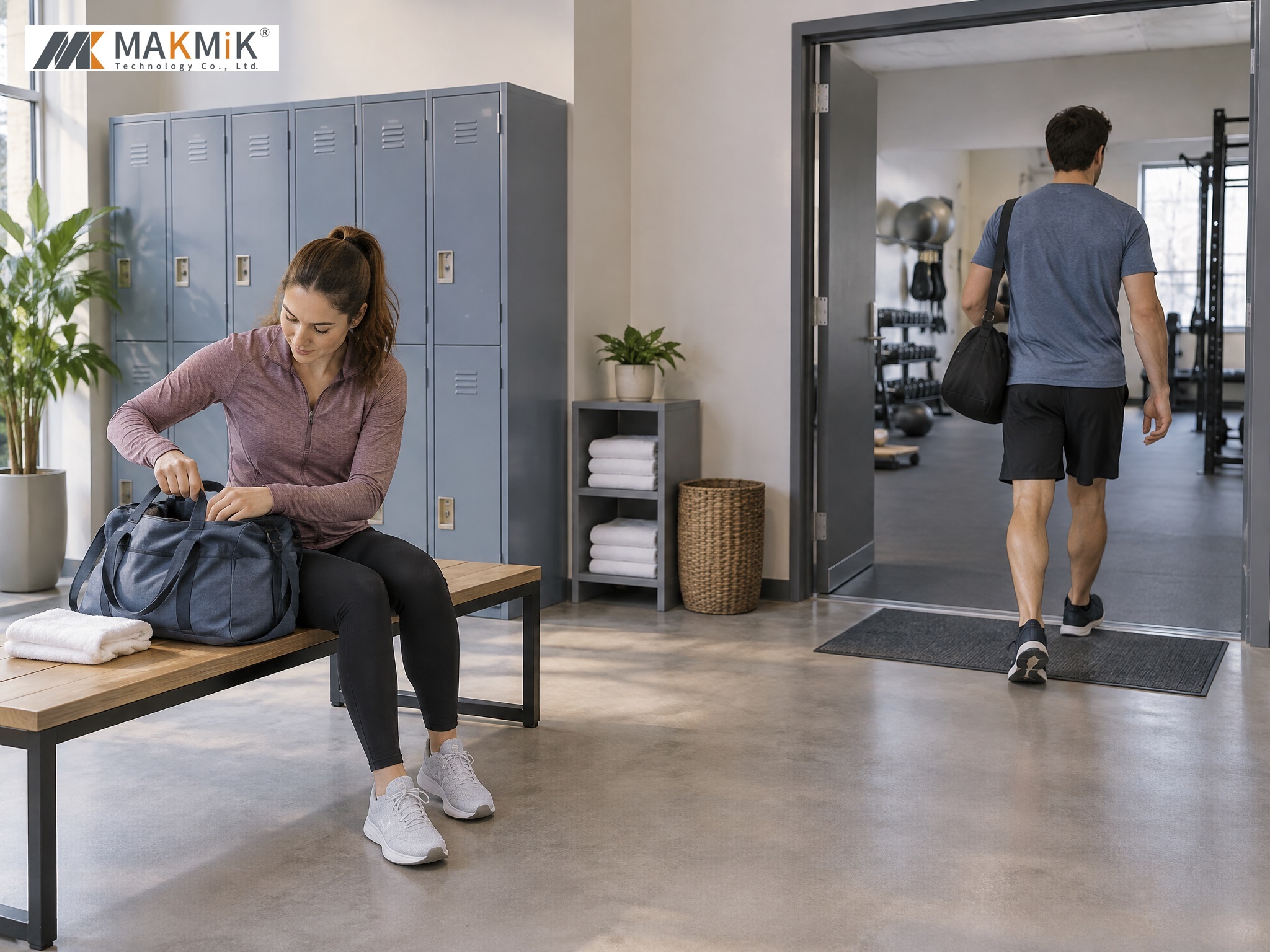
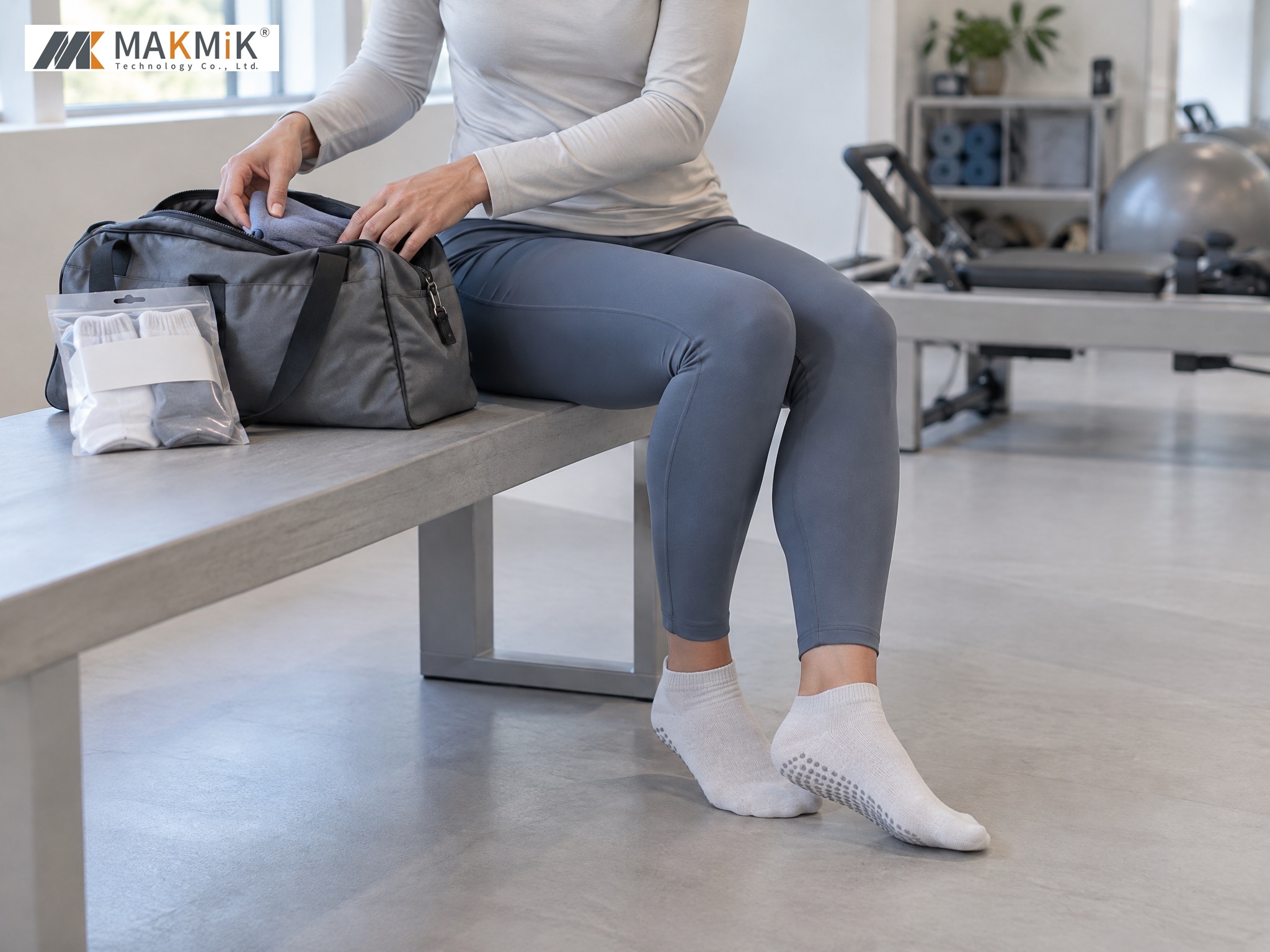
The Urban Sports Club venue page for BEYOND Cburg in Berlin lists grip-sock vending, and the studio's own website confirms grip socks are sold on site.[2] The case shows a clear link between a product and class activity — not that grip socks suit every gym.
Configuring sports accessories involves class requirements, sizes and styles, existing purchase channels, and whether items can be obtained before a session starts. Last-minute replacement purchases and deliberate selection should be analyzed separately: the former depends on immediate availability, the latter also involves style preference and product presentation.
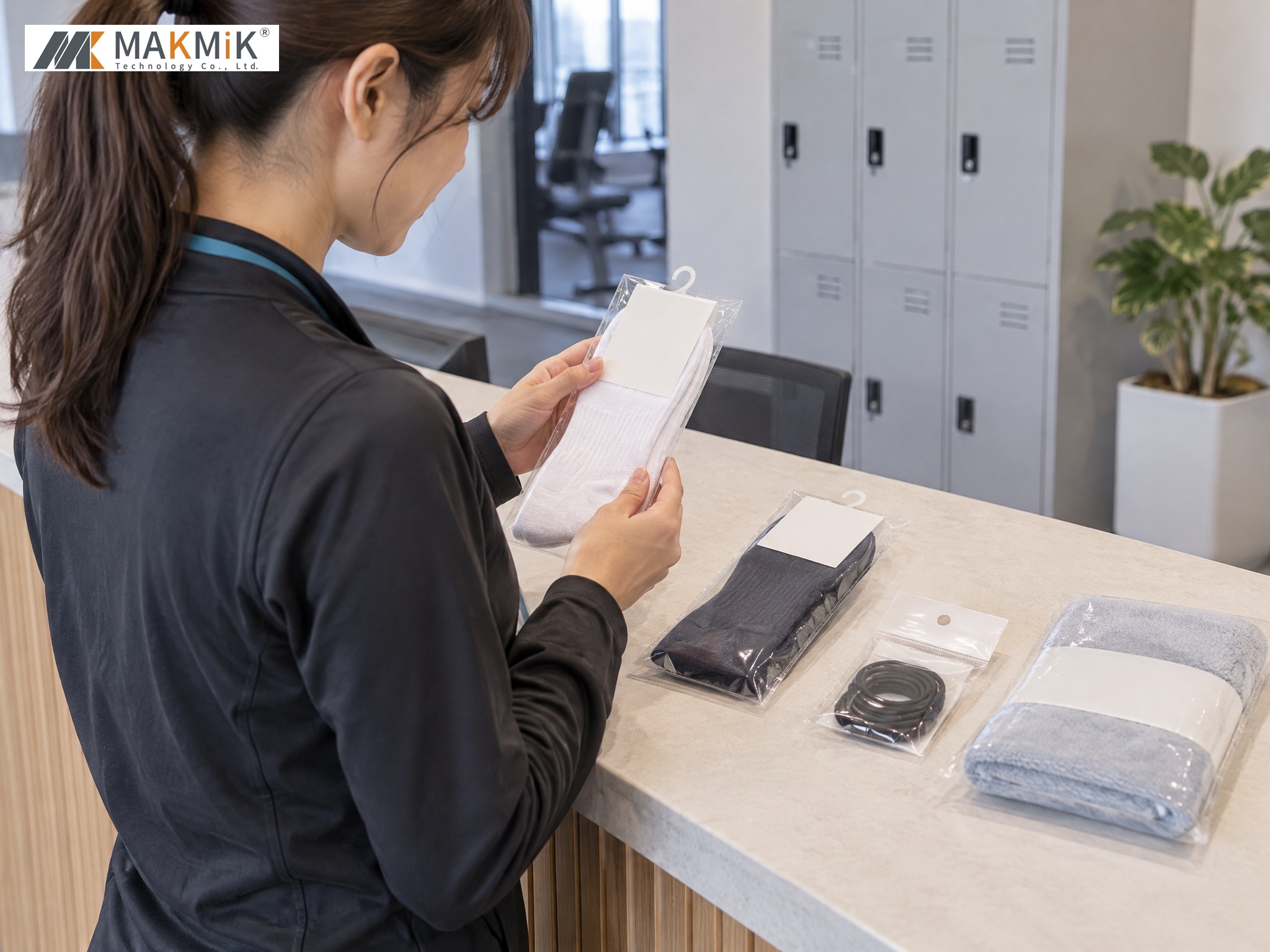
Grip socks, hair ties, and small accessories are directions worth testing. The exact range should come from activities and user feedback, then be checked against packaging and machine compatibility.
Campuses and study spaces: bridge the gap between usage hours and service hours
A 2020 Swansea University feature described a student venture that began when stationery ran out during late-night study sessions, after the campus shop had closed. The resulting vending project offered stationery, headphones, chargers, and USB cables.[3] The value of this historical case lies in how the need was identified, not in its product list or results at the time.
The official page of the Luiss University library in Italy lists pens, highlighters, notebooks, and USB storage in its vending machine, and notes that the service is limited to library opening hours.[4] Planning therefore needs to verify three separate conditions: building access, area access, and machine operation. A machine that stays powered on does not mean customers can buy at any time.
Cultural and hobby spaces: extend the visit into themed retail
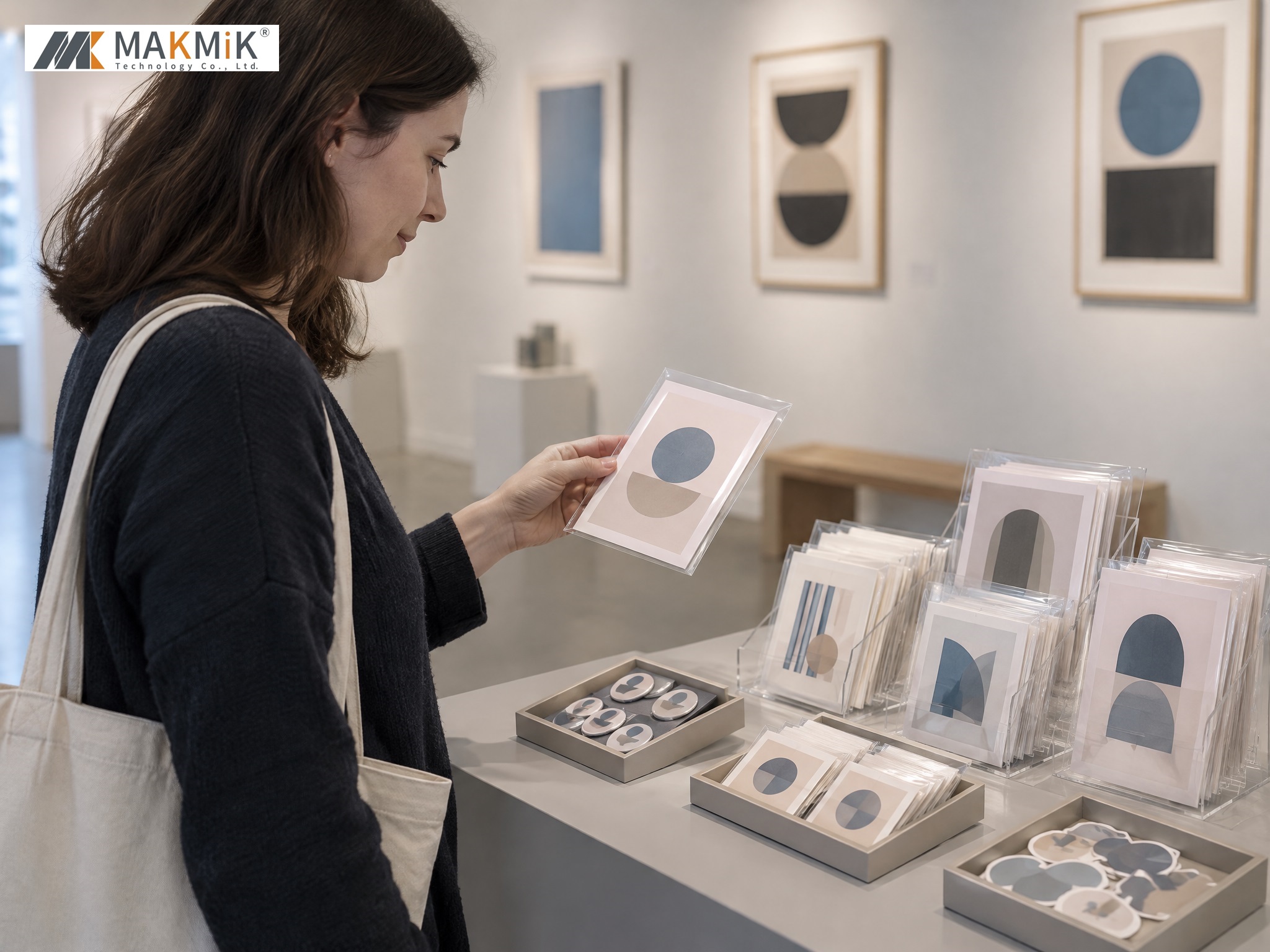
Non-food vending is not limited to emergency replacement. The mini-print vending installation by artist Ana Inciardi, introduced by the Syracuse University Art Museum in January 2026, offers signed, numbered prints including campus-related images.[5] Product value here is tied to artistic content, sense of place, and the collecting experience.
For cultural venues and hobby stores, themed cards, badges, stickers, and small collectibles are candidate directions. Key evaluation points include content relevance, sourcing and licensing, packaging protection, and whether customers understand the product's value. The museum uses a purpose-built device; it is not evidence that other machines can dispense the same thin-format items.
The point of a multi-category approach is to give each venue a clearly defined product mix — not to stretch one machine's range indefinitely.

3. Product Planning: Limit the First Batch, Build a Basis for Adjustment
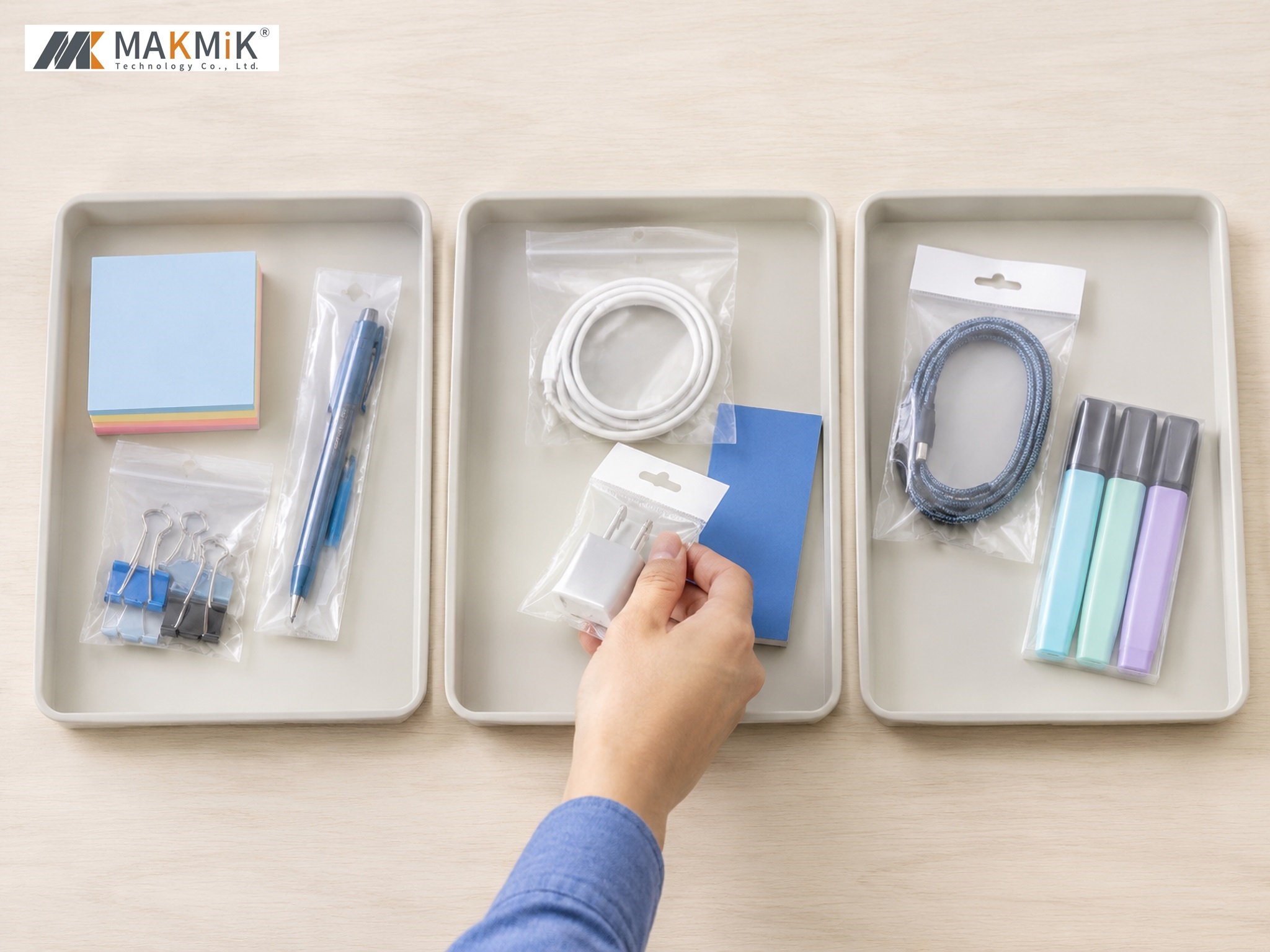
The first batch of products should test explicit business assumptions. A practical structure uses three tiers: core-need items backed by existing demand evidence, complementary items extending uses or specifications, and exploratory items probing unverified preferences. This is a testing order, not a ranking of sales or profit.
A 2022 service note from the Edge Hill University library describes updating vending products based on student feedback, with additions including colored pens and chargers.[6] The product mix should accordingly be treated as an adjustable plan rather than a catalogue fixed at installation.
When adjusting stock, record each product's unit sales, actual in-stock time, lane occupancy, restocking frequency, and refund causes. Zero sales during a stock-out period do not indicate absent demand; high-selling items that occupy more space or demand frequent restocking also need to be judged by net contribution.
For persistently slow items, check demand, specification, price, and presentation in that order, rather than simply adding new products. Keep conditions comparable when making changes, and log shifts in opening hours or venue events to avoid misreading results.
4. Operations Design: Assign Responsibility and Cost per Location
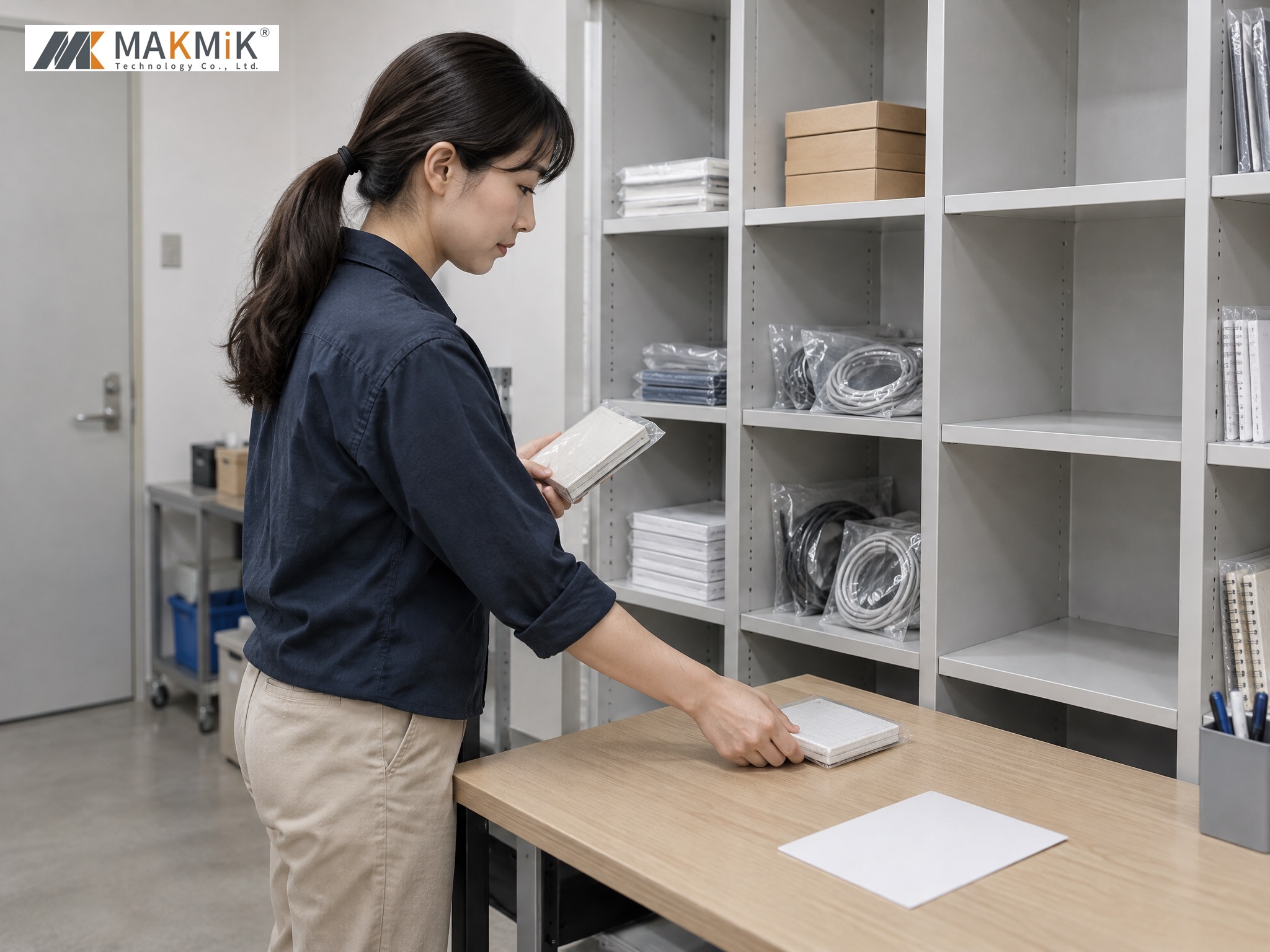
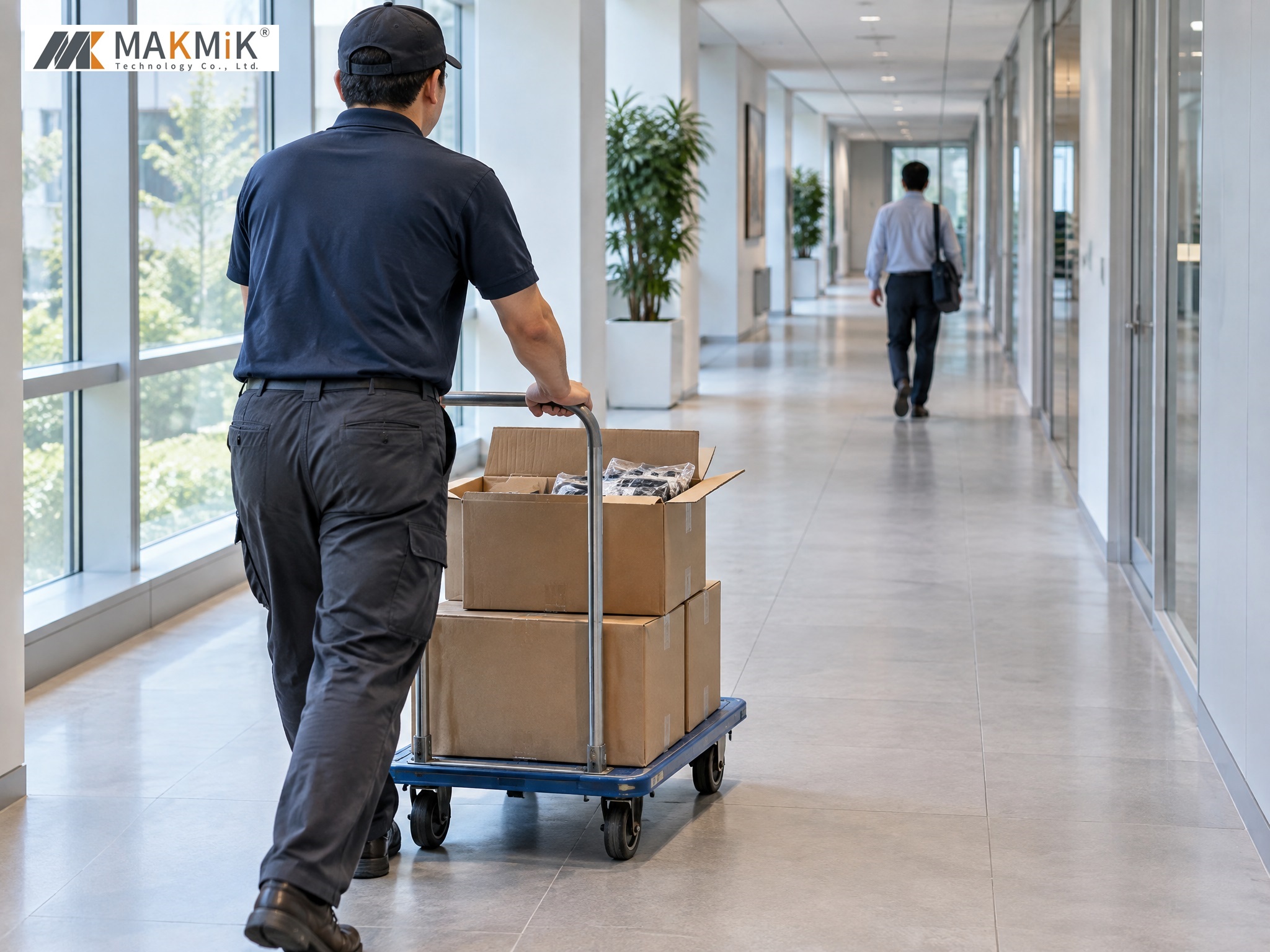
A machine that completes selection, payment, and dispensing does not remove operating responsibility. Procurement, restocking, cleaning, fault response, and refund handling must be settled before launch.
Erasmus University's official service page states that its non-food vending machine is owned and restocked by SchoolSupply, with a defined channel for problems and complaints.[7] The arrangement illustrates how responsibility can be divided between a venue and an operating partner; it is a reference point for discussion, not a standard contract template.
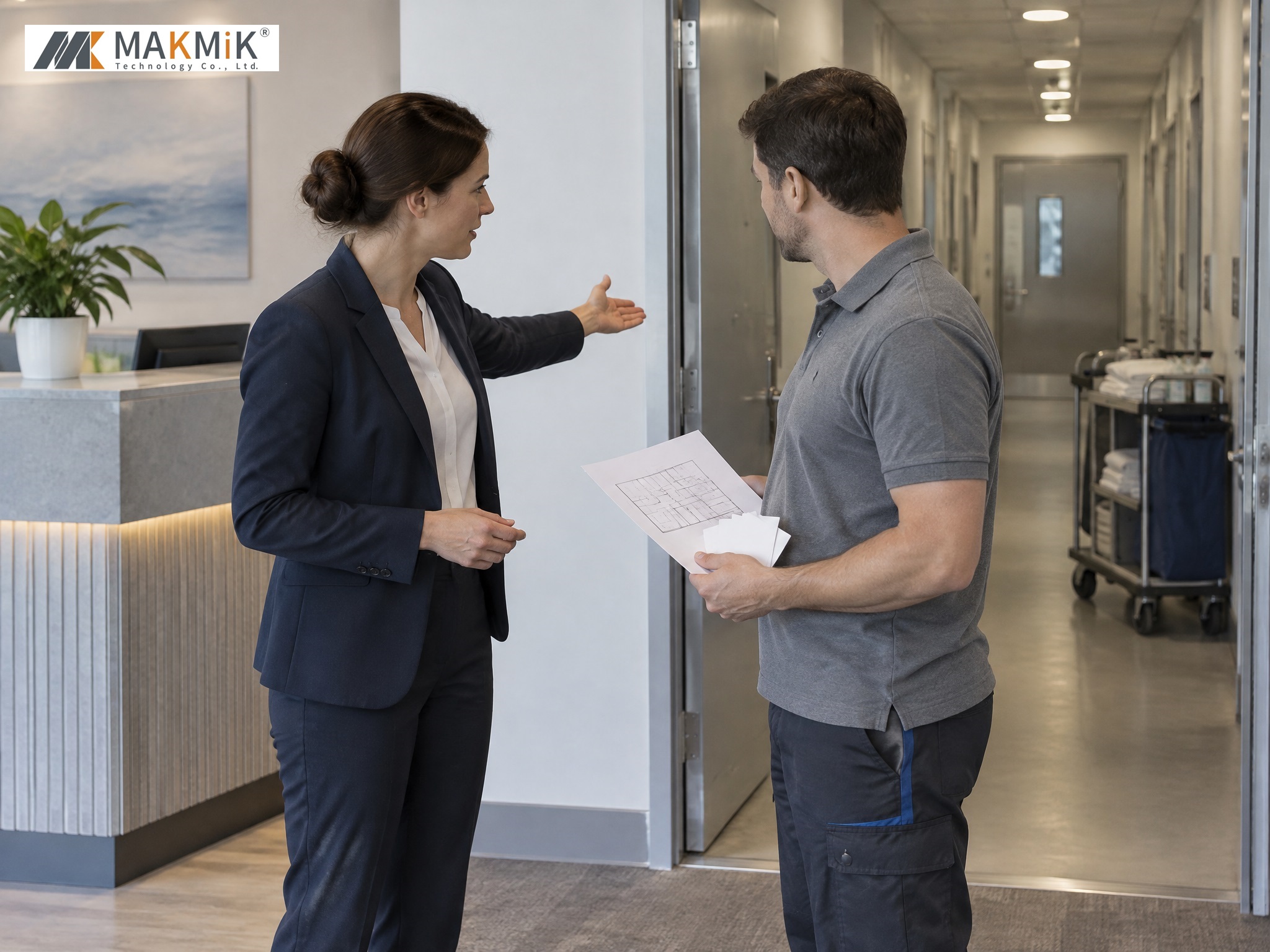
Self-operated projects need named owners for inventory checks, restocking, and customer support. Partnership projects should settle installation rights, venue fees or revenue share, restocking access hours, damage liability, and exit terms. A machine located inside a building does not automatically mean the operator may enter for maintenance at any time.
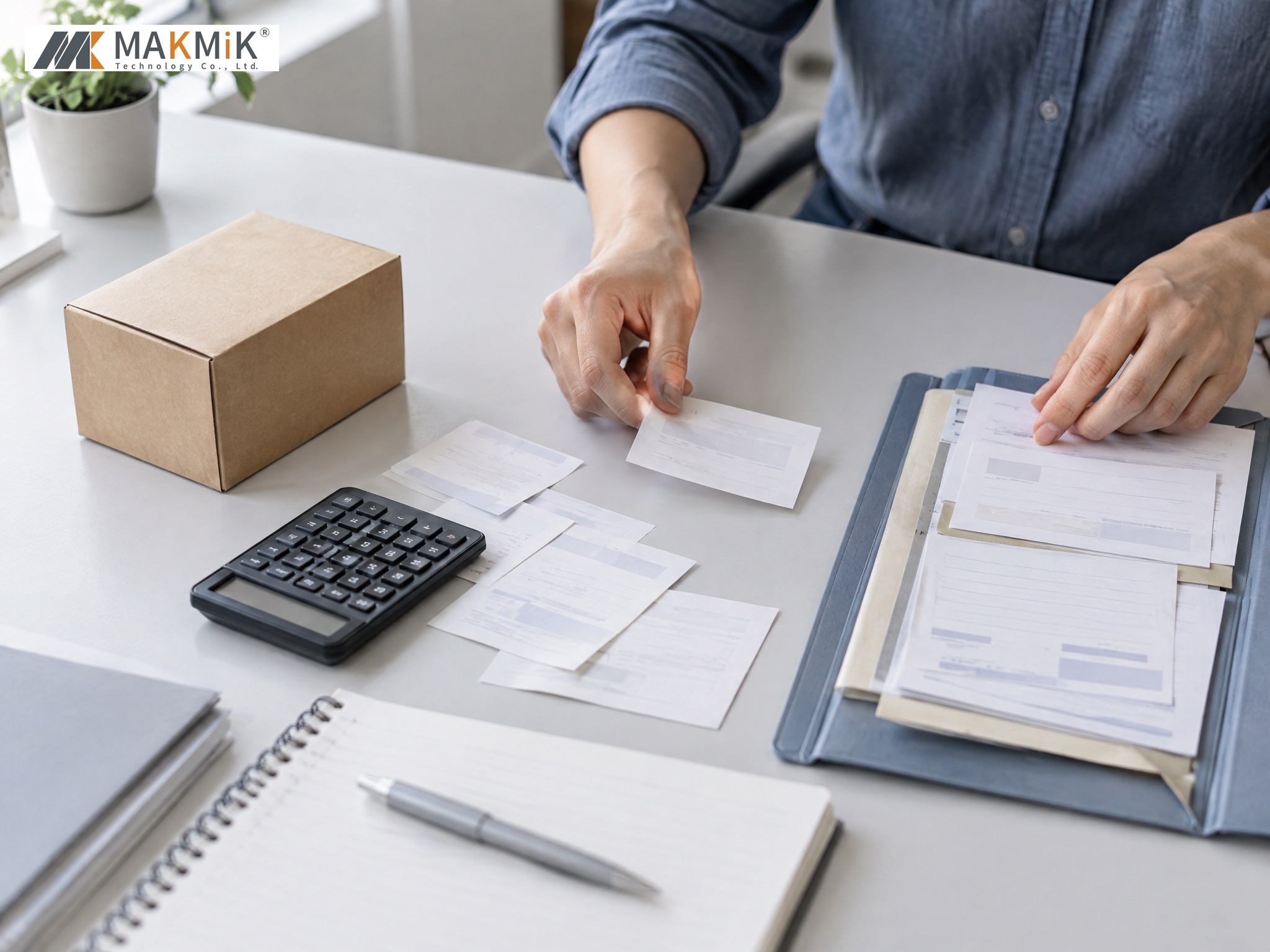
Per-location analysis should separate equipment investment, operating revenue, and recurring costs. Record sales revenue, cost of goods sold, venue fees, payment and platform charges, restocking labor and travel, maintenance, and shrinkage as distinct items, with equipment and installation listed separately. Revenue, gross margin, net operating result, and payback are different measures and should not be interchanged.
For operators with existing service routes, evaluating a new location should include the added service time and travel. Similar foot traffic can still produce different operating burdens under different restocking conditions. Plans for the United States, the United Kingdom, and continental Europe should use local payment terms, service quotes, and venue agreements rather than a single cost assumption.
5. Machine Selection: Turn Operating Requirements into Acceptance Criteria
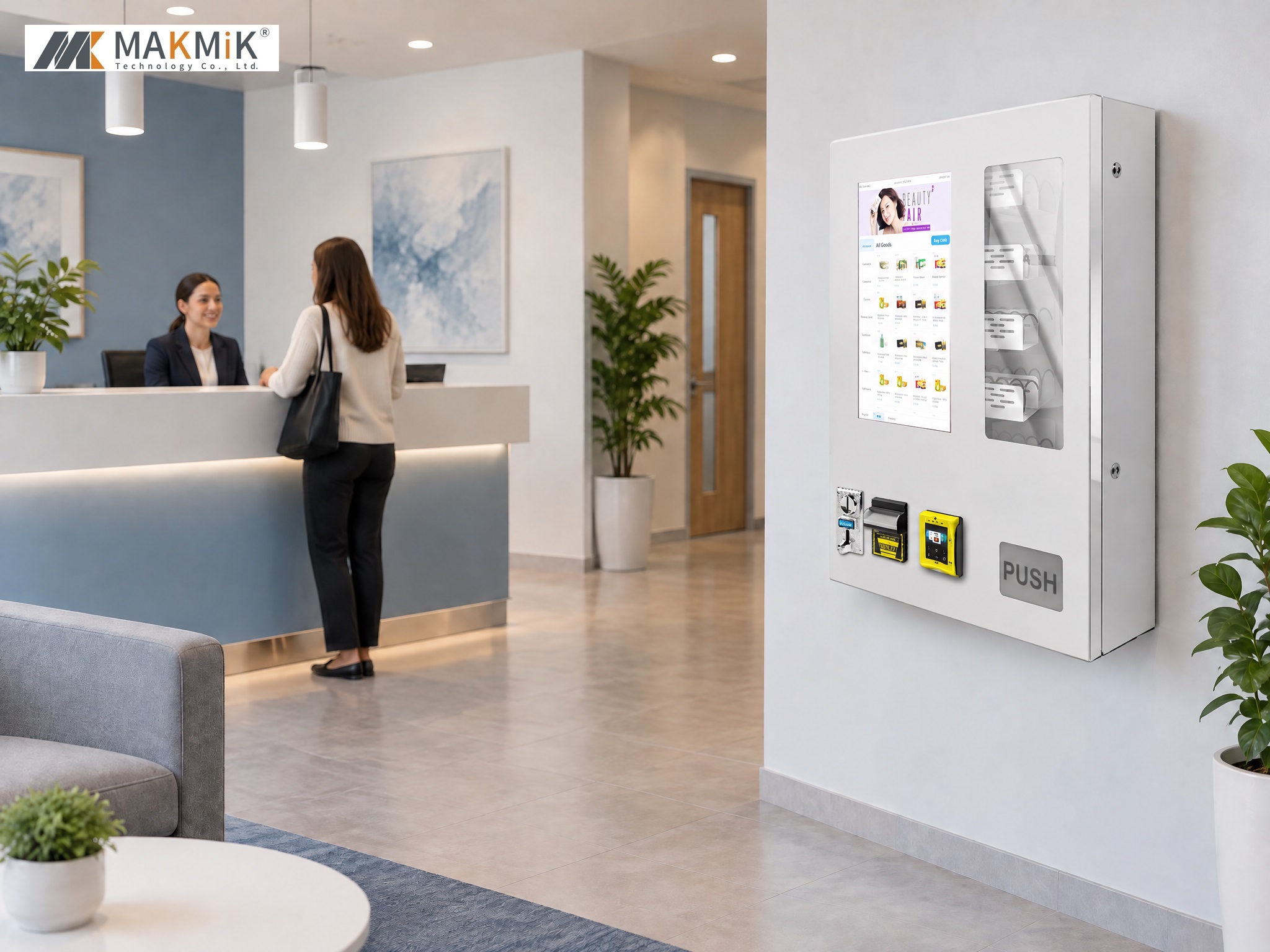
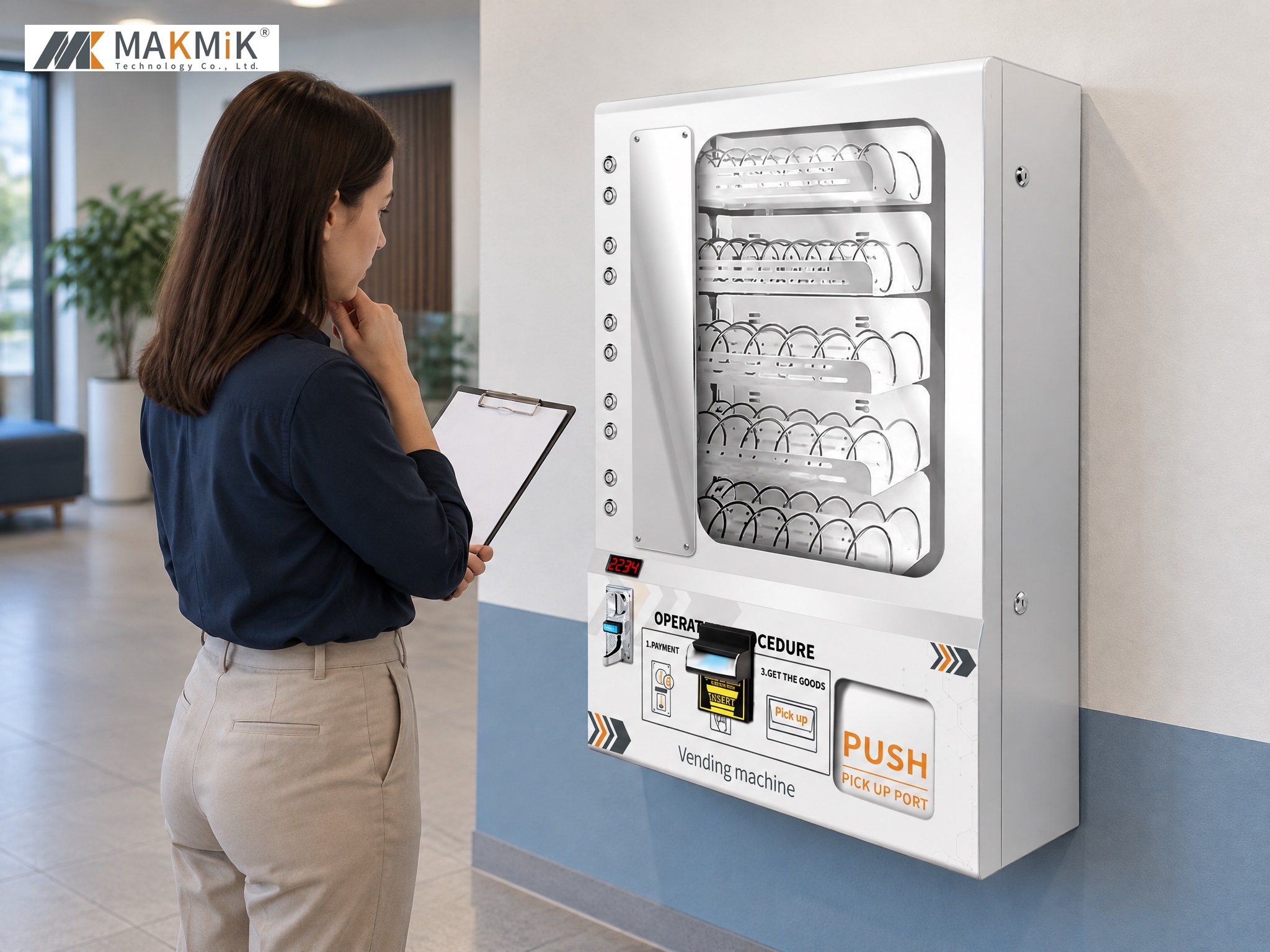
The machine must match the products, the venue, and the operating model. The compact, non-refrigerated unit discussed in this guide is suitable for small-format, ambient-temperature products; beverages and refrigerated goods are out of scope. For wall-mounted installation, verify wall structure, fixing method, operating height, circulation space, and room for restocking and maintenance.
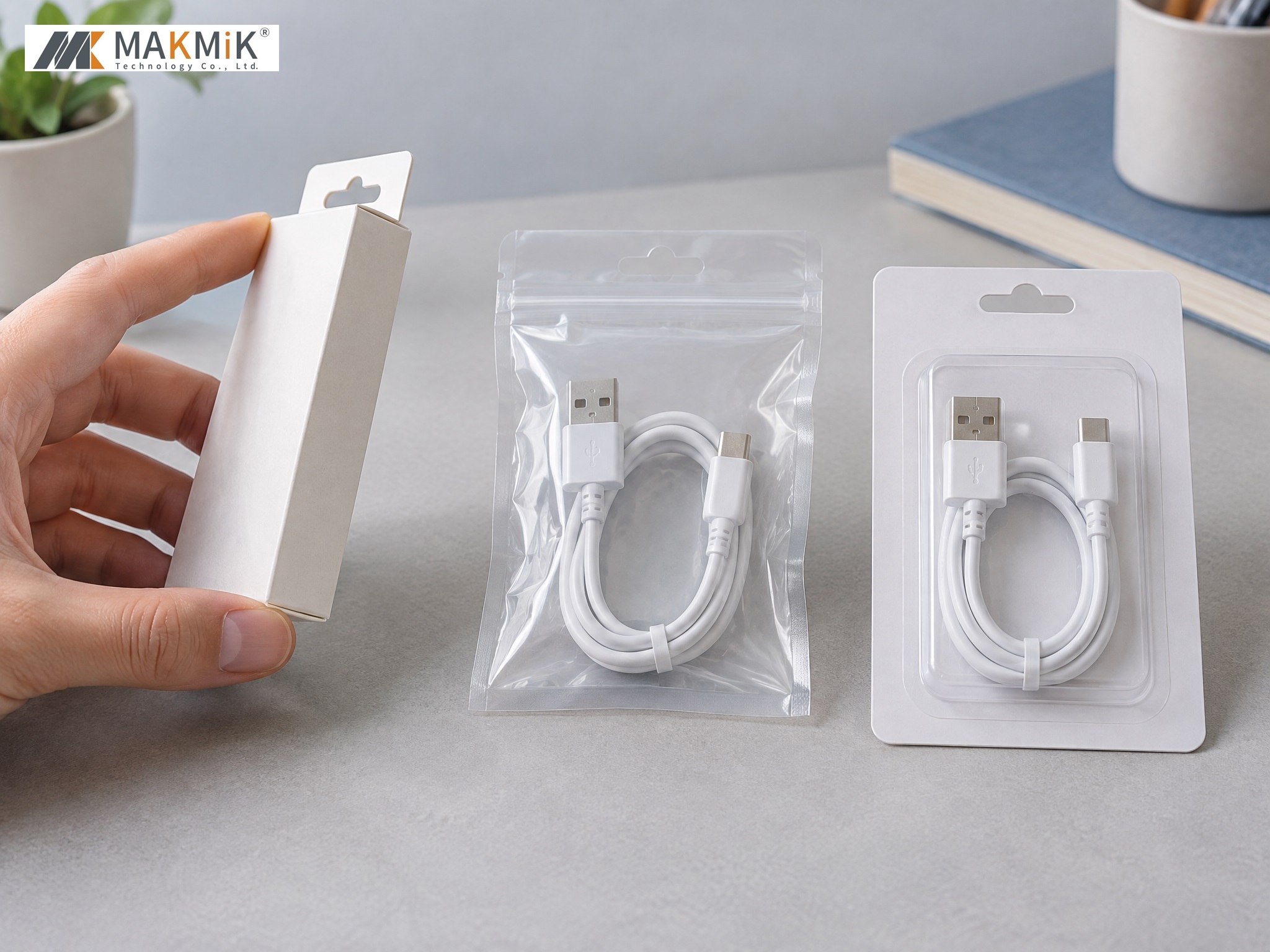
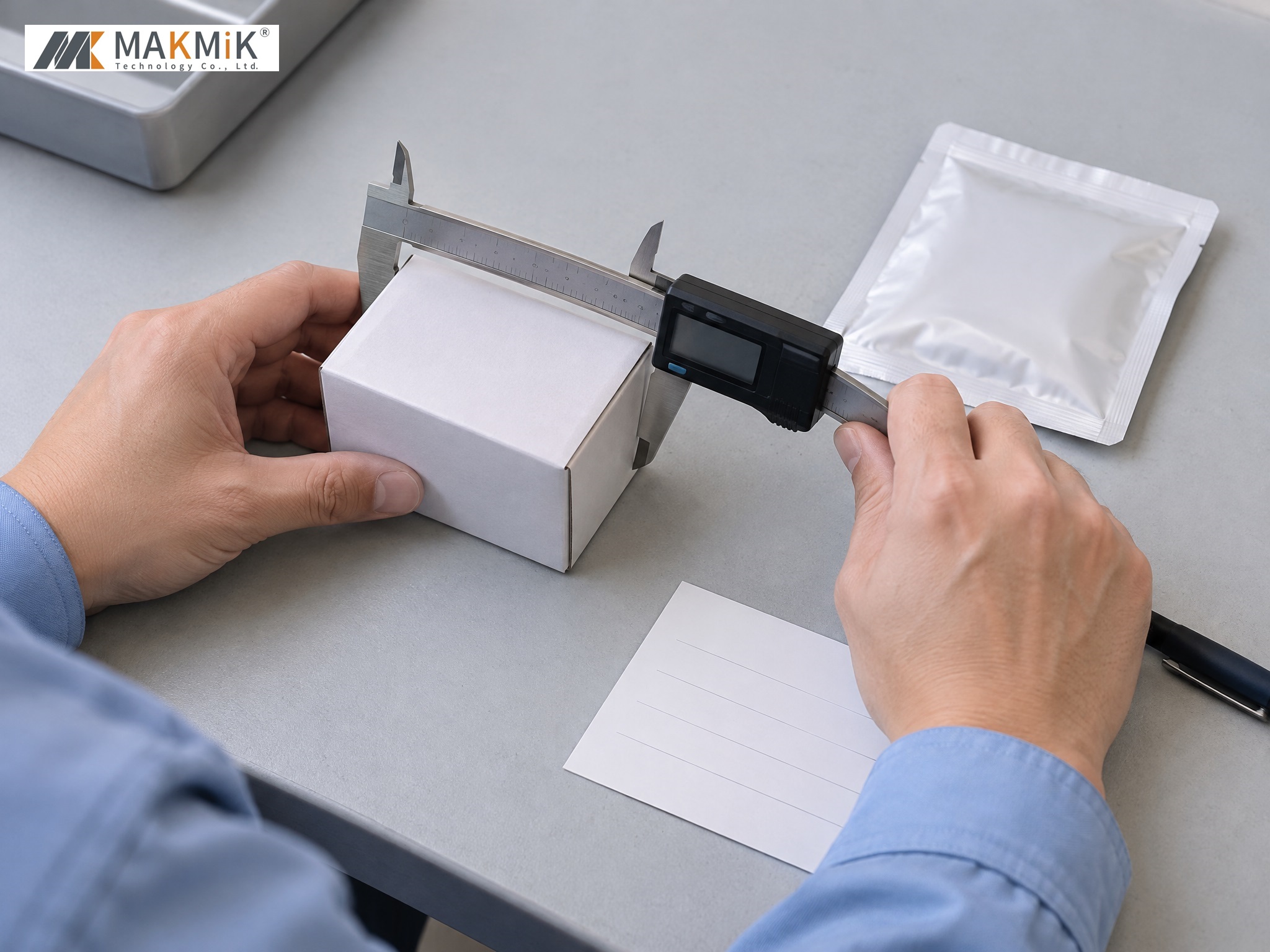
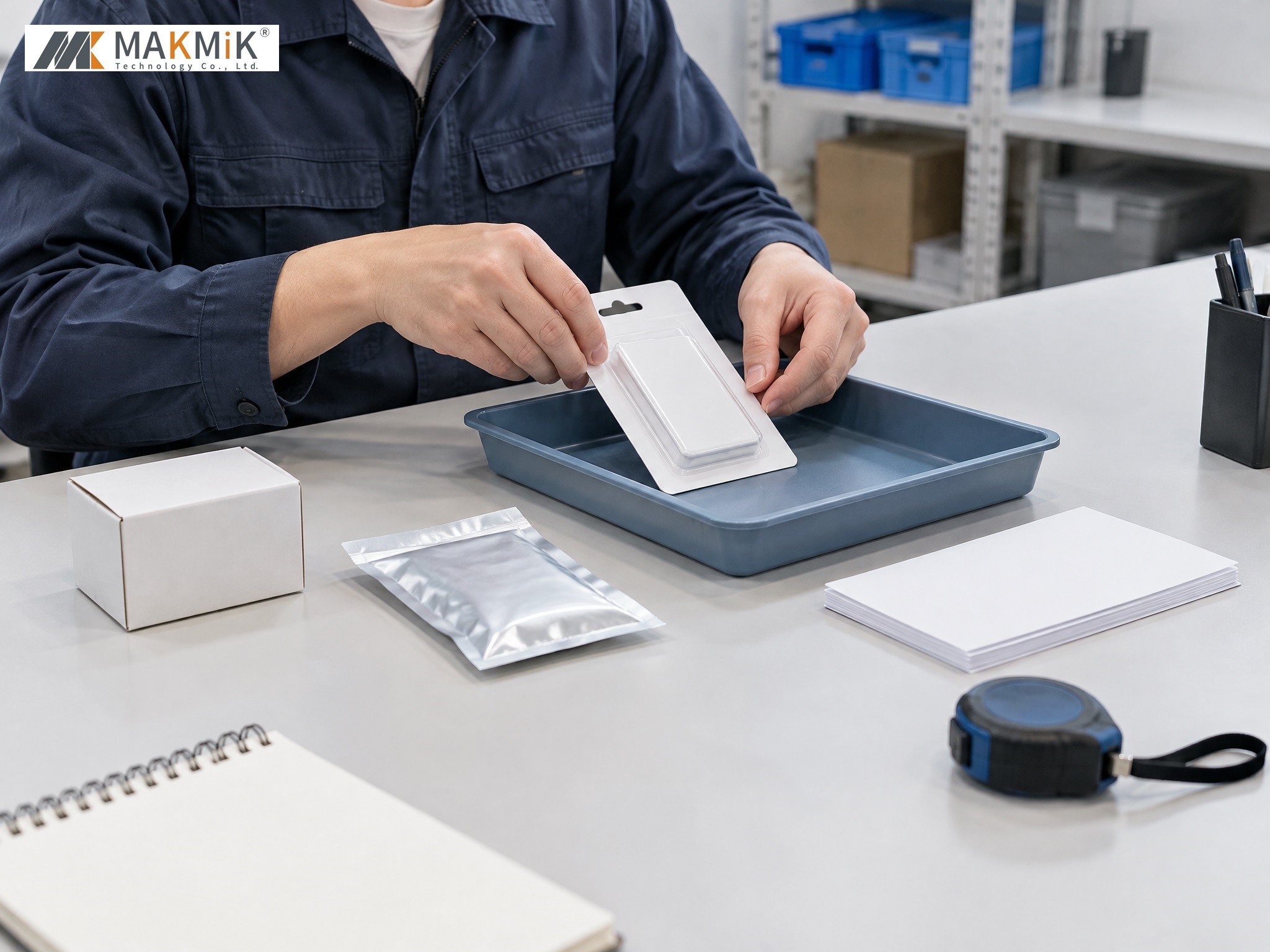
Compatibility must be judged against the actual sales packaging, not an abstract category. A publicly available AMS machine manual notes that products fitting too tightly or too loosely in a spiral lane can fail to vend, and requires test loading.[8] The manual covers a different machine type, but it establishes a necessary step: candidate products should pass real tests on the target machine, and similarity in appearance or size is not sufficient proof.
Pre-purchase technical discussions can be organized into the following acceptance checklist:
Tests should record samples, packaging condition, machine configuration, number of runs, and failure modes, with acceptance criteria agreed before purchase. A single vend demonstration does not represent long-term operation; any remote monitoring, automatic refund, or specific payment capability should be confirmed by actual configuration and verified results.
If products require different storage conditions, dispensing mechanisms, or mounting formats, the machine choice should change accordingly. Compact size can be a selection criterion, but it does not replace a full compatibility assessment.
6. Pilot Evaluation: Separate Demand, Transaction, and Service Issues
The goal of a pilot is to confirm whether one specific location can sustain a service — not to extrapolate scaled returns from short-term sales. Before launch, define the products under test, service hours, cost scope, and conditions for adjustment.
Track performance on three levels:
- Demand: customer inquiries, unit sales per product, actual in-stock time, and stock-outs — to judge product-venue fit.
- Transactions: payment failures, dispensing faults, refunds, and specification questions — to locate obstacles in the purchase process.
- Service: restocking visits, labor time, maintenance costs, and customer feedback — to measure the effort of sustained operation.
Low sales may reflect weak demand, but also poor placement, unclear information, or payment friction; high sales still require analysis of costs, refunds, and restocking effort. After changing products, position, or service arrangements, keep a change log and account for venue events and opening-hour shifts when reading results.
Only after demand, machine delivery, and service arrangements are verified at one location is it appropriate to evaluate additional sites. Replication should re-verify venue conditions rather than carry over the original location's revenue expectations.
Conclusion: Let Venue Needs Justify the Equipment Decision
Venue resources provide the starting point; product-demand fit builds the sales base; equipment and service arrangements determine whether the plan can run reliably.
For operators of hotels, sports venues, campuses, and cultural spaces, the opportunity in small-format vending lies in folding well-defined accessory needs or interest-driven purchases into existing services. Available wall space alone is not a sufficient purchasing reason; verifiable demand, a sound cost structure, and executable maintenance arrangements are what justify machine selection.
Confirm the venue's value first, organize products and services next, and choose the machine last. Grounding the configuration review in location, existing supply, actual product packaging, and installation details shifts equipment purchasing from simple price comparison to a judgment about fit with a concrete business plan.
Sources and Notes
[1] MEININGER: Bathroom amenities, Berlin East Side Gallery.
[2] Urban Sports Club: BEYOND Cburg; BECYCLE: Berlin Charlottenburg.
[3] Swansea University: student stationery vending venture.
[4] Luiss University Library: stationery vending machine.
[5] Syracuse University: art museum mini-print vending machine.
[6] Edge Hill University: updating vending products from feedback.
[7] Erasmus University: non-food vending machine service.
[8] AMS: test loading and configuration manual.
FAQ
What products can a small wall-mounted vending machine sell?
A compact non-refrigerated unit is suited to small, individually packaged, ambient-temperature products, such as travel essentials, fitness accessories, stationery, and personal care items. It is not suitable for drinks or any product that requires refrigeration. The right mix depends on the venue: product choices should follow what visitors actually do on site, and each candidate product should pass a loading and dispensing test in its real sales packaging before launch.
How do I know if my venue is suitable for a vending machine?
Start from demand rather than foot traffic alone. Review what visitors ask for at the front desk, which purchases are inconvenient during off-hours, and what existing services already provide. A venue is worth evaluating when there are activity-related needs, time gaps that nearby retail does not cover, and a wall or floor position that staff can restock safely. If current free supplies or front-desk sales already meet the need, adding a machine may simply shift existing sales.
Do I need staff to operate a small vending machine?
Automated selling still requires management. Someone must check stock, restock products, keep the unit clean, handle jammed or failed vends, and process refund requests. Before installation, operators should assign these responsibilities — either to on-site staff or to a vending operator under an agreed schedule — and confirm who answers customer issues. A machine without a clear service owner usually ends up out of stock or out of order.
What costs should I consider besides the machine itself?
A realistic per-location estimate includes product cost, venue rent or revenue share, payment processing fees, restocking time and travel, maintenance, product loss, and the initial machine investment. Sales revenue is not profit. Reviewing these items against expected sales during a trial period is the most reliable way to judge whether a location can sustain the business.
How should I test a vending location before scaling up?
Begin with one venue and a small product set. Confirm the placement agreement, load tested products, and run the machine for a defined trial period. Record sales by product, stock-out frequency, failed vends, and customer feedback, then adjust the mix or service schedule based on what the data shows. Expand to more locations only after the first site runs stably and the per-location economics are clear.
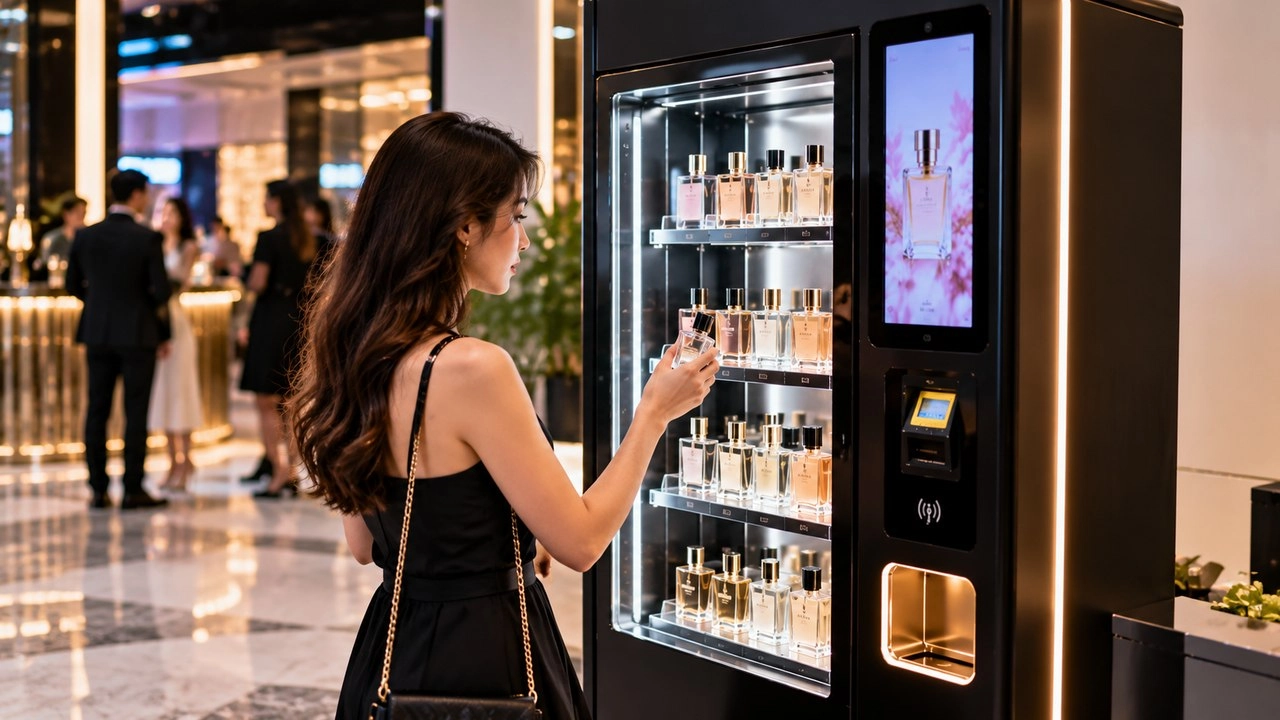
Perfume Vending Machine Fragrance Assortment Planning: Local Demand, Nozzle Capacity and Product Rotation
Perfume Vending Machine Payment Reconciliation: Sales, Refunds and Venue Revenue Share
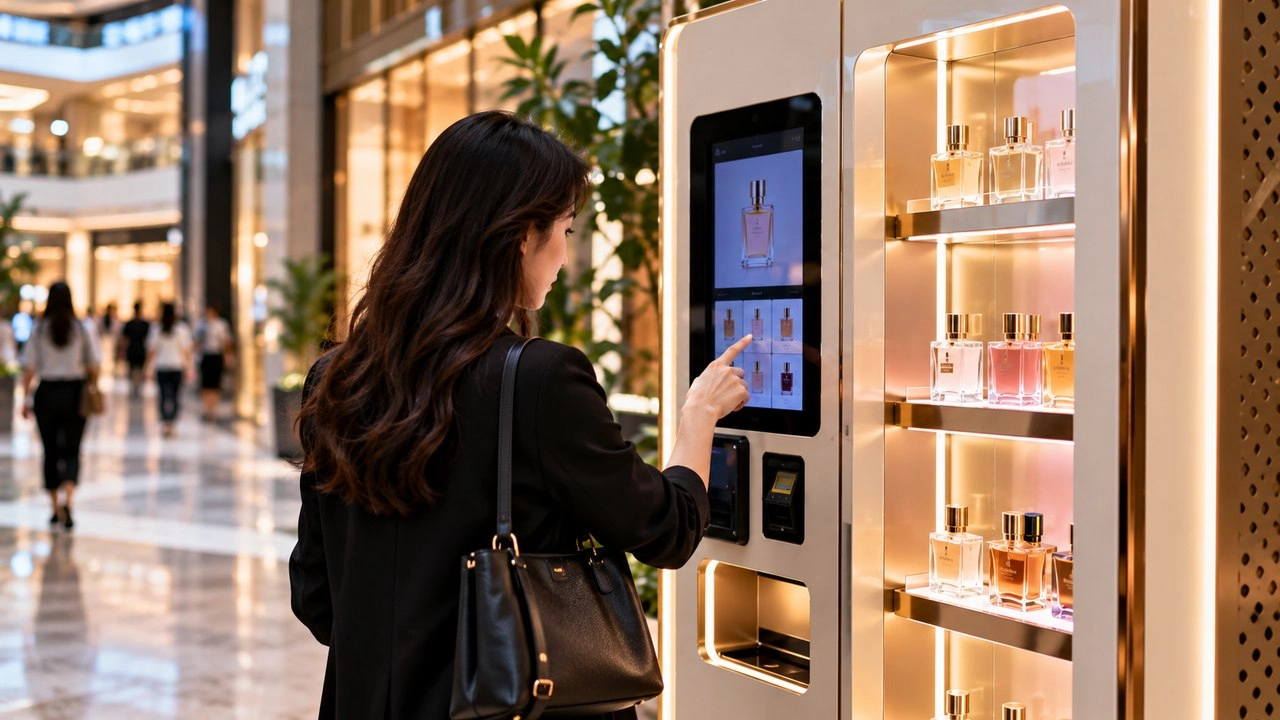
Perfume Vending Machine Site Performance: When to Relocate an Underperforming Machine
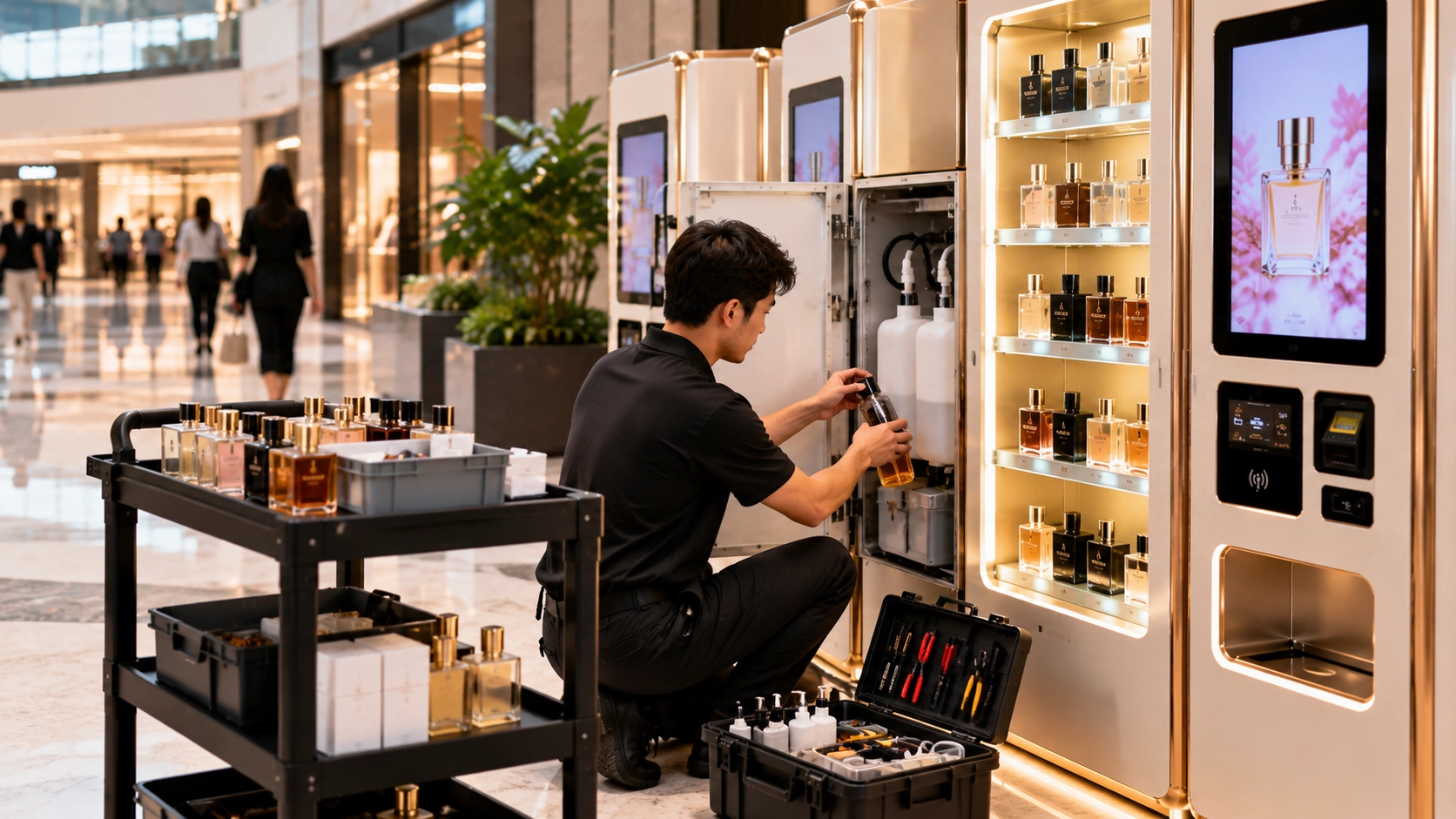
Perfume Vending Machine Refill Route Planning: Labor Costs, Inventory and Stockouts
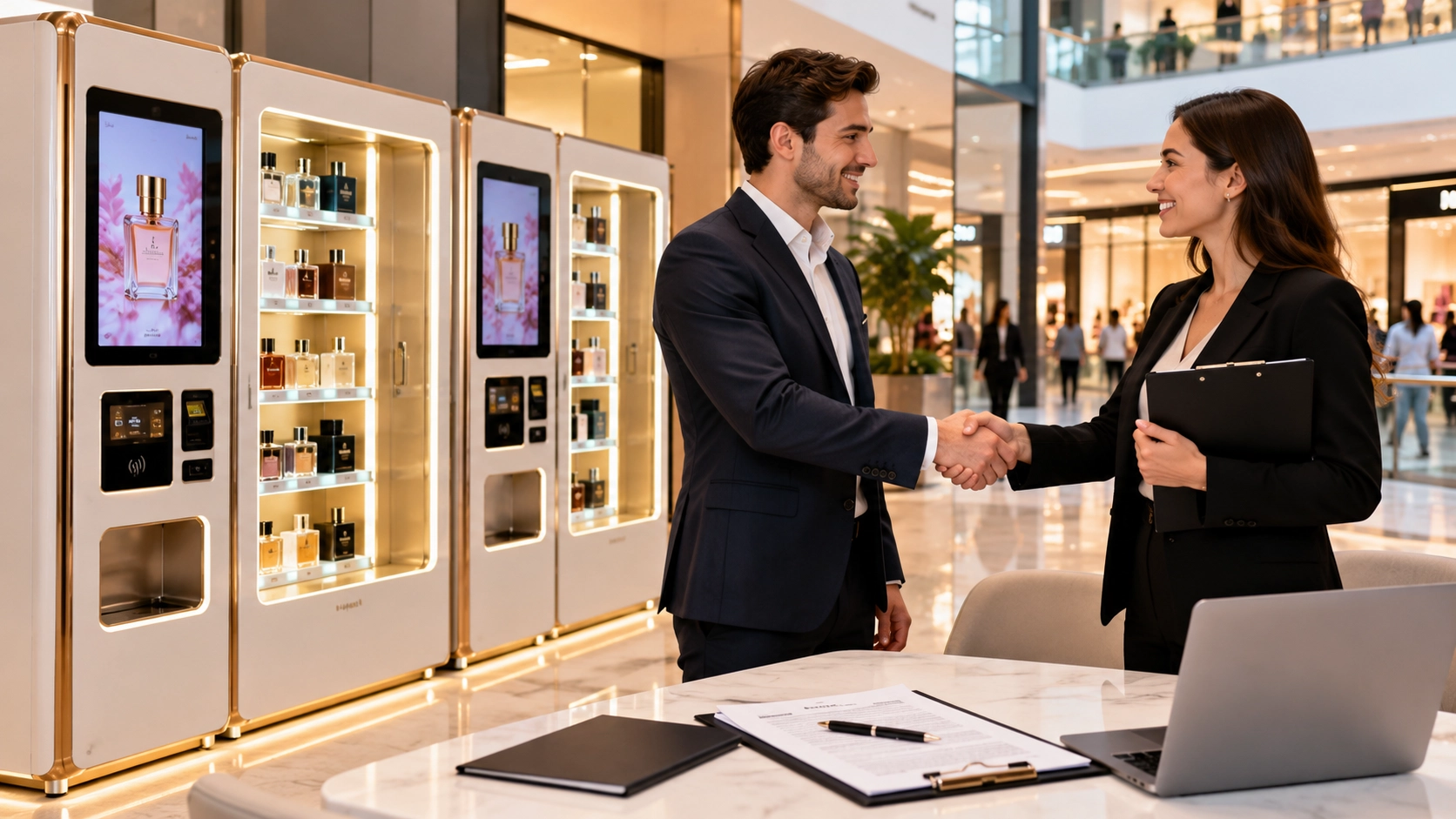
Perfume Vending Machine Location Agreement Checklist: Rent, Revenue Share and Site Access
FAQ
How do you ensure the quality of your vending machines?
We adhere to strict quality control processes and use high-quality materials and components to ensure durability and reliability.
What types of vending machines do you manufacture?
We manufacture a wide range of vending machines, including snack, beverage, combo, fresh food, and specialty vending machines.
Do you provide installation and maintenance services?
Yes, we offer comprehensive installation and maintenance services to ensure your vending machines operate smoothly.
How can I monitor and manage my vending machines remotely?
Our vending machines come with advanced telemetry systems that allow remote monitoring and management through a web-based platform or mobile app.
Distributor
What types of vending machines do you manufacture?
Our extensive catalog includes snack, beverage, combo, fresh food, customized specialty vending machines, and more.


Send my request
Connect with us to schedule a consultation, request samples, or arrange a site visit to see our facilities and capabilities firsthand.
Reach out to us via phone, email, or through the contact form below, and we'll get back to you promptly within 24 hours.
Social Media:
© 2026 MAKMIK | All Rights Reserved.
Facebook
Linkedlin
YouTube
Instagram