






Integrating Multi-Payment Systems into Your Vending Business: The Ultimate 2026 Guide
- What is a Multi-Payment System in Vending?
- Key Takeaways: Why Go Cashless in 2026?
- The Core Technologies: Understanding MDB, DEX, and Telemetry
- How to Integrate Payment Systems into Niche Vending Machines
- The MAKMIK Advantage: Factory-Integrated Smart Vending Solutions
- Expert Tips & Common Mistakes in Payment Integration
- Conclusion
- FAQs About Integrating Multi-Payment Systems into Your Vending Business
- What are the best payment systems for vending machines?
- How much does a vending machine card reader cost?
- What is the MDB protocol in vending?
- How do you set up Apple Pay on a vending machine?
- What are the transaction fees for cashless vending?
- Can I retrofit an old vending machine with a card reader?
- How do multi-payment systems increase vending sales?
- Are smart vending machines secure against fraud?
In 2026, Integrating Multi-Payment Systems into Your Vending Business is no longer a luxury—it is a critical requirement for survival and growth in the highly competitive unmanned retail sector. As consumer preferences shift exclusively toward digital wallets, biometric payments, and tap-to-pay functionality, operators must proactively pivot their strategies. Upgrading your machines with cashless vending machine card readers not only caters to modern tech-savvy buyers but dramatically increases overall revenue and operational efficiency across your entire fleet. This comprehensive guide covers everything from foundational communication protocols to specialized niche machine integrations, providing you with actionable insights to future-proof your unattended retail operations.
What is a Multi-Payment System in Vending?
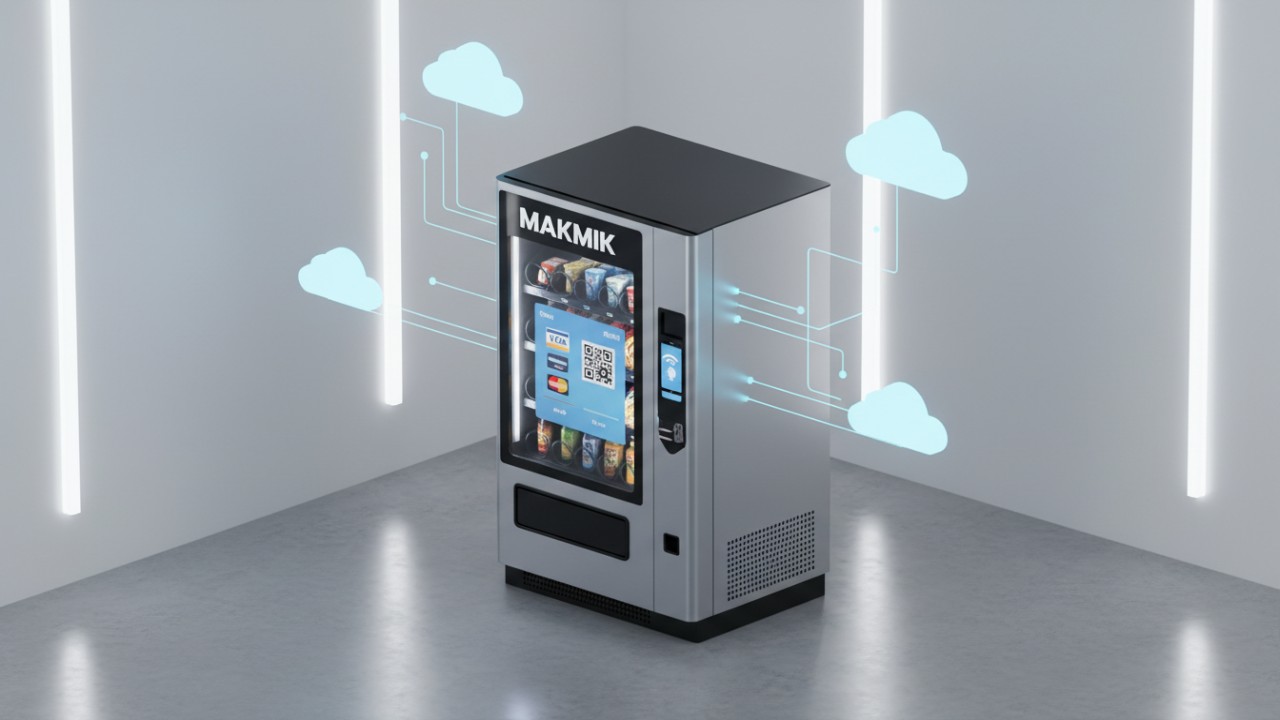
A multi-payment system in vending is an integrated hardware and software solution that allows machines to accept diverse payment methods. This includes traditional cash, EMV credit cards, NFC contactless taps, mobile wallets (Apple Pay, Google Pay), and QR codes, all connected via secure cloud telemetry.
Integrating these unattended contactless payment terminals directly impacts your bottom line by reducing the friction of requiring exact change. By bridging the gap between legacy coin mechanisms and modern digital wallets, operators can capture impulse buys that would otherwise be permanently lost to passing foot traffic. Modern customers expect a frictionless retail experience, and your vending machines must meet that standard.
- Omnichannel Payment Acceptance: Empowers your machines to accept diverse global and local payment methods, ensuring no customer walks away due to a lack of payment options.
- Immediate Revenue Impact: Removing the physical friction of payment leads directly to increased impulse buys, particularly in high-traffic areas like airports and malls.
- Unified Digital Reporting: Consolidates both cash and cashless sales into a single, easy-to-read dashboard for comprehensive financial tracking.
- Future-Proofing Your Fleet: Upgrading your infrastructure bridges the gap between old hardware mechanisms and the rapidly evolving modern payment ecosystem.
Key Takeaways: Why Go Cashless in 2026?
Going cashless in 2026 is an undeniable shift driven by consumer demand for tap-and-go convenience and the rapid decline of physical currency in unattended retail environments. Upgrading to multi-payment solutions fundamentally optimizes real-time inventory tracking and overall operational efficiency.
The expectation for rapid, frictionless transactions has never been higher. Machines that only accept coins and bills are increasingly ignored by modern consumers, leading to stagnant sales and degraded brand perception.
- Quick Summary: The transition from cash-only to fully digital vending fleets is the defining trend of 2026. If your machine cannot process a digital wallet, it is virtually invisible to the majority of younger shoppers.
- ROI Expectations: Integrating cashless capabilities is an investment with an immediate return. Operators typically see overall sales increase by 20% to 40% in the first quarter following installation.
- Consumer Trends: The absolute dominance of tap-and-go technology means physical currency is becoming obsolete. Cashless is the new default.
- Operational Efficiency: Utilizing smart vending IoT telemetry, operators can leverage real-time inventory syncing through digital transaction data. This dictates exact route planning, reducing wasted fuel and preventing out-of-stock scenarios.
The Core Technologies: Understanding MDB, DEX, and Telemetry
MDB (Multi-Drop Bus) is the universal communication protocol connecting payment readers to the machine's logic board, while DEX securely transmits digital sales data. Together with telemetry, they sync real-time payment data directly with your vending management software.
To successfully navigate MDB and DEX protocols vending, operators and technicians must understand the digital architecture powering their machines.
- MDB Protocol Basics: The Multi-Drop Bus serves as the universal language connecting your payment reader, coin mechanism, and bill validator to the machine's main Vending Machine Controller (VMC). It is the standardized backbone that allows cross-brand compatibility.
- DEX Data Transfer: Data Exchange Uniform Code (DEX) dictates how digital sales data is securely transmitted and extracted for accounting and inventory purposes, ensuring every single transaction is logged accurately.
- Telemetry and VMS: By syncing live payment data, seamless vending management software integration allows operators to remotely monitor machine health, track sales velocity in real-time, and manage inventory levels from a smartphone or desktop.
- Network Connectivity: The rapid processing of transactions relies entirely on high-speed cellular networks, utilizing stable LTE, 5G, and secure cloud gateways to ensure payments are approved in seconds.
How to Integrate Payment Systems into Niche Vending Machines
Integrating payment systems into niche vending machines requires specialized hardware and pre-authorization capabilities to handle high-ticket items securely. For premium products like cosmetics or electronics, the system must digitally hold funds before dispensing to prevent mechanical revenue loss.
Moving beyond traditional snacks and sodas introduces complex payment requirements. Niche vending machines demand highly specialized software configurations to protect operator margins.
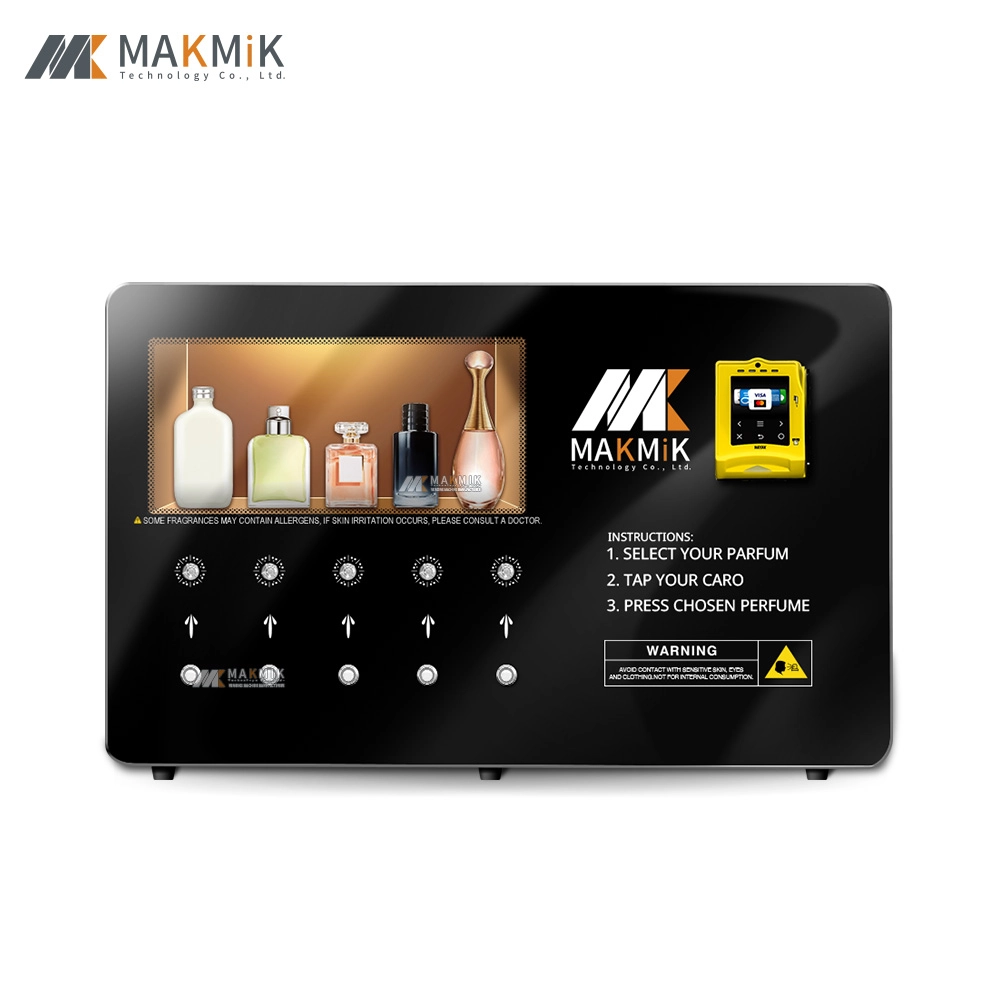
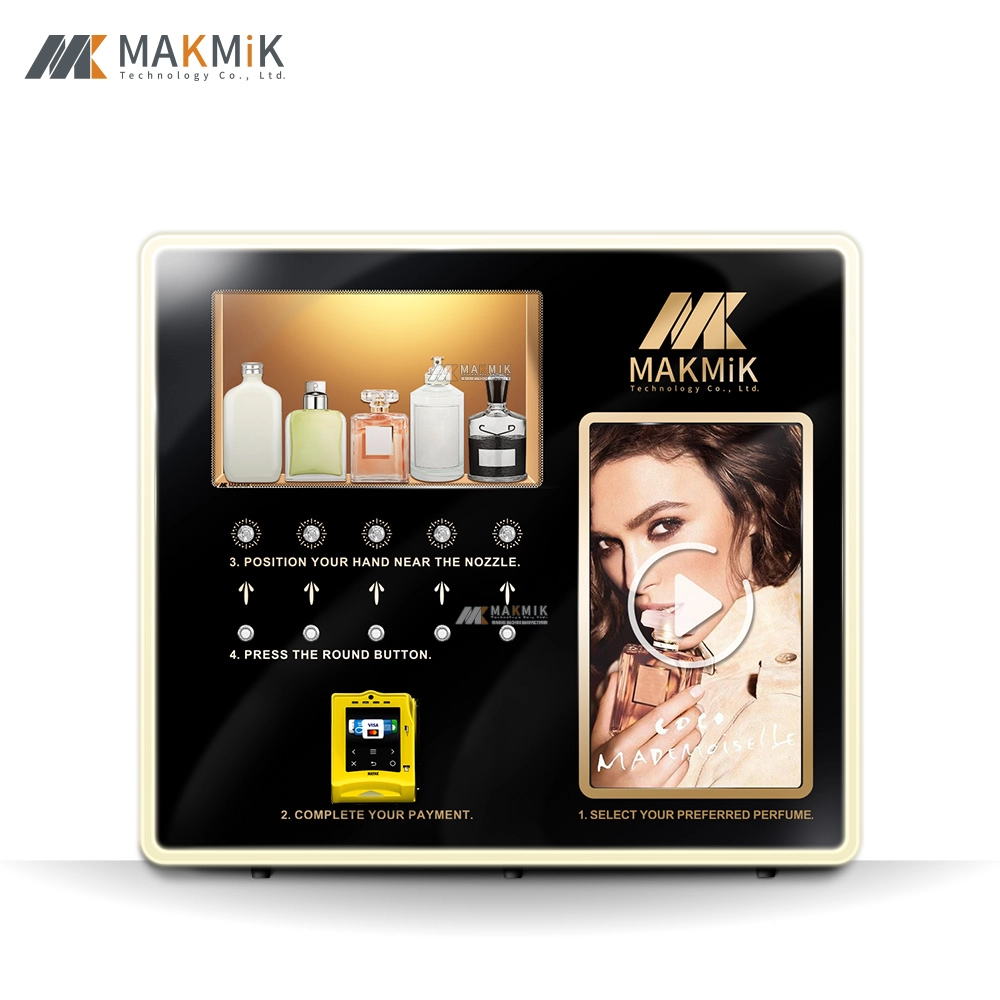
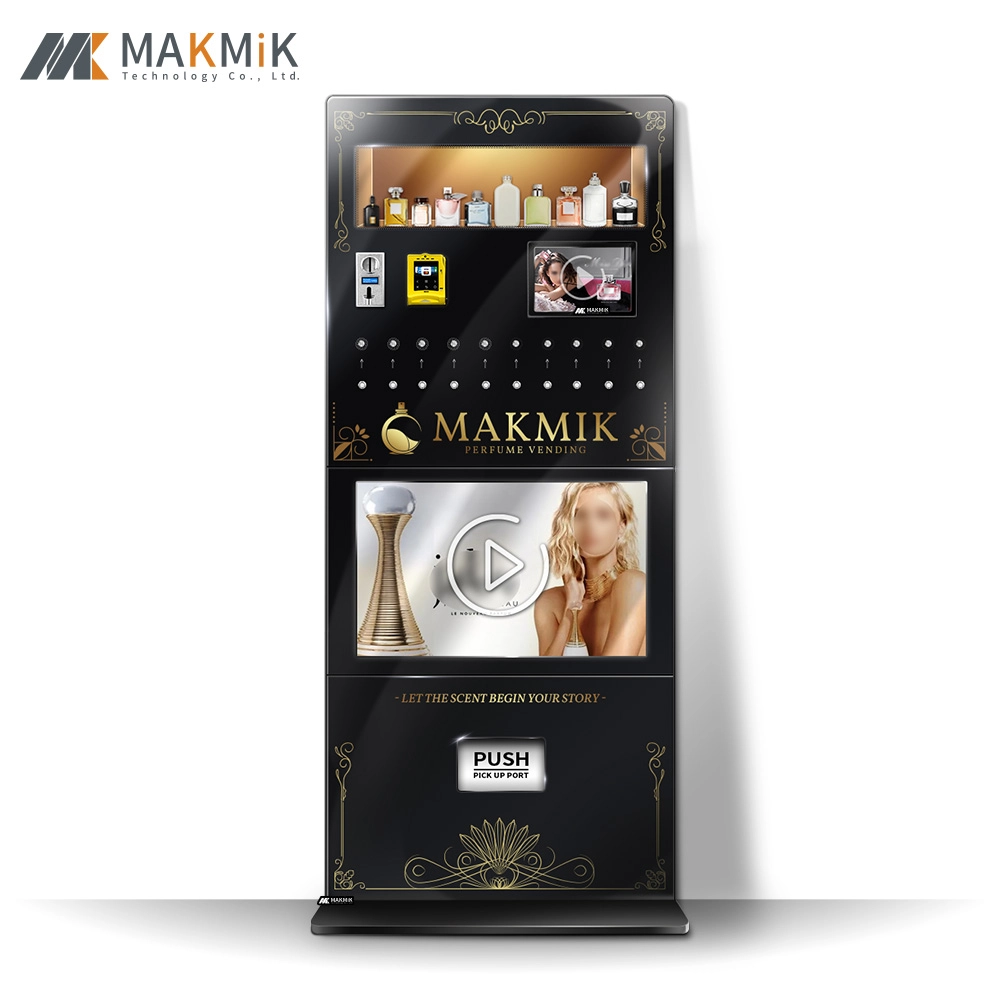
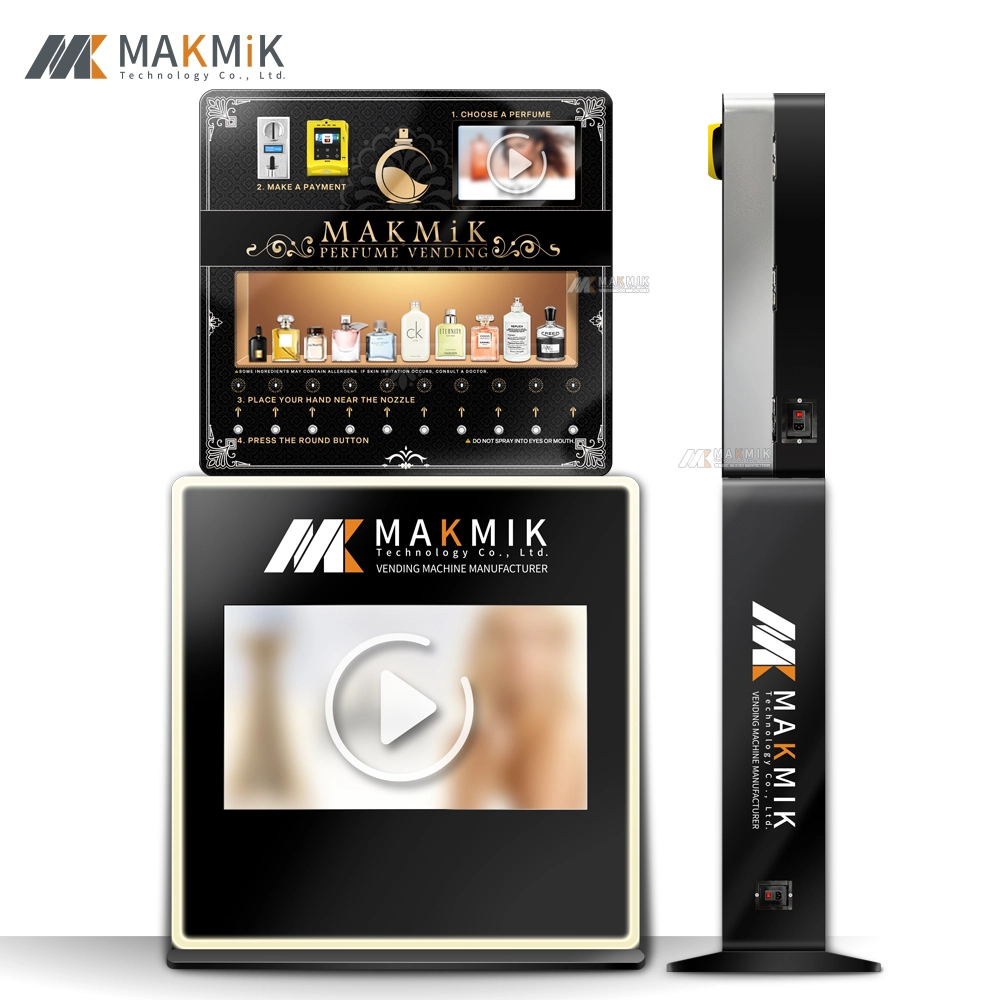
- Perfume and Beauty Vending: Securing credit card pre-authorizations is critical for premium product dispensing. By leveraging Smart Perfume Vending Technology, operators can confidently vend high-end fragrances without the risk of failed transactions or product loss.
- Fresh Food Machines: Digital payments enable dynamic inventory management. Operators can integrate expiration date tracking with promotional pricing, automatically applying discounts to fresh food items via the digital terminal as they near their sell-by date.
- Custom App Development: Utilizing advanced APIs allows software developers to build closed-loop digital loyalty systems. This is exceptionally effective for corporate micro-markets where employees use a dedicated company wallet or ID badge to purchase items.
The MAKMIK Advantage: Factory-Integrated Smart Vending Solutions
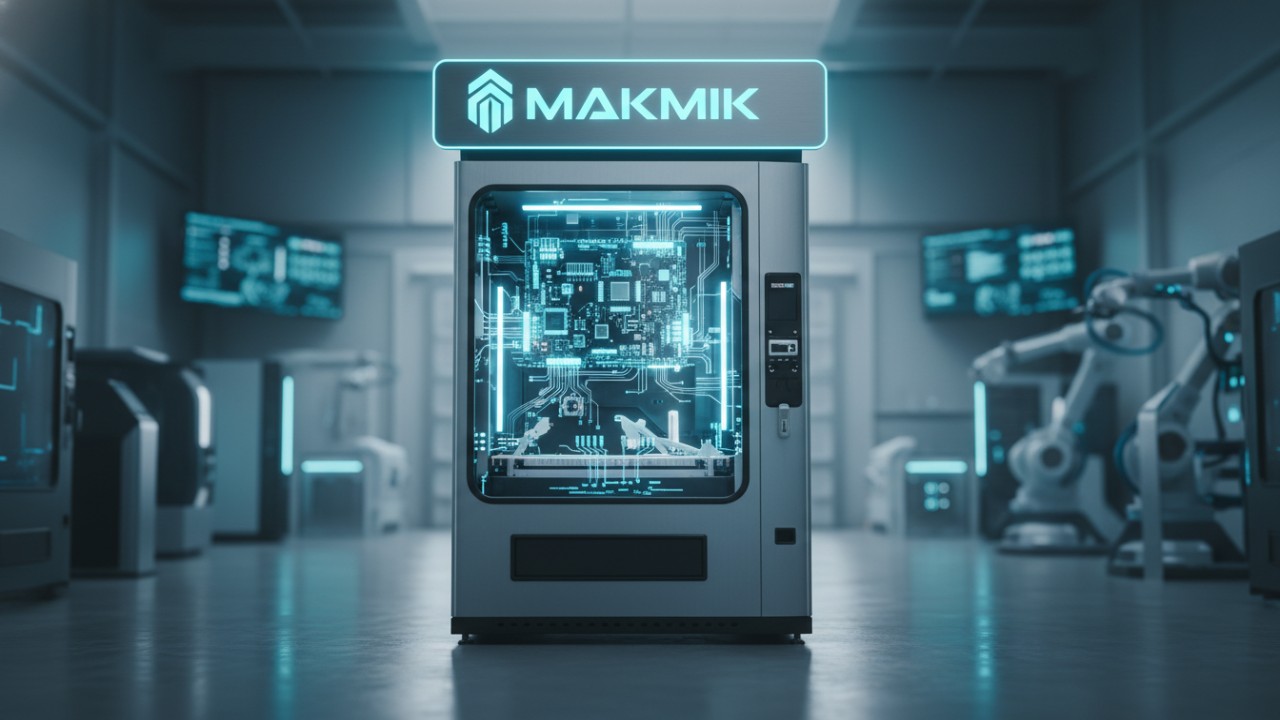
Factory-integrated smart vending solutions offer superior reliability compared to aftermarket retrofitting because the IoT telemetry and payment modules are engineered harmoniously into the machine's core logic board during the initial manufacturing process.
Purchasing a machine with built-in, native telemetry is vastly superior to patching together third-party components. As a high-tech enterprise, MAKMIK provides exactly this level of seamless, native integration.
- Industry Leading Solution: Our factory-integrated modules eliminate the bugs, latency, and communication errors commonly associated with aftermarket retrofitting. You receive a machine that works perfectly on day one.
- 10+ Years of R&D: With over a decade of dedicated production experience in the Internet of Things and unmanned retail industries, our automated assembly lines, laser cutting machines, and CNC machining centers ensure flawless hardware and software harmony.
- Specialized Machine Support: We provide tailored multi-payment integration on our signature perfume spray, beauty, beverage, and fresh food vending machines. This process is meticulously supported by our team of more than 300 skilled technical workers.
- Global Leader Vision: Operating from a massive 20,000 square meter facility capable of producing thousands of machines annually, we adhere to extremely strict quality control standards to deliver future-proof payment technology.
| Feature | Factory-Integrated IoT (MAKMIK) | Aftermarket Retrofit Card Readers |
|---|---|---|
| Hardware Harmony | 100% Native MDB/DEX integration | Prone to firmware compatibility issues |
| Installation Time | Pre-installed, ready out of the box | Requires manual wiring and logic board updates |
| Security & Build | CNC-machined, tamper-proof design | Surface-mounted, vulnerable to skimming |
| Telemetry Network | Built-in smart vending IoT telemetry | Requires third-party modems and subscriptions |
| Aesthetics | Flush, modern, and branded appearance | Bulky add-on hardware |
Expert Tips & Common Mistakes in Payment Integration
A critical mistake in payment integration is ignoring hidden transaction fees and monthly telemetry costs, while a vital best practice is ensuring your hardware meets strict global data security standards to protect both your business and your consumers.
The hardware and software you select must be scrutinized beyond its initial purchase price to ensure long-term profitability.
- Common Mistake: Failing to calculate the true total cost of ownership. Operators often ignore hidden transaction fees and monthly cellular telemetry costs when choosing a provider, which can quickly destroy profit margins on low-cost micro-transactions.
- Expert Tip: Always ensure your card reader hardware complies strictly with the Payment Card Industry Data Security Standard (PCI DSS) and is EMV certified. This guarantees that cardholder data is protected with strong cryptography during transmission.
- Experience Factor: Routinely test your hardware in low-signal areas before a full fleet deployment. A sophisticated card reader cannot process a mobile wallet transaction if the 5G signal is heavily blocked by a building's dense architecture.
- Hardware Security: Proactively safeguard against malicious skimming devices on unattended machines by utilizing end-to-end encryption and visually inspecting the physical card slots during routine restocking visits.
Conclusion
Integrating multi-payment systems—from NFC to QR codes via MDB protocols—is no longer optional; it is the absolute foundation of a profitable 2026 vending business. By shifting away from cash-only operations, operators are unlocking new revenue streams, catering to modern consumer demands, and utilizing deep data analytics to refine their inventory management. Upgrading to smart, factory-integrated machines drastically reduces mechanical maintenance headaches, actively secures sensitive consumer data, and significantly boosts bottom-line revenue by capturing every possible impulse sale.
Contact Us at MAKMIK today to explore our advanced IoT vending solutions.
FAQs About Integrating Multi-Payment Systems into Your Vending Business
What are the best payment systems for vending machines?
Top systems include Nayax, Cantaloupe, and factory-integrated IoT solutions from advanced manufacturers like MAKMIK. The best system heavily depends on your machine's exact MDB compatibility and whether you specifically need mobile wallet support for modern consumers.
How much does a vending machine card reader cost?
Aftermarket card readers typically cost between $250 and $400 upfront for the hardware itself. However, operators must also account for recurring monthly telemetry fees (approx. $8-$10) and ongoing transaction percentages that impact profitability.
What is the MDB protocol in vending?
MDB (Multi-Drop Bus) is the established standard communication protocol in the global vending industry. It effectively allows the machine's main controller to talk seamlessly to coin mechanisms, bill validators, and modern cashless card readers.
How do you set up Apple Pay on a vending machine?
You need to install an NFC-enabled (Near Field Communication) contactless card reader. Once this reader is integrated via the MDB port and activated through an approved merchant gateway, it automatically accepts Apple Pay, Google Pay, and other digital wallets.
What are the transaction fees for cashless vending?
Fees generally range from 5% to 6% for micro-transactions under $2. Some providers use a blended rate (e.g., 5.95% + $0.05 per swipe) depending on the specific payment processor and the monthly volume of the machine.
Can I retrofit an old vending machine with a card reader?
Yes, provided the old machine's internal control board supports the MDB protocol. If the machine only supports older interfaces (like Micromech), a logic board upgrade or a specialized conversion kit is strictly required before installation.
How do multi-payment systems increase vending sales?
They entirely remove the friction of requiring exact change, which heavily encourages on-the-spot impulse buys. Cashless systems also safely enable higher-ticket purchases, such as premium beauty cosmetics or luxury perfume products.
Are smart vending machines secure against fraud?
Modern smart vending machines use EMV chips, end-to-end encryption, and stringent PCI DSS compliance to secure all transactional data. Furthermore, factory-integrated machines from trusted providers like MAKMIK also feature tamper-proof industrial designs to prevent physical skimming.
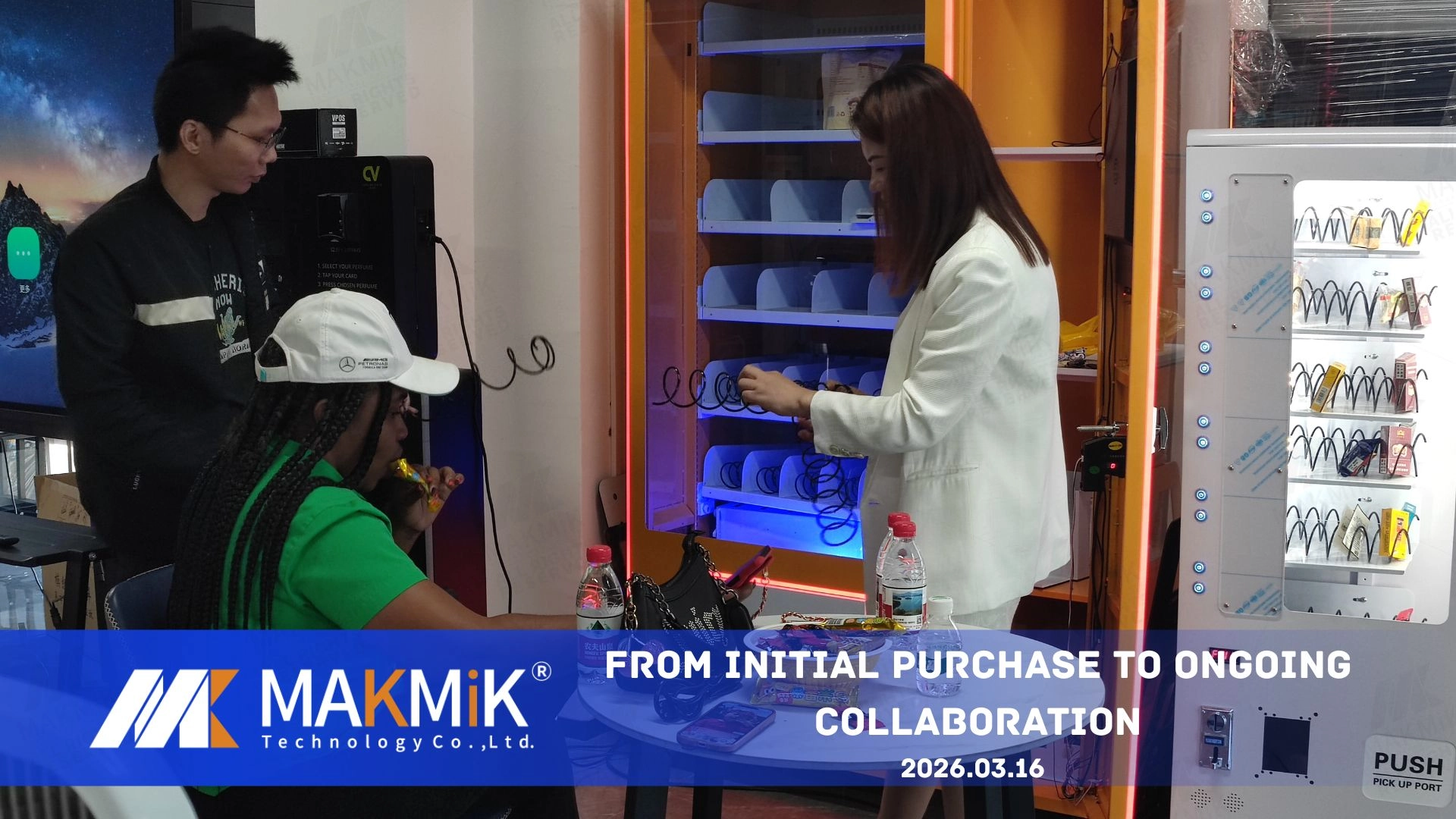
MAKMIK NEW | US Vending Machine Distributor Revisits MAKMIK to Explore New Products and Procurement Opportunities
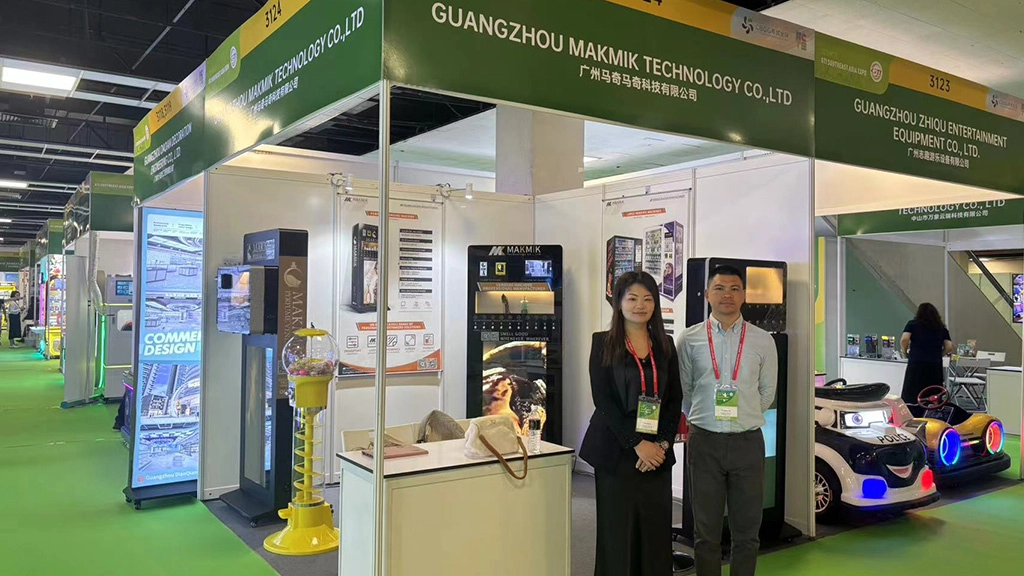
MAKMIK Global Exhibition Highlights Before 2025: Leading Smart Retail Solutions Showcase.
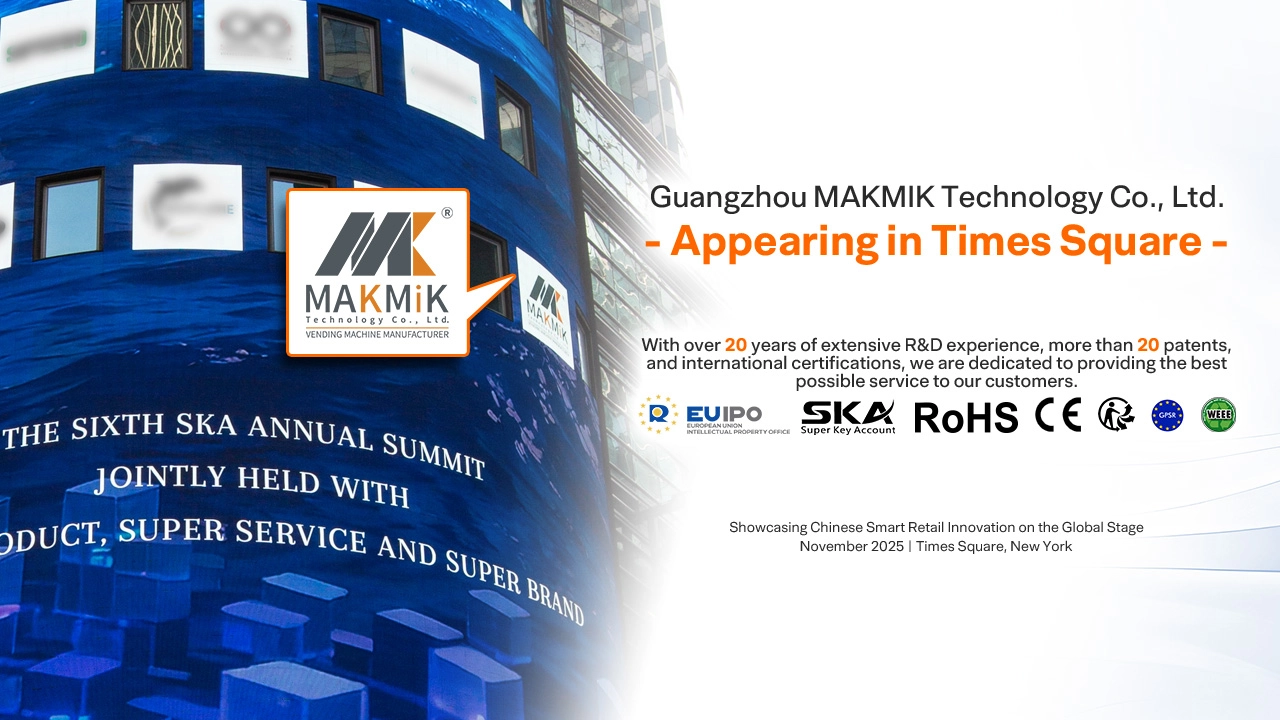
Guangzhou Makmik Technology Co., Ltd. Shines on Nasdaq Times Square Billboard, Elevating Global Brand Presence.
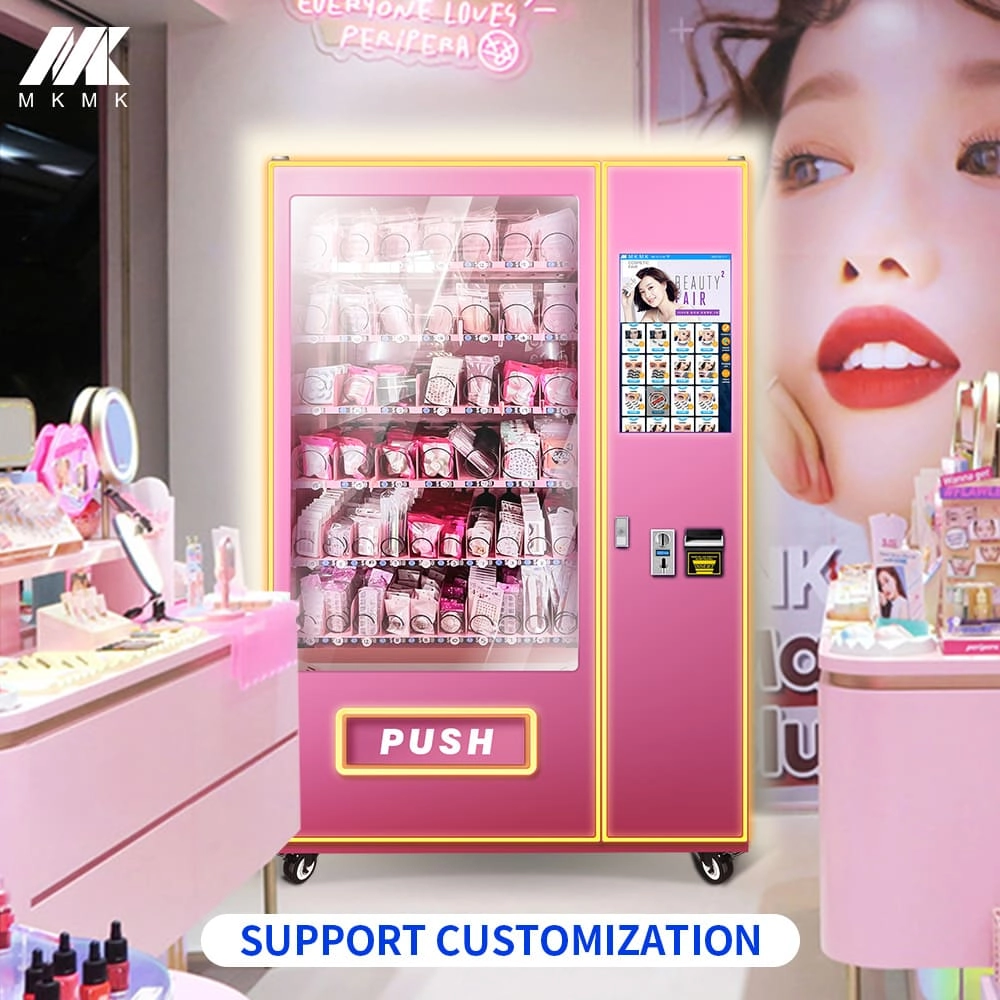
Top 10 Best-Selling Products in Smart Beauty Vending Machines
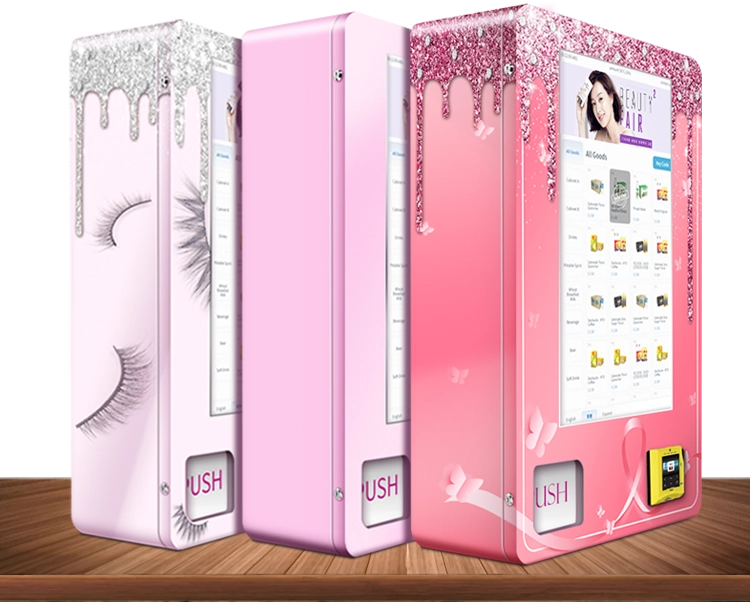
Smart Beauty Vending Machine Trends in 2025: What You Need to Know
FAQ
How do you ensure the quality of your vending machines?
We adhere to strict quality control processes and use high-quality materials and components to ensure durability and reliability.
How can I monitor and manage my vending machines remotely?
Our vending machines come with advanced telemetry systems that allow remote monitoring and management through a web-based platform or mobile app.
What kind of technical support do you offer?
We provide 24/7 technical support, including troubleshooting, repair services, and remote assistance to resolve any issues promptly.
What is the lead time for manufacturing and delivery?
Lead times vary based on the type and quantity of vending machines ordered, but we strive to deliver within 6-8 weeks from the date of order confirmation.
Do you provide installation and maintenance services?
Yes, we offer comprehensive installation and maintenance services to ensure your vending machines operate smoothly.
Send my request
Connect with us to schedule a consultation, request samples, or arrange a site visit to see our facilities and capabilities firsthand.
Reach out to us via phone, email, or through the contact form below, and we'll get back to you promptly within 24 hours.
© 2025 MAKMIK | All Rights Reserved.
Facebook
Linkedlin
YouTube
Instagram