

Cosmetic Vending Machine Business: Start & Succeed
How to Start and Grow a Profitable Cosmetic Vending Machine Business
Breaking into the cosmetic vending machine business combines retail innovation with consumer demand for convenience and accessibility. If you’re considering launching this enterprise, it’s crucial to understand the key questions and steps surrounding this unique opportunity.
What Is a Cosmetic Vending Machine Business?
- Definition:
Automated retail systems that dispense beauty and personal care products—including skincare, cosmetics, haircare, and accessories—at high-traffic locations without the need for on-site staff.
- Common locations:
Shopping malls, airports, gyms, hotels, college campuses, and transit hubs.
Reference: Vending Market Watch, Statista.
How Much Does It Cost to Start a Cosmetic Vending Machine Business?
- Initial Machine Purchase:
$3,000–$20,000 per unit depending on features (touchscreen, cashless payment, remote management, refrigeration, etc.).
- Product Inventory:
$2,000–$6,000 based on brand and SKU variety.
- Licensing & Permits:
Typically $100–$500 per location (varies by state/municipality).
- Site Rental Fees:
$100–$1,000/month depending on location and foot traffic.
- Insurance:
$200–$700/year for liability coverage.
- Estimated Total Startup:
$5,000–$30,000+ for a single machine installation.
Reference: Small Business Administration, Vending Times.
Are Cosmetic Vending Machines Profitable?
- Profit Margins:
Averaging 20%–40% after costs depending on product pricing and location.
- Revenue Factors:
- High-demand, trendy brands or niche products
- Prime locations with extended hours/access
- Remote management capability (inventory tracking, digital payments)
- Case Studies:
Some high-traffic mall machines generate $500–$2,500/month in gross sales (source: Forbes, Vending Market Watch).
Where Is the Best Place to Install a Cosmetic Vending Machine?
- Prime Locations:
- Airports and major transit stations
- Upscale shopping centers or department stores
- College/university campuses
- Fitness centers and spas
- Large hotels and convention centers
- Key Considerations:
- High foot traffic and visibility
- Proximity to target demographic (e.g., women aged 16–45)
- Minimal direct competition
Reference: IBISWorld, Statista.
What Cosmetics and Brands Sell Best in Vending Machines?
- Popular Products:
- Lip balms and lipsticks
- Face masks and mini skincare kits
- Hand sanitizer and facial tissues
- Travel-sized makeup removers, foundations, and mascara
- Hair ties and styling products
- Best-Performing Brands:
- Established: Maybelline, L’Oréal, Neutrogena
- Indie/Trendy: Glossier, E.L.F., Korean beauty brands (e.g., Innisfree)
- Tips:
- Focus on travel-size, impulse-buy items
- Mix well-known with trending indie brands for broader appeal
Reference: Retail Dive, The Cut.
What Legal Requirements and Permits Are Needed?
- Business License:
Operate as an LLC or sole proprietorship.
- Sales Tax Permit:
Required for collecting state sales tax.
- Health/Safety Codes:
If offering skincare or liquid products, local health department compliance may be needed.
- Location Agreements:
Signed agreements with property owners/hosts outlining placement, maintenance, and revenue share (if any).
Reference: U.S. Small Business Administration.
How to Maintain and Restock a Cosmetic Vending Machine?
- Inventory Tracking:
Use vending software for real-time monitoring and low-stock alerts.
- Restocking Frequency:
Every 1–2 weeks, adjusted for sales velocity and location.
- Cleaning:
Wipe down machine surfaces and displays to maintain hygiene and appeal.
- Technical Maintenance:
Schedule periodic checks to prevent mechanical issues and ensure payment systems function smoothly.
Reference: Vending Market Watch.
How Can I Market My Cosmetic Vending Machine Business?
- Engaging Digital Presence:
Launch Instagram and TikTok accounts showcasing product drops and machine locations.
- Location Partnerships:
Collaborate with local gyms, hotels, and malls for joint promotions.
- Seasonal Campaigns:
Adjust product mix for holidays or travel periods.
- Loyalty/Rewards Programs:
Encourage repeat visits with digital rewards or discounts.
Reference: Forbes, Hootsuite.
In summary, starting a cosmetic vending machine business involves careful planning, location scouting, product selection, and compliance with legal requirements. Success hinges on understanding market trends, consumer preferences, and logistical management, ensuring a seamless and profitable operation. For those ready to capitalize on the future of beauty retail, now is the time to act.
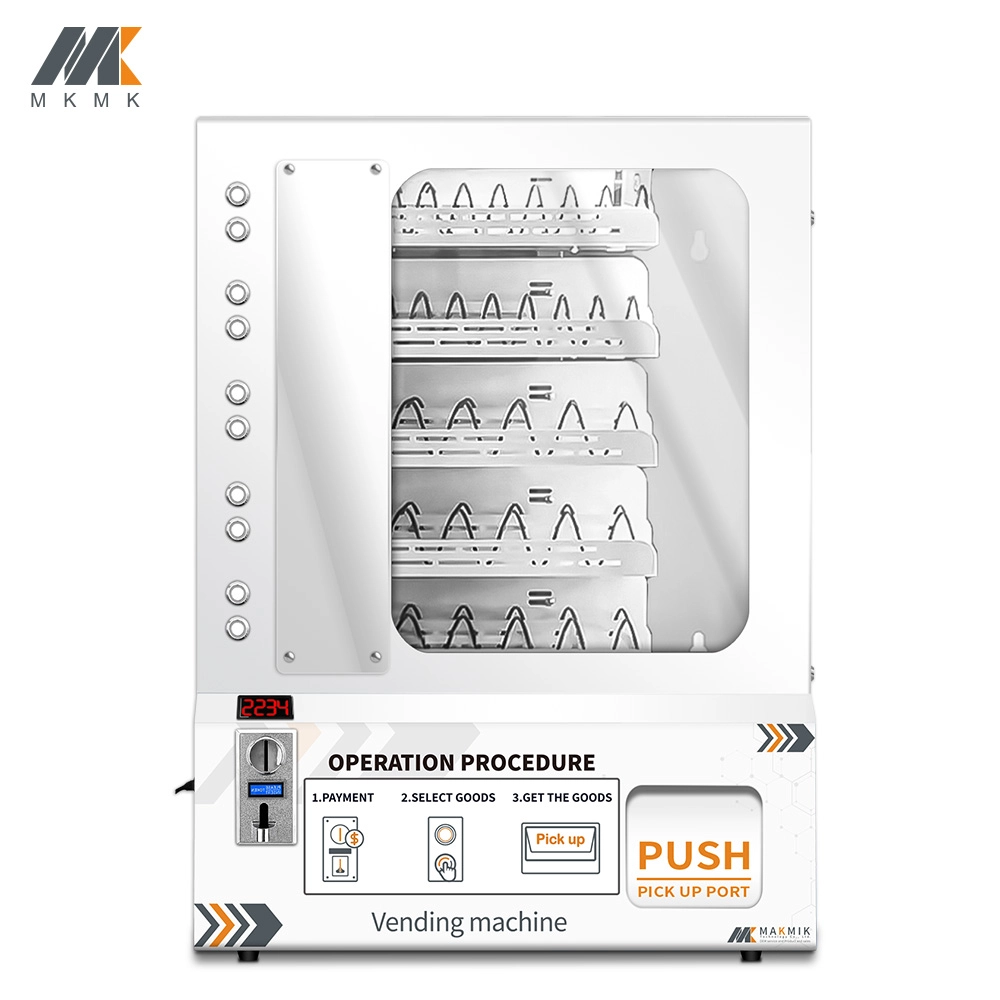
Discover the convenience of MAKMIK's small vending machines for sale. Perfect for compact spaces, these machines provide reliable service and easy maintenance, enhancing your business effortlessly. Optimize your vending operations with MAKMIK's innovative design and unmatched quality. Explore the best selection of small vending machines for sale today!
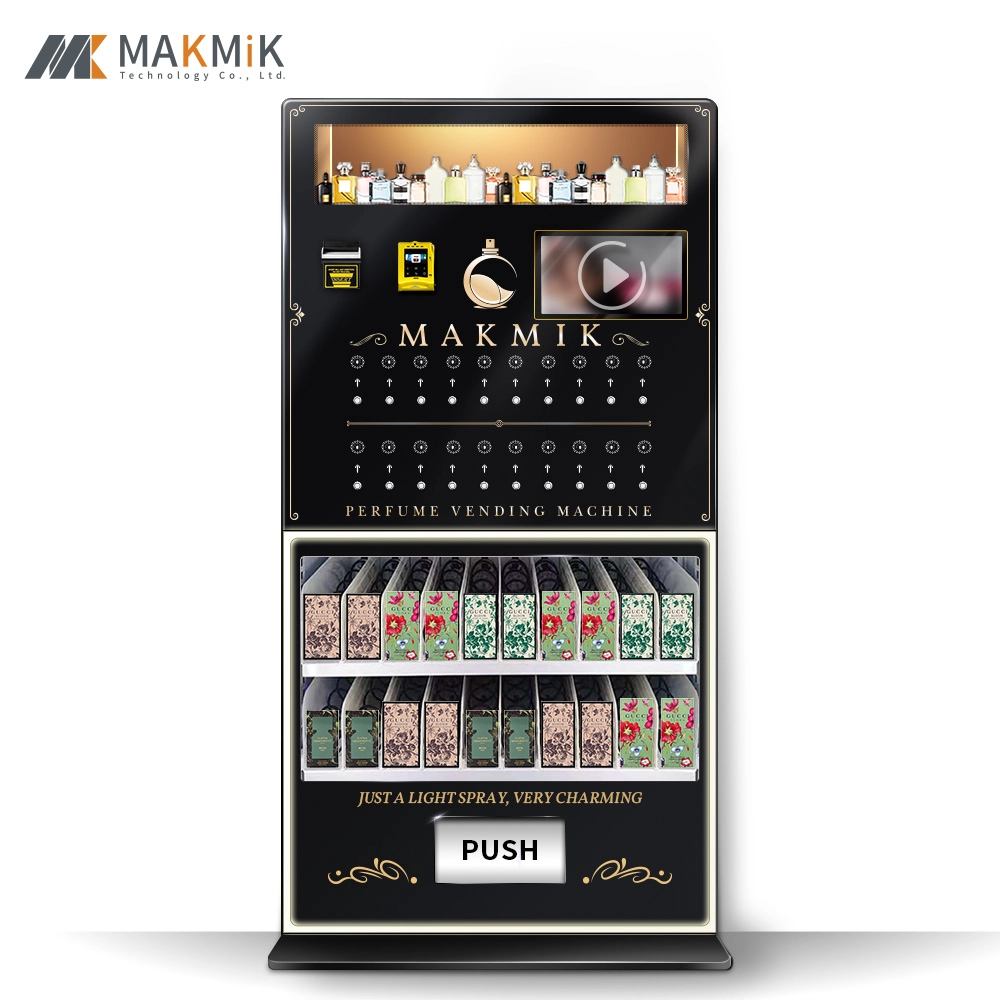
The MAKMIK MK-PM-S003 combines perfume spraying with packaged fragrance and beauty retail in one large-format vending machine. Featuring 20 × 150 mL fragrance tanks, a 15.6-inch touchscreen and two levels of product storage, it supports fragrance trials and sales of compatible full-size perfumes, gift sets and cosmetics.
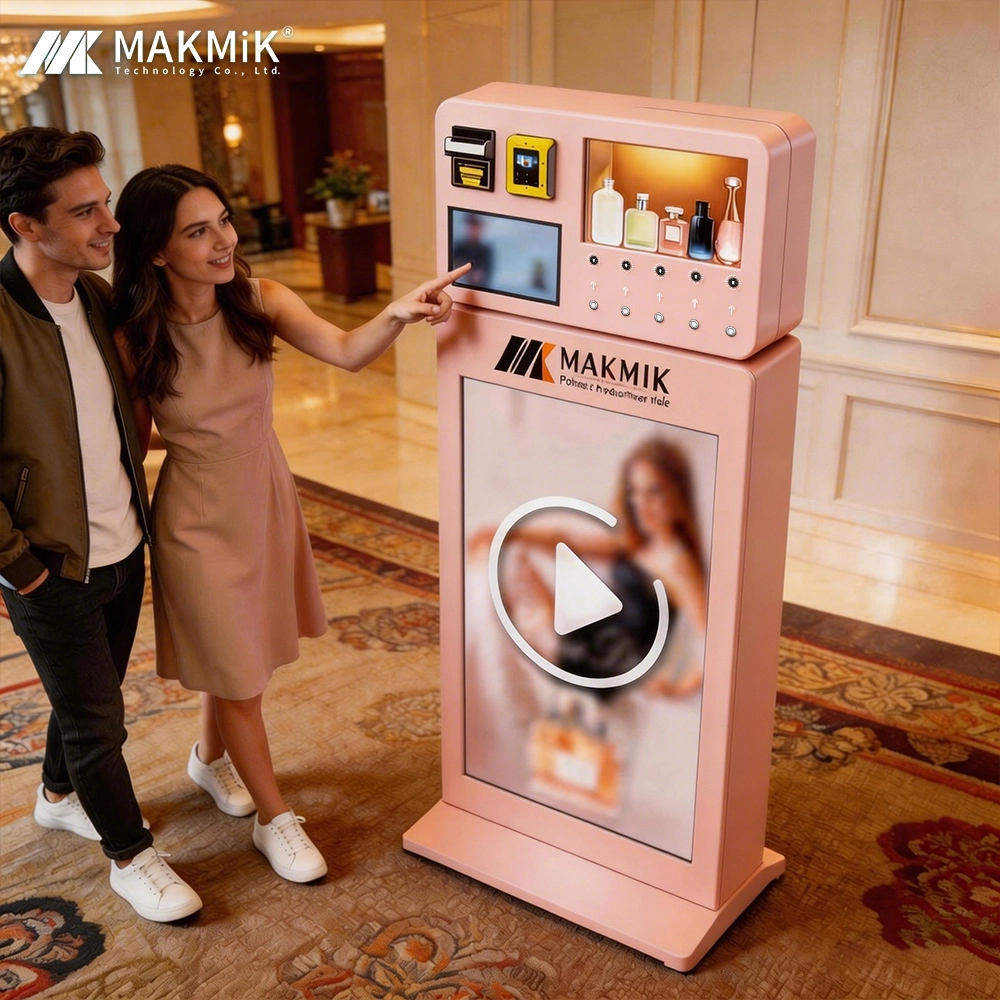
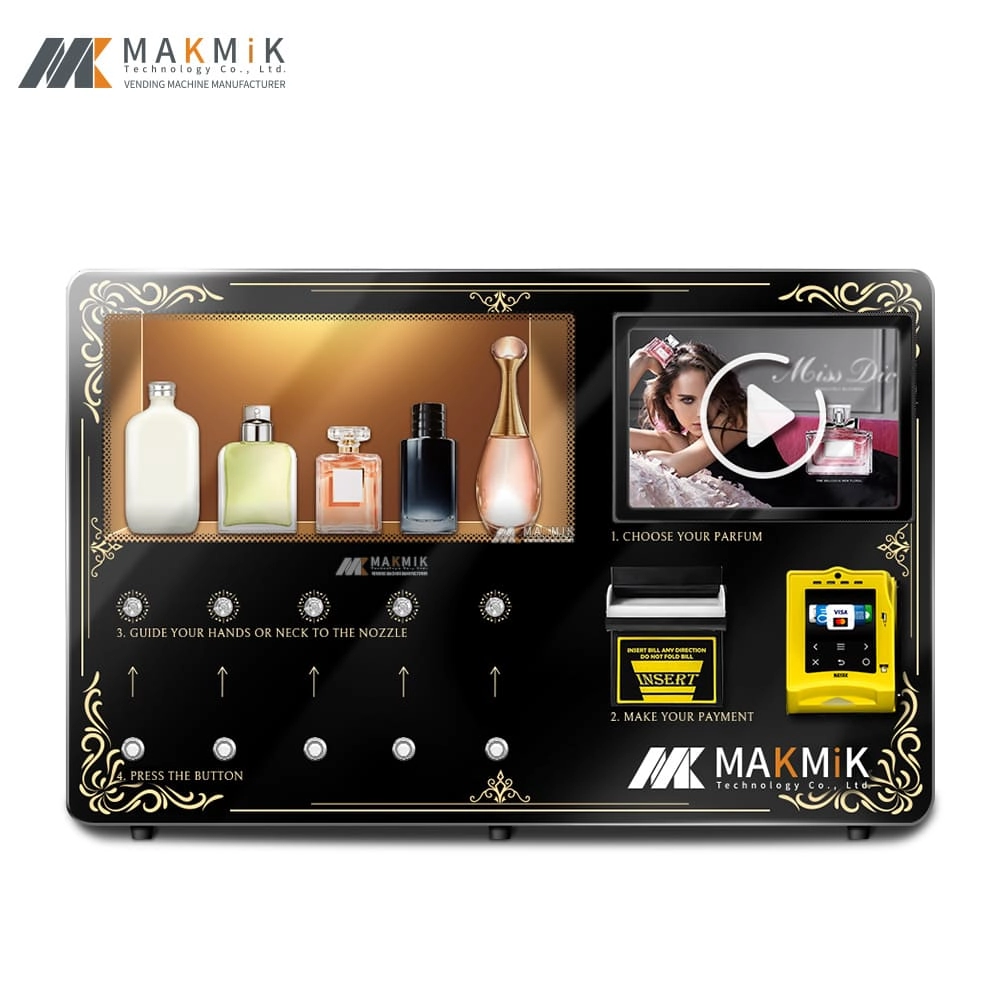
Introducing the MAKMIK Perfume Vending Machine Small Perfume Dispenser MK-PM-002—a sleek, innovative solution for instant fragrance access. Perfect for any venue, this compact perfume vending machine ensures convenience and variety. Discover MAKMIK's exceptional quality with this perfume vending machine for sale today!
Customizable appearance and functions according to actual needs, multiple ways to combine, fast customer acquisition
Social Media:
© 2026 MAKMIK | All Rights Reserved.
Facebook
Linkedlin
YouTube
Instagram