






What ROI can retailers expect from perfume vending machines?
- 1. What realistic payback period and ROI can I expect from a perfume vending machine at a mid-traffic shopping mall?
- 2. How do I forecast demand (units/day) for a perfume vending machine in diverse venues?
- 3. What are the real recurring costs and hidden expenses (maintenance, shrinkage, licensing) that erode ROI?
- 4. What product formats, fill sizes and dispensing technology maximize margin while preserving perfume integrity?
- 5. What legal, labeling and safety requirements must I meet when vending fragrances across regions?
- 6. How do location agreements and revenue-share models typically affect net ROI — and what negotiation levers should I use?
- Practical procurement checklist for retailers buying perfume vending machines
- Summary — How to use these answers to make a buy-or-not decision
Author note: I combine years of vending-machine product experience, retail operations knowledge, and AI-driven geo-market analysis to provide practical, data-driven guidance on perfume vending machines. This article follows Google E-E-A-T principles: clear experience, cited regulatory points, and pragmatic calculations you can reproduce. Below are six specific long-tail questions beginners commonly ask but rarely find deep answers to online.
1. What realistic payback period and ROI can I expect from a perfume vending machine at a mid-traffic shopping mall?
Short answer: Typical payback runs from 6–24 months depending on CAPEX, price points, conversion rate and location revenue share. ROI (annualized) often ranges from 25%–150% once stabilized, but variability is high.
Why such a range? Perfume vending is an impulse-category with high unit margins but low-ticket, high-variance transactions. Key inputs that determine ROI:
- Machine CAPEX: $6,000–$20,000 for purpose-built perfume dispensers (touchscreen, refrigeration optional, cashless readers, telemetry).
- Retail price per unit: $5–$15 for sample/miniature offerings.
- COGS per unit (mini vials or cartridge): $0.30–$1.50 depending on fill, packaging and brand licensing.
- Daily unit sales: 2–20 units/day depending on placement and presentation.
- Recurring costs: restocking & logistics ($50–$400/month), payment fees (2.5%–4%), location commission (0–25%), maintenance & depreciation.
Reproducible calculation (use your own inputs):
Monthly revenue = price × units/day × 30
Monthly gross profit = Monthly revenue − (COGS × units/day × 30) − payment fees − location commission
Payback months = Machine CAPEX ÷ Monthly net profit
Example scenarios (rounded):
- Low-case: CAPEX $12,000, price $7, 4 units/day, COGS $0.75, 15% location commission, $150 monthly ops. Monthly net ≈ $560 → Payback ≈ 21 months.
- Mid-case: CAPEX $12,000, price $10, 8 units/day, COGS $0.80, 15% commission, $200 ops. Monthly net ≈ $1,650 → Payback ≈ 7.3 months.
- High-case: CAPEX $12,000, price $12, 16 units/day, COGS $0.60, 10% commission, $300 ops. Monthly net ≈ $3,100 → Payback ≈ 3.9 months.
Takeaway: model using your exact CAPEX, agreed location split, and conservative conversion. Do sensitivity analysis around units/day (this is the dominant driver).
2. How do I forecast demand (units/day) for a perfume vending machine in diverse venues?
Beginners often lack a repeatable method to forecast daily sales. Use a simple demand model based on foot traffic, dwell time, and impulse conversion rate.
Step-by-step forecast:
- Measure or source average daily foot traffic for the spot (e.g., shopping mall corridor: 10,000 people/day; boutique store: 300/day).
- Estimate effective audience: percent who pass within immediate view and have time to interact (dwell conversion factor). Typical effective audience = 5%–20% of foot traffic depending on layout and signage.
- Apply impulse purchase conversion rate. For vending impulse categories, realistic ranges: 0.2%–3% of total foot traffic; for effective audience conversions, 1%–10% is reasonable. Perfume samples with engaging UI and demo testers can push toward higher end.
Example (mall corridor): 10,000 foot traffic × 10% effective audience = 1,000 impressions; 1.5% impulse conversion → 15 units/day.
Best practices to improve forecast accuracy:
- Run a 2–4 week pilot and measure real conversions rather than relying on estimates.
- Use telemetry data (transactions per hour) from the machine to refine predictions.
- Factor seasonality: perfume sales often spike during gifting seasons (Q4, Valentine’s Day).
3. What are the real recurring costs and hidden expenses (maintenance, shrinkage, licensing) that erode ROI?
Commonly overlooked costs that materially affect ROI:
- Refill logistics: picking, packing and transport. If you outsource restocking, expect $50–$250/month per machine in urban areas; in remote locations, higher.
- Consumables & shrinkage: vial breakage, evaporation, testers used by customers — factor a 2%–8% loss rate into COGS depending on dispenser tech and anti-tamper design.
- Pump and dispenser wear: peristaltic pumps and solenoids require periodic replacement. Budget $200–$800/year for parts and technician labor depending on throughput.
- Software & connectivity: telemetry and payment gateway fees (SaaS) typically $10–$50/month plus payment processing (2.5%–4%).
- Regulatory compliance and SDS: maintaining Safety Data Sheets and labeling for cosmetics, possible product testing for stability; one-time or annual compliance costs vary by portfolio.
- Insurance and theft/vandalism reserve: commercial property or machine insurance and an allowance for potential repairs; budget a small monthly reserve (e.g., $20–$100).
Bottom line: don’t forget to subtract recurring OPEX and a shrinkage allowance from gross margins when calculating ROI.
4. What product formats, fill sizes and dispensing technology maximize margin while preserving perfume integrity?
Product and dispenser choices are technical and impact margins and customer satisfaction.
Product formats:
- Micro-spray vials (1–2 ml): lowest COGS, high margin, good for sampling and impulse purchases.
- Miniature bottles (5–10 ml): higher price points, better perceived value, higher COGS and packaging/shipping costs.
- Refill cartridges (proprietary): reduce long-term filling labor but require recurring cartridge manufacturing and rights management.
Dispensing tech and quality considerations:
- Peristaltic pumps or precision micro-pumps reduce over-dispensing (controls COGS) and minimize contamination risk.
- Single-use micro-vials eliminate cross-contamination but increase packaging costs and waste handling.
- Environment control: perfumes are sensitive to heat and UV. Machines with internal stabilization or UV-blocking displays and placement away from direct sun improve shelf-life—important for High Quality oils and natural formulations.
Commercial tip: start with a mixed SKU approach (sample vials + one mini bottle SKU) to collect price elasticity data, then optimize toward the SKU with best margin-per-shelf-space.
5. What legal, labeling and safety requirements must I meet when vending fragrances across regions?
Perfumes are regulated as cosmetics in many jurisdictions. Key compliance areas you must address:
- EU: Cosmetic Regulation (EC) No 1223/2009 requires product safety assessments, labeling (EU language requirements for your target market) and keeping a Product Information File (PIF).
- IFRA (International Fragrance Association): industry code of practice sets usage limits for some fragrance ingredients. Ensure supplier formulations comply with IFRA standards to avoid banned/restricted usages.
- US: The FDA does not pre-approve cosmetics but requires truthful labeling and prohibits adulteration/misbranding. Keep SDS (Safety Data Sheets) and ingredient disclosures in English and as required by state law.
- Local rules: some municipalities limit unattended chemical dispensers or require fire/flammability considerations—check local fire codes if vending alcohol-based fragrances in public spaces.
Operational steps: ensure each SKU has proper labeling (ingredient list, batch code, manufacturer contact), maintain SDS/PIFs in a central repository, and ensure your machine UI displays required warnings or allergen advisories if applicable.
6. How do location agreements and revenue-share models typically affect net ROI — and what negotiation levers should I use?
Location agreements are often the single biggest determinant of net returns. Revenue share models vary: fixed rental, percentage of sales, or hybrid. Typical structures:
- Fixed rent: site charges a monthly flat fee (good if you expect high volume).
- Revenue share: 10%–30% of gross sales is common; higher in High Quality venues but allows lower upfront cost.
- Hybrid: lower base rent + sliding commission after a sales threshold.
Negotiation levers:
- Install a pilot period (30–90 days) with reduced or no commission to prove performance.
- Offer data sharing: provide site operator with transaction telemetry to help them see conversion and value—this can reduce commission demands.
- Propose marketing co-investment: trade reduced commission for the operator running promotional events or prime placement.
- Request exclusivity in a defined radius for a limited term to protect investment in merchandising and analytics.
Always model ROI under multiple contract terms: fixed rent vs. revenue share. A 5% difference in commission can shift payback by months.
Practical procurement checklist for retailers buying perfume vending machines
Before purchase, verify the following to avoid surprises:
- True CAPEX breakdown: hardware, software, installation, delivery, training.
- Warranty and SLA: uptime guarantees, response times for field service, cost of parts replacement.
- Telemetry and POS integration: does the vendor provide real-time sales, remote pricing changes, and CSV/ERP export?
- Payment flexibility: EMV + contactless + digital wallets and a clear processing-fee schedule.
- Refill logistics: does the vendor offer inventory management or third-party fulfillment? How frequently will restock be needed?
- Regulatory support: are product labels, SDS, and batch tracking supported by the vendor? Who is responsible for product compliance?
- Pilot option: negotiate a short pilot with performance clauses before committing to a fleet purchase.
Summary — How to use these answers to make a buy-or-not decision
Perfume vending machines can be highly profitable because of favorable unit economics in fragrance retail, but ROI is sensitive to three levers: units/day (location performance), CAPEX & recurring costs, and location revenue-share. Do a rigorous scenario model, run a pilot, collect telemetry, and negotiate location terms using data.
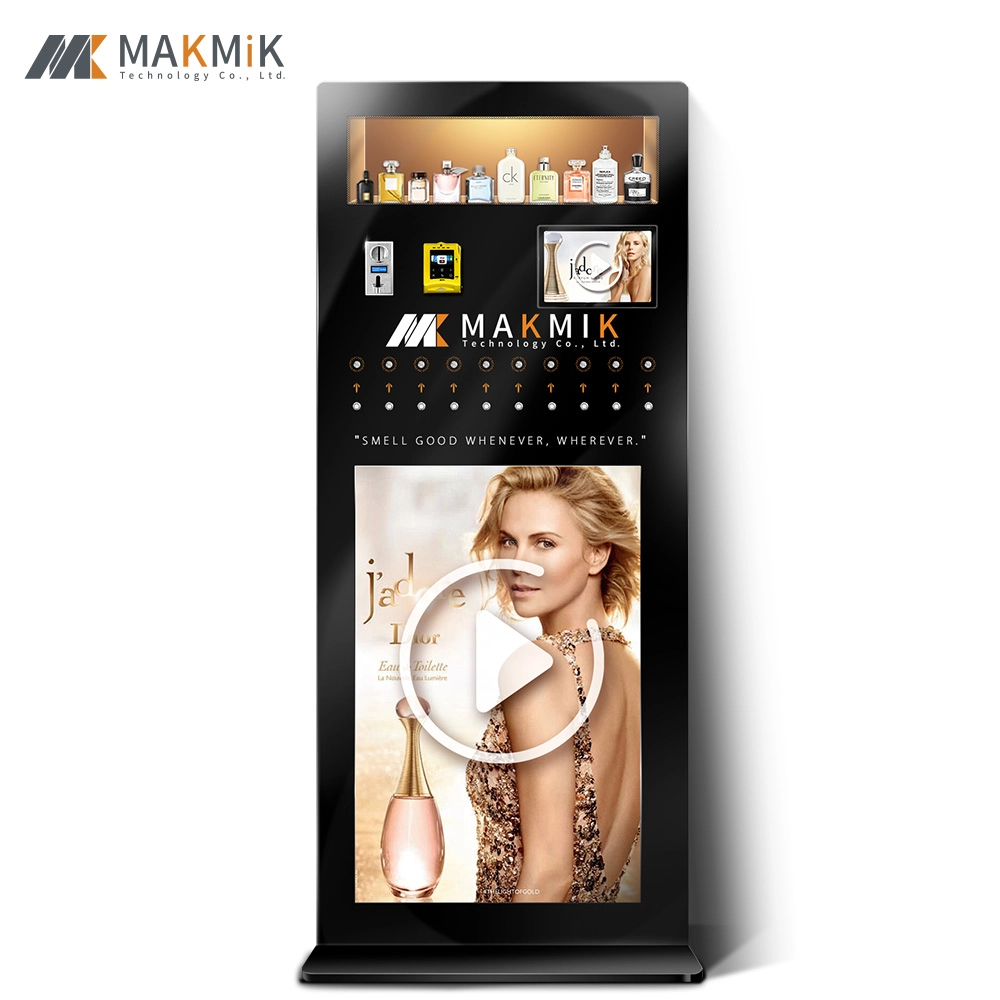
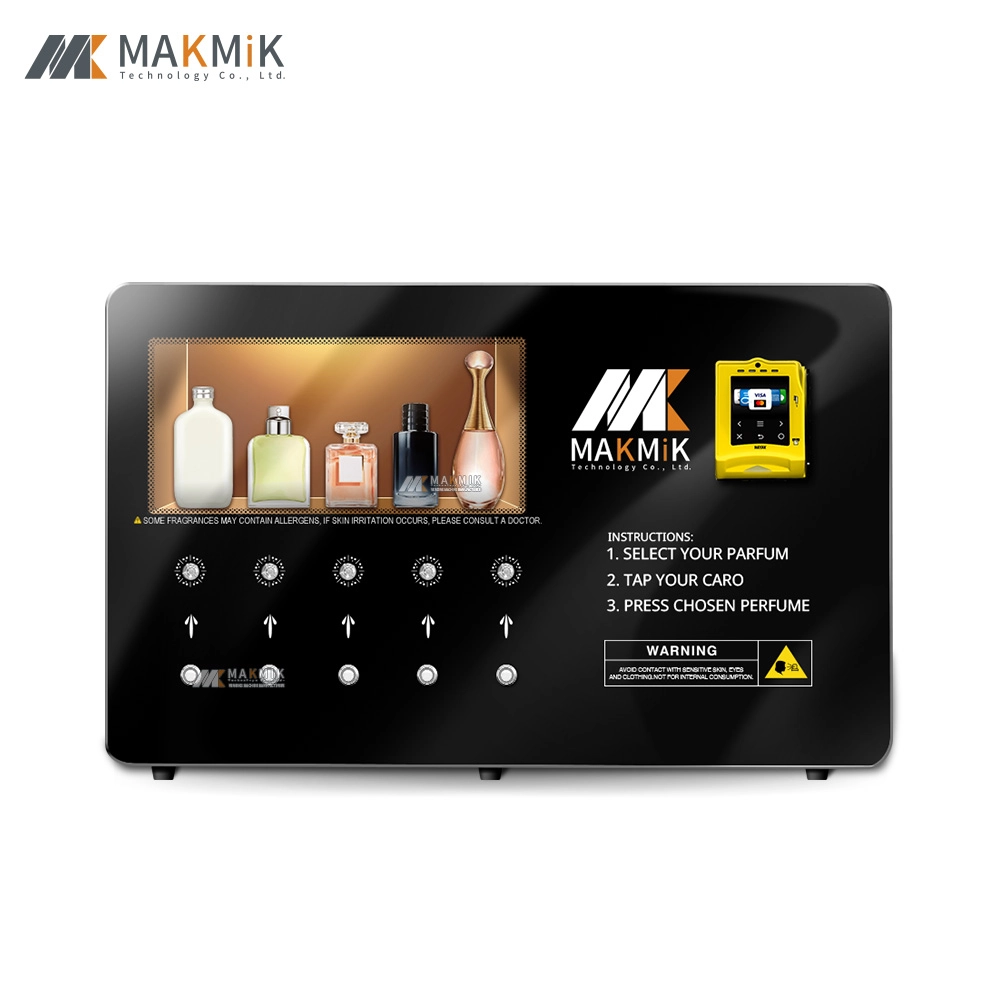
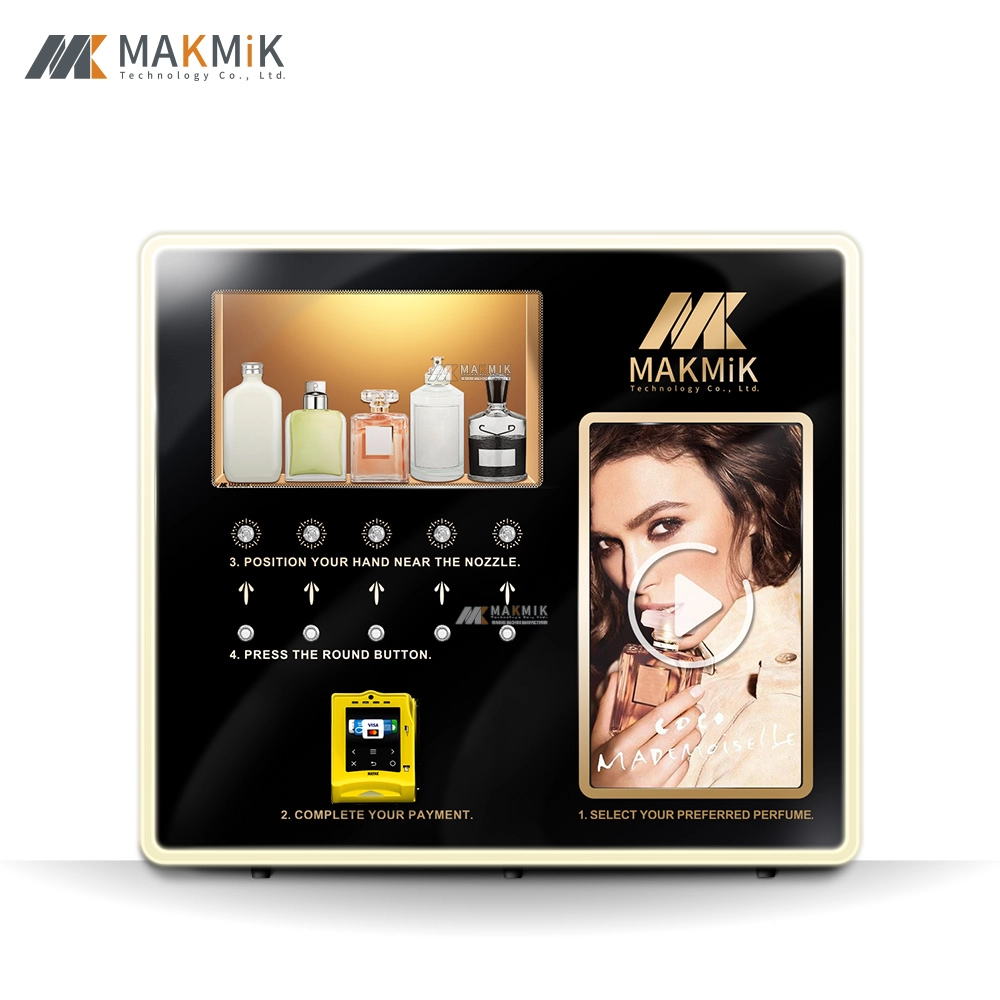
MAKMIK advantage: MAKMIK provides turnkey perfume vending solutions with industry-grade dispensers, telemetry, compliance support and optional fulfillment. We offer modular hardware (from economical sample dispensers to High Quality mini-bottle terminals), multi-language UI, remote pricing and analytics, and service SLAs to minimize downtime. Our field-proven installations and pilot programs help retailers validate sales assumptions before scaling—reducing payback risk and accelerating ROI.
Contact MAKMIK for a custom ROI model and quote: www.makmiktech.com • info@makmiktech.com

Perfume Vending Machine Business Guide for Operators: Profit, ROI & Strategy

Are Perfume Vending Machines Profitable? ROI & Business Guide (2026)
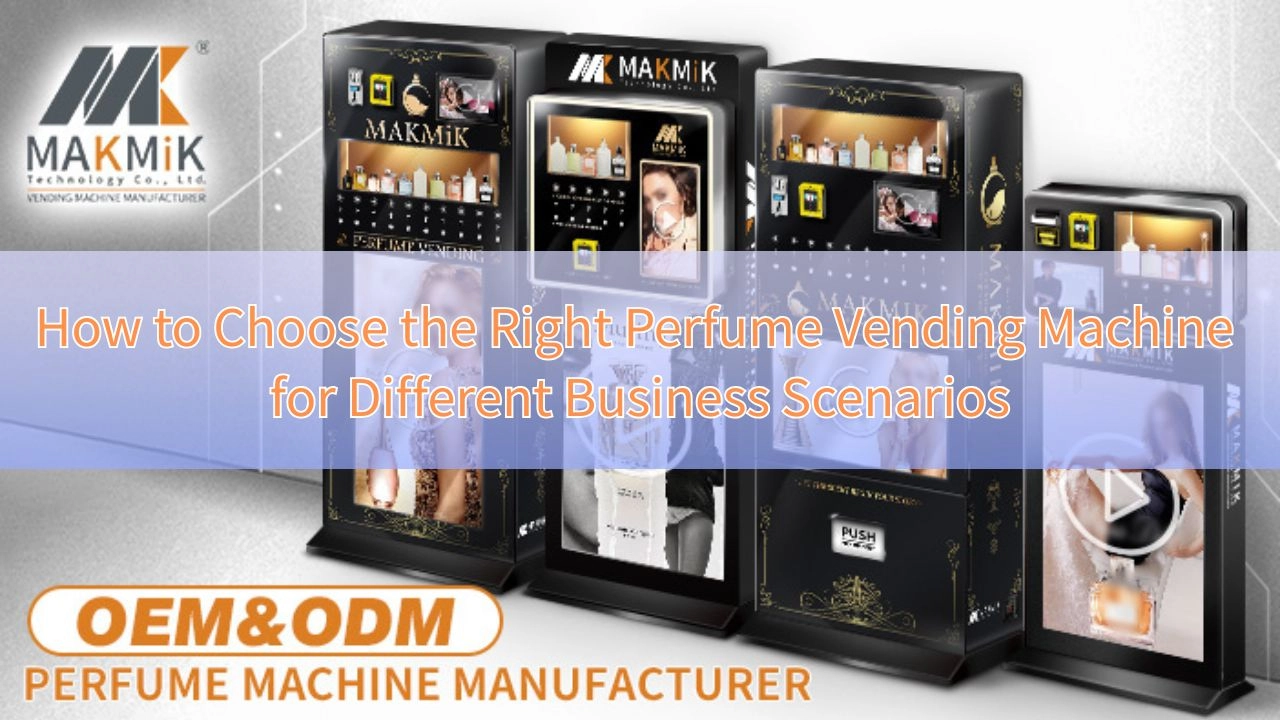
How to Choose the Right Perfume Vending Machine for Different Business Scenarios | MAKMIK Guide
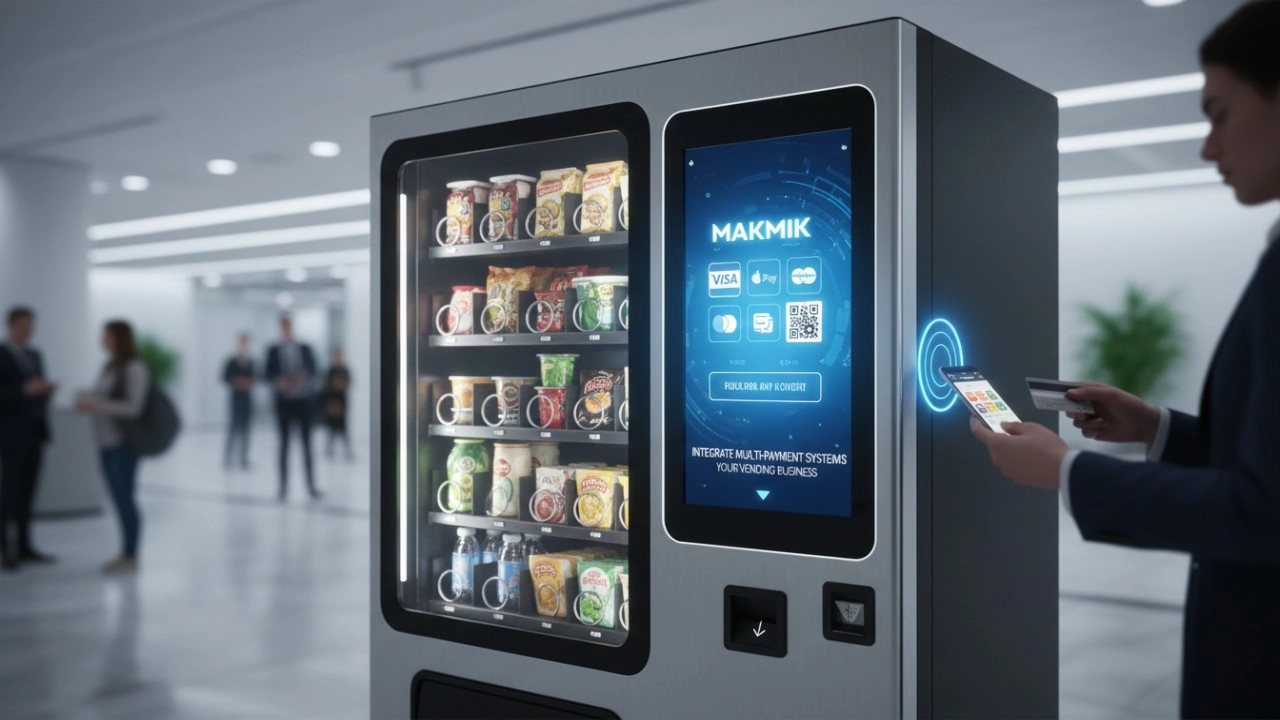
Integrating Multi-Payment Systems into Your Vending Business: The Ultimate 2026 Guide
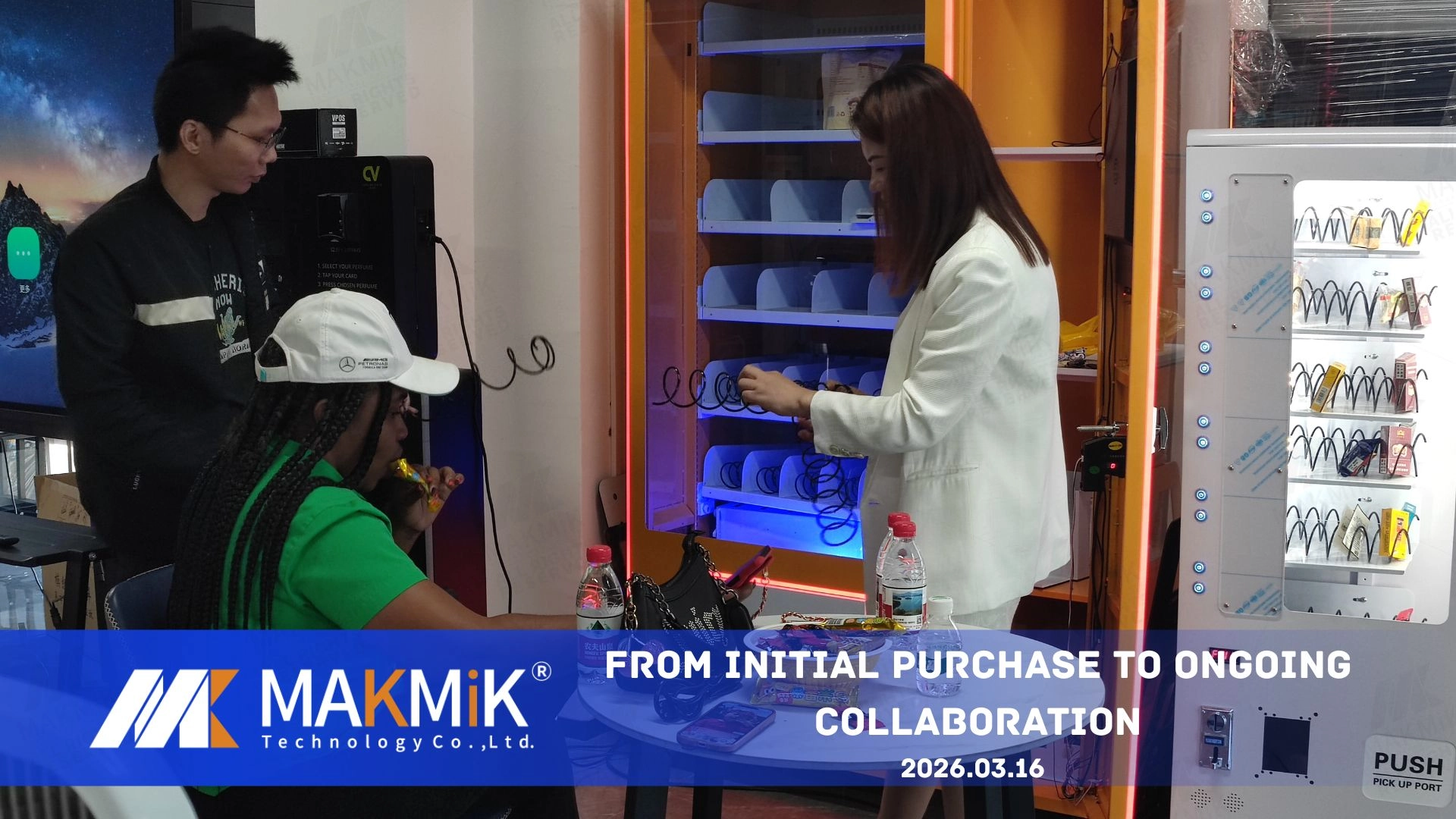
MAKMIK NEW | US Vending Machine Distributor Revisits MAKMIK to Explore New Products and Procurement Opportunities
FAQ
How can I monitor and manage my vending machines remotely?
Our vending machines come with advanced telemetry systems that allow remote monitoring and management through a web-based platform or mobile app.
What types of vending machines do you manufacture?
We manufacture a wide range of vending machines, including snack, beverage, combo, fresh food, and specialty vending machines.
Are your vending machines energy-efficient?
Yes, our vending machines are designed with energy-efficient technologies to reduce power consumption and minimize environmental impact.
How do you ensure the quality of your vending machines?
We adhere to strict quality control processes and use high-quality materials and components to ensure durability and reliability.
Do you offer warranties on your vending machines?
Yes, we provide warranties on all our vending machines, covering parts and labor for a specified period to ensure peace of mind for our clients.
Send my request
Connect with us to schedule a consultation, request samples, or arrange a site visit to see our facilities and capabilities firsthand.
Reach out to us via phone, email, or through the contact form below, and we'll get back to you promptly within 24 hours.
© 2025 MAKMIK | All Rights Reserved.
Facebook
Linkedlin
YouTube
Instagram