






Are perfume vending machines profitable for hotels and malls?
- 1) How much net profit can a perfume vending machine generate per month in a high-footfall hotel lobby after accounting for cartridge costs, machine amortization, payment fees, and cleaning?
- 2) What are realistic ROI timelines for purchasing vs leasing IoT-enabled perfume vending machines in malls of different footfall tiers?
- 3) Which cartridge and dispensing technologies minimize product loss and ensure consistent aroma dose (reducing complaints and warranty claims)?
- 4) How can perfume vending machines integrate with a mall’s retail analytics and loyalty systems to track behavior and increase cross-sales?
- 5) What are the regulatory, safety and fire-code considerations for placing perfume vending machines in indoor public spaces like hotels and malls?
- 6) How should hotels and malls set dynamic pricing, subscriptions or pay-per-spray models to maximize revenue without cannibalizing nearby perfume stores?
Perfume vending machines (automated perfume dispensers, scent-dispensing kiosks) are a growing niche in retail and hospitality. Below are six specific, buyer-focused questions beginners frequently ask — with in-depth, operational answers, realistic financial models, and integration guidance for hotels and malls.
1) How much net profit can a perfume vending machine generate per month in a high-footfall hotel lobby after accounting for cartridge costs, machine amortization, payment fees, and cleaning?
Short answer: It depends on location footfall, purchase conversion, price-per-dispense and cartridge economics. Below is a sensitivity model you can adapt to your property.
Assumptions (example case):
- Monthly lobby visitors (footfall): 30,000
- Conversion to purchase (impulse purchase rate for fragrance vending): 0.2%–1.0% (conservative range for kiosks)
- Average price charged per dispense (pay-per-spray or mini-bottle): $3–$8
- Cost of goods sold (COGS) per dispense — cartridge+packaging+shrink: $0.60–$2.00
- Machine CAPEX (amortized): $8,000 purchase price amortized over 36 months = ~$222/month
- Payment processing & cashless fees: ~2.5%–4% of revenue; account $100/month minimum depending on transaction count
- Refill & onsite service labor: $70–$250/month depending on frequency and security
- Misc (insurance, connectivity, cleaning): $30–$120/month
Scenario A — conservative: 0.2% conversion (60 purchases/month), avg price $4, COGS $1.25
- Revenue = 60 × $4 = $240/month
- Gross margin = 60 × ($4 − $1.25) = $165
- Less card fees (~3% = $7), refills/service $120, amortization $222, misc $50 => total fixed = $399
- Net = $165 − $399 = −$234/month (loss)
Scenario B — practical high-footfall: 0.8% conversion (240 purchases/month), avg price $5, COGS $1.00
- Revenue = 240 × $5 = $1,200
- Gross margin = 240 × ($5 − $1) = $960
- Less card fees (~3% = $36), refills/service $150, amortization $222, misc $60 => total fixed = $468
- Net = $960 − $468 = $492/month (positive)
Key takeaways:
- Break-even and profitability are driven most by conversion rate and average ticket size. Improving display, sampling, signage and staff cross-promotion can lift conversion from 0.2% to 0.6–1.0%.
- Higher-margin formats (mini-bottles, multi-spray credits, branded collaborations) raise average ticket and reduce sensitivity to footfall variance.
- Use the simple model above as a spreadsheet: Revenue = visitors × conversion × price; Net = Revenue − (COGS + fixed costs + fees + amortization).
2) What are realistic ROI timelines for purchasing vs leasing IoT-enabled perfume vending machines in malls of different footfall tiers?
Leasing vs buying is a cashflow and risk decision. IoT-enabled vending (remote telemetry, inventory alerts, cashless payments) usually costs more up-front but reduces manual service time and shrink. Typical market ranges in 2024:
- Buy (advanced IoT-enabled dispenser): $6,000–$25,000 depending on hardware, touchless tech and branding.
- Lease: $200–$700/month for comparable units (often includes maintenance and connectivity).
ROI examples by mall tier (use conservative numbers):
Small mall (monthly visitors 50k): expected conversion 0.25%, avg T $4 → monthly sales ≈ 125 dispenses
- Monthly net margin (after COGS/fees/ops): ≈ $100–$300
- Buying: payback on $8,000 CAPEX = 26–80 months (2+ to 6+ years)
- Leasing: negative monthly net when lease + ops > margin, so lease not advised unless bundled service significantly raises conversion.
Large mall (monthly visitors 500k): conversion 0.5%, avg T $5 → monthly sales ≈ 2,500 dispenses
- Monthly net margin: $3,000–$7,000 depending on COGS and pricing
- Buying: payback on $12,000 CAPEX = 2–4 months (rapid ROI)
- Leasing: monthly lease likely $300–$600; still produces strong positive cashflow and less capital tie-up.
Guidance:
- Buy when you have confirmed high footfall and reliable staff/ops to sustain refills and promotion.
- Lease when piloting in a single location, or when you prefer the supplier to manage refills, branding and connectivity SLAs.
- Negotiate uptime and remote support in either model — IoT telemetry that triggers refills will materially reduce opex and stockouts.
3) Which cartridge and dispensing technologies minimize product loss and ensure consistent aroma dose (reducing complaints and warranty claims)?
Beginners often pick machines by looks; durability of the dispensing mechanism and cartridge design determines customer satisfaction and total cost-of-ownership.
Technical features to require from suppliers:
- Sealed, single-use or lockable refill cartridges to reduce evaporation and tampering. Suppliers typically use patented valves to prevent backflow and leakage.
- Metered-dose atomizers with calibrated micro-pumps (measured in µL per spray) to ensure repeatable scent intensity. Ask for specification: e.g., 40–120 µL per actuation.
- Anti-foam and alcohol-compatible materials. Perfume bases contain ethanol—confirm seals, tubing, and gaskets are rated for alcohol exposure to avoid degradation.
- Replaceable nozzle modules and self-clean cycles. Machines with hot-swappable dispensing heads reduce downtime.
- Secure cartridge recognition (RFID/NFC or mechanical keyed slots) to prevent incorrect refills and to track SKU-level inventory for retail analytics.
Operational tips:
- Standardize on cartridge pack sizes that match local fire and transport rules (many vendors offer <100 mL sealed cartridges to simplify compliance).
- Train staff on cartridge replacement sequence and run a QA spray after refilling to verify dose and nozzle health.
- Keep basic spare parts onsite (nozzles, seals) and maintain a vendor SLA for 24–72 hour replacements where possible.
4) How can perfume vending machines integrate with a mall’s retail analytics and loyalty systems to track behavior and increase cross-sales?
IoT-enabled fragrance vending is not just an impulse seller — it yields valuable first-party data when integrated correctly. Key integration points:
- POS & Payment integration: Ensure the machine supports EMV, contactless, and mobile wallet payments and can push transaction records to a centralized POS or middleware via REST API or MQTT.
- Loyalty and CRM: Offer opt-in for receipts or QR-code capture that ties dispenser activity to a loyalty ID/email for targeted offers (e.g., 10% off a full bottle at store X after a sample purchase).
- Footfall attribution: Correlate dispenser transactions with mall footfall sensors or camera anonymized counts to compute location-level conversion rates.
- Inventory telemetry: Cartridge-level telematics should emit events (dispenses, low-stock, nozzle fault) to the mall operator’s feed for real-time replenishment scheduling.
Recommended KPIs to track:
- Dispenses per 1,000 visitors (conversion efficiency)
- Average ticket (ARPU) by location and time of day
- Refill frequency & inventory turnover (days of supply)
- Cross-promotion conversion (sample → full-bottle purchases in nearby stores)
- Machine uptime (%) and mean time to repair (MTTR)
Implementation best practice: request sandbox API access and sample telemetry CSVs from vendors, and pilot the data pipeline in one zone for 60–90 days to validate cross-sell lift before roll-out.
5) What are the regulatory, safety and fire-code considerations for placing perfume vending machines in indoor public spaces like hotels and malls?
Perfumes contain alcohol (ethanol) making regulatory attention necessary. Instead of generic answers, follow this action checklist before deployment:
- Obtain SDS/MSDS for every fragrance SKU from the supplier. These documents state flammability, storage and handling requirements.
- Confirm cartridge sizes and total machine liquid volume. Many jurisdictions mitigate storage restrictions if individual cartridges are sealed and below a threshold (commonly <100 mL), but local fire code varies — always consult the property’s fire marshal.
- Ask the supplier for a flammability compliance statement: whether cartridges are classified as UN 1993 (flammable liquids) or sized to avoid hazardous-class transport/storage. Use sealed cartridges designed for vending to reduce risk.
- Place machines away from direct heat sources, high-traffic emergency egress, and HVAC intakes. Follow the building’s ventilation and distance rules for flammable products.
- Display required hazard signage and ensure staff training for spill response and first aid. Keep spill kits and clear refill SOPs on-site.
- Check local consumer-protection laws for sample dispensing (e.g., labeling, allergen and ingredient disclosure requirements), especially in EU markets where fragrance allergens must be listed for cosmetic products.
Final note: regulatory compliance is location-specific. Request vendor documentation (SDS, certification, test reports) and engage your property’s safety officer before installation.
6) How should hotels and malls set dynamic pricing, subscriptions or pay-per-spray models to maximize revenue without cannibalizing nearby perfume stores?
Pricing strategy must balance impulse accessibility and channel harmony with full-line retailers. Strategies that work for hospitality and mall environments:
- Tiered pay-per-spray pricing: Offer single-spray (trial) at low price, multi-spray packages (e.g., 3-sprays, 10-sprays) at discount to raise ARPU and perceived value.
- Subscription & pass models: For hotels, include a scent-sampling add-on to concierge or room-service (e.g., $9.99 for a 5-spray credit during a stay). For malls, run membership trials (loyalty points for purchases) that feed cross-store rewards.
- Time & event pricing: Use dynamic price multipliers for peak periods/events (holiday weekends, fashion shows) but cap increases to avoid upsetting anchor retailers.
- Collaborative promotions with retailers: Offer a QR coupon redeemable at nearby full-line fragrance retailers (e.g., 15% off after sample purchase). This drives store traffic and reduces perceived competition.
- Data-driven price testing: Use A/B pricing across machines and monitor conversion, not just gross revenue. Increasing price can sometimes increase perceived value and conversion up to a point.
Operational guardrails:
- Share revenue models with anchor retailers and mall management to avoid conflicts — consider revenue-share agreements when vending machines are inside store footprints.
- Limit SKU overlap with in-mall stores (offer exclusive mini-collections or guest fragrances) rather than sell the same signature full-bottle best-sellers at lower price.
- Document promotional windows and inventory allocations to protect retailer relationships.
Pricing example (simple): if average dispense price = $5 and COGS = $1, lifting the multi-spray package price from $12 (3 sprays) to $13 (still perceived as discount) raises ARPU and margin without materially lowering conversion.
Conclusion — advantages of perfume vending machines for hotels and malls:
When deployed with the right cartridge tech, telemetry and location strategy, automated perfume dispensers and fragrance vending kiosks can monetize idle footfall, provide first-party shopper data, and drive incremental revenue with low staffing overhead. Key advantages include scalable impulse revenue streams, brand-friendly sample distribution, and analytics-driven merchandising. Success depends on realistic financial modeling, regulatory due diligence (SDS and fire-code compliance), cartridge- and nozzle-quality to minimize service events, and thoughtful integration with loyalty/retail partners to avoid channel conflict.
For a personalized ROI calculation and equipment quote for hotels or malls, contact us at www.makmiktech.com or email info@makmiktech.com.

Perfume Vending Machine Business Guide for Operators: Profit, ROI & Strategy
Are Perfume Vending Machines Profitable? ROI & Business Guide (2026)
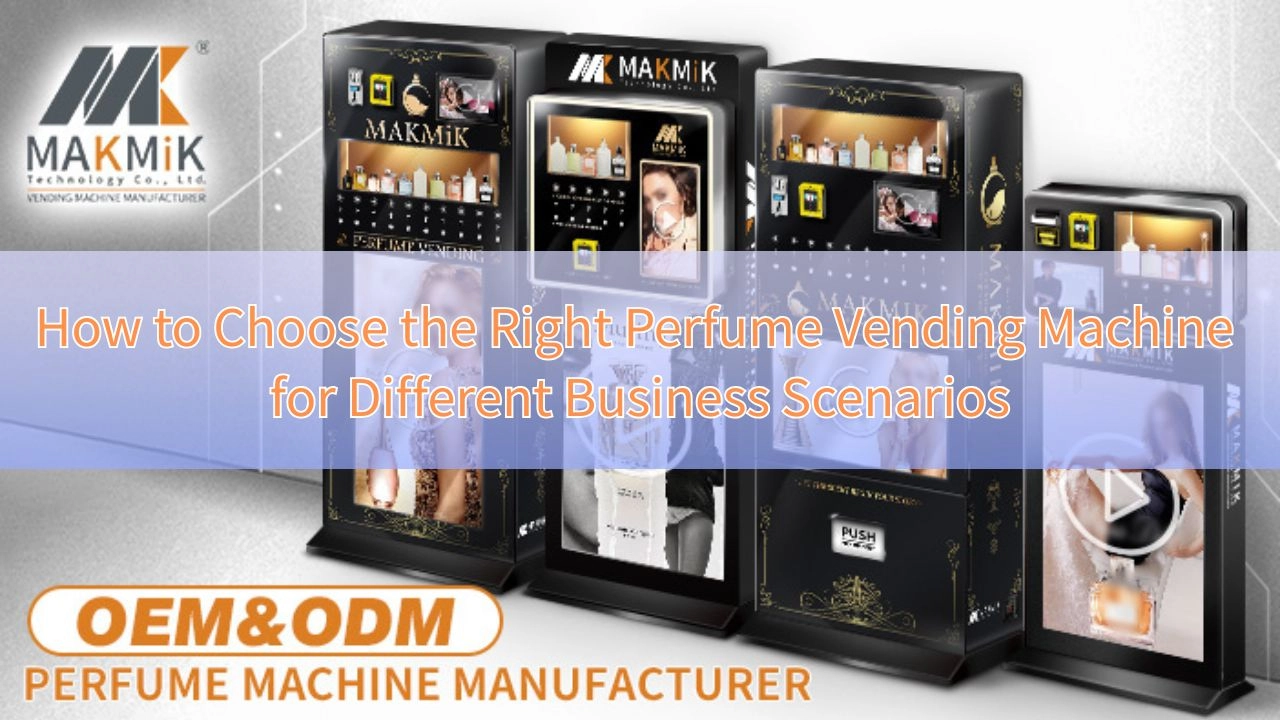
How to Choose the Right Perfume Vending Machine for Different Business Scenarios | MAKMIK Guide
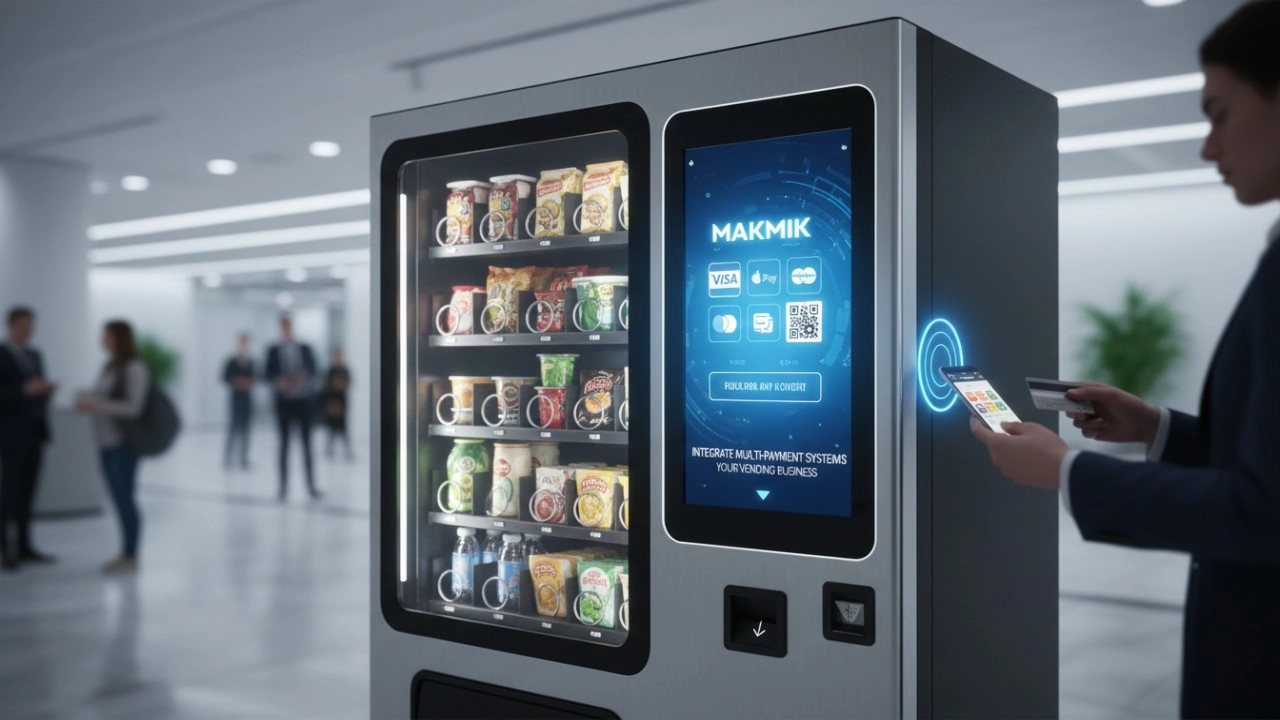
Integrating Multi-Payment Systems into Your Vending Business: The Ultimate 2026 Guide
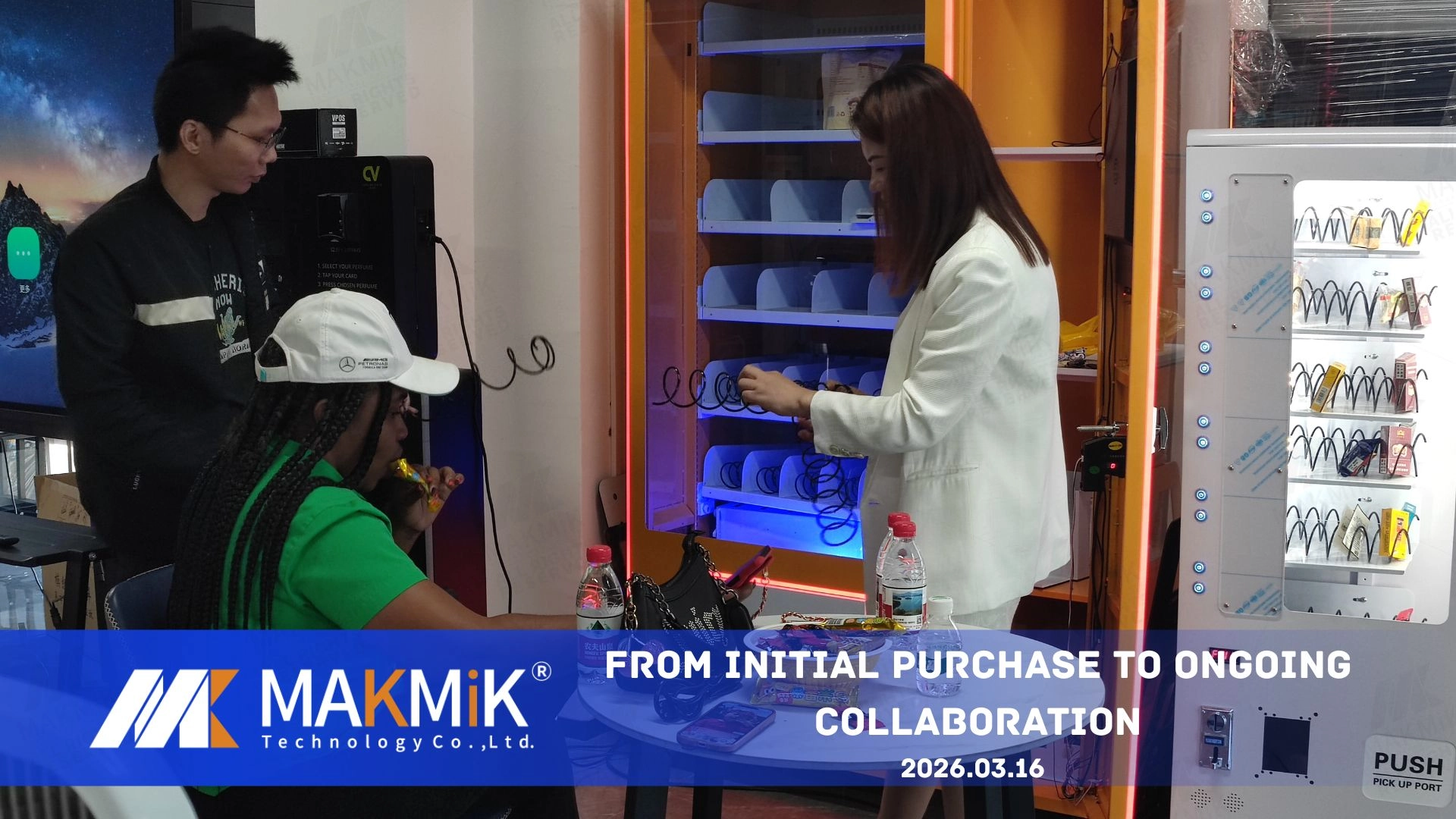
MAKMIK NEW | US Vending Machine Distributor Revisits MAKMIK to Explore New Products and Procurement Opportunities
FAQ
What kind of technical support do you offer?
We provide 24/7 technical support, including troubleshooting, repair services, and remote assistance to resolve any issues promptly.
What payment options do your vending machines support?
Our vending machines support various payment methods, including cash, credit/debit cards, mobile payments, and contactless payments.
Are your vending machines energy-efficient?
Yes, our vending machines are designed with energy-efficient technologies to reduce power consumption and minimize environmental impact.
Do you provide installation and maintenance services?
Yes, we offer comprehensive installation and maintenance services to ensure your vending machines operate smoothly.
Do you offer warranties on your vending machines?
Yes, we provide warranties on all our vending machines, covering parts and labor for a specified period to ensure peace of mind for our clients.
Send my request
Connect with us to schedule a consultation, request samples, or arrange a site visit to see our facilities and capabilities firsthand.
Reach out to us via phone, email, or through the contact form below, and we'll get back to you promptly within 24 hours.
© 2025 MAKMIK | All Rights Reserved.
Facebook
Linkedlin
YouTube
Instagram