






What features boost sales in perfume vending machines?
- 1. How should a vending machine dispense perfume to minimize waste, avoid cross-contamination, and deliver a consistent scent experience?
- 2. What telemetry, sensors, and alerting should I require to prevent stockouts and avoid customer frustration?
- 3. How do I preserve perfume integrity inside vending machines (temperature, light, shelf life) and what storage specs should I require?
- 4. What compliance, labeling and ingredient rules should I check before placing perfume vending machines in international markets?
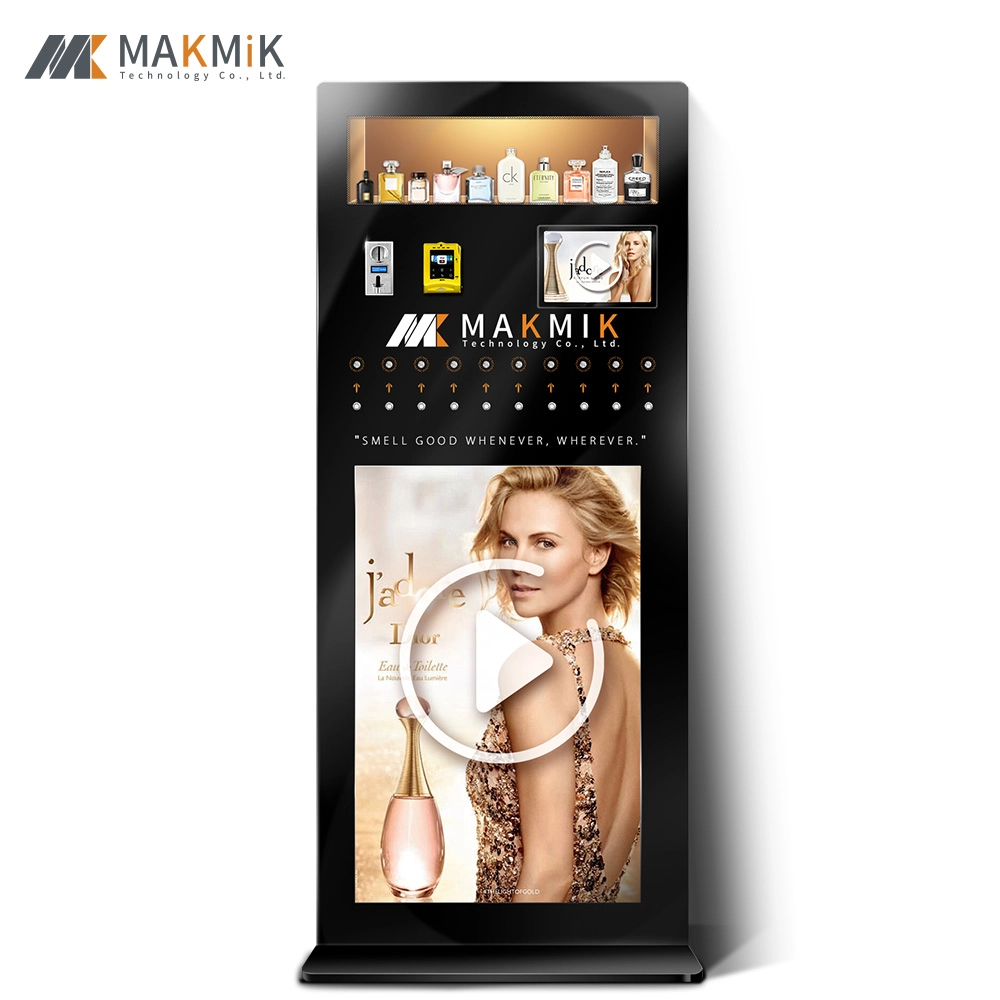
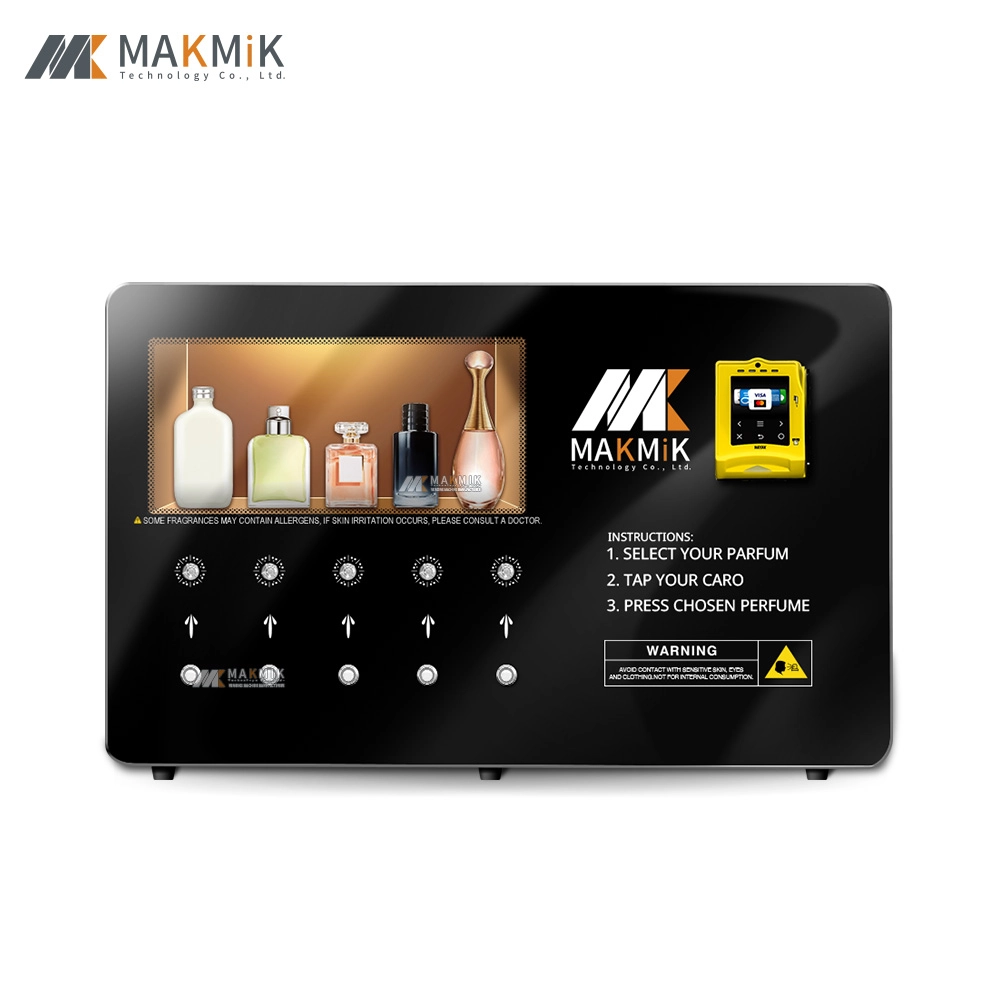
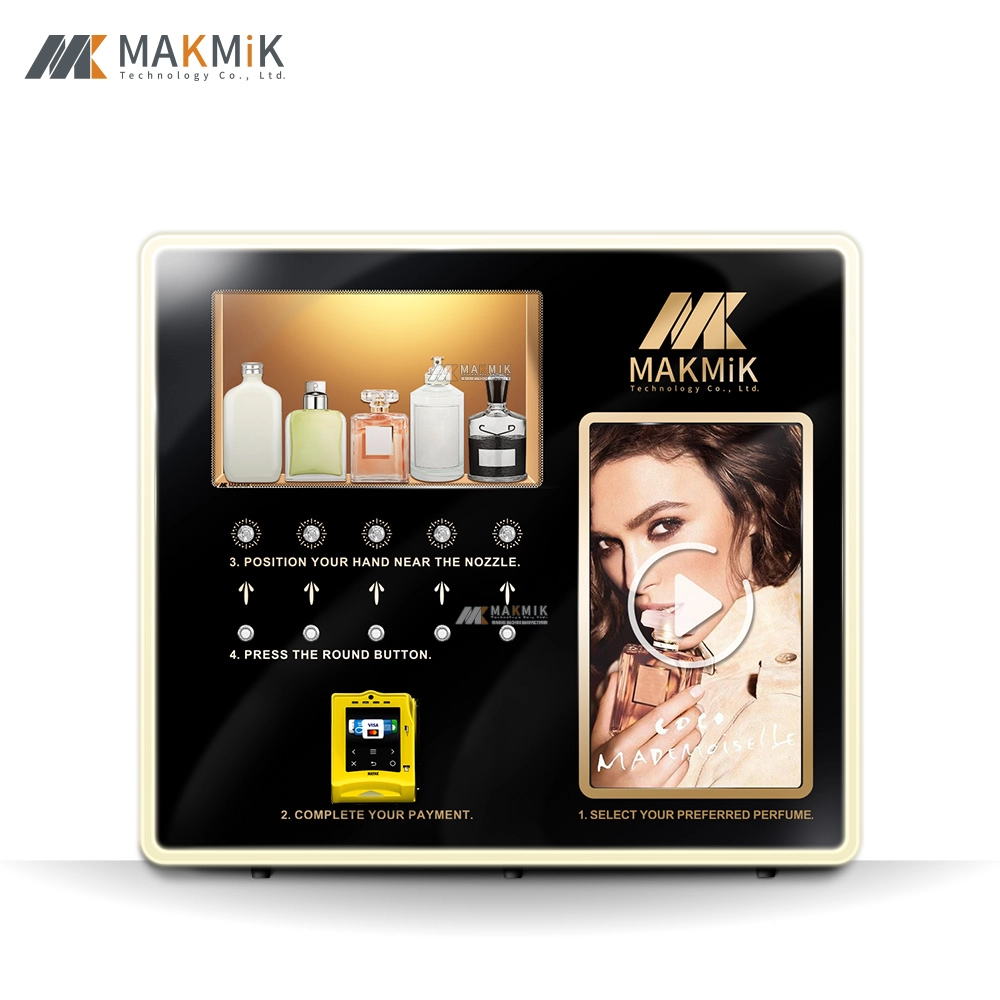
- 5. Which user-experience, payment and loyalty features measurably boost sales in perfume vending machines?
- 6. How do I decide between atomizer pods, cartridge refills, or single-use sample vials for profitability, refill logistics, and customer satisfaction?
- Procurement checklist: What to require from a vending machine supplier
- MAKMIK advantage
Perfume Vending Machines: 6 Deep Questions Beginners Always Ask
Buying a perfume vending machine is not just about choosing a shell with a card reader. Buyers must evaluate dispensing technology, fragrance integrity, telemetry, compliance, payment/security, refill logistics and UX design. Below are six long-tail questions that beginners frequently ask but rarely find deep, actionable answers for—each followed by a practical, industry-grounded response.
1. How should a vending machine dispense perfume to minimize waste, avoid cross-contamination, and deliver a consistent scent experience?
Why it matters: A poor dispensing method ruins user experience, wastes product, and increases refill frequency—hurting margins and reputation.
Best practices:
- Metered-dose spray valves: Choose precision metered spray actuators or micro-pump dispensers that deliver repeatable micro-doses. Target metered volumes in the general range used by retail atomizers (small fractions of a milliliter per actuation) so users get a recognizable scent without overuse.
- Dedicated sealed cartridges: Use sealed, single-fragrance cartridges or replaceable atomizer pods per SKU. Sealed cartridges reduce exposure to air and contaminants and make changeovers and servicing cleaner and faster.
- Airless and one-way flow: Implement one-way flow valves and airless cartridges where feasible to limit oxidation and evaporative loss. Avoid shared manifolds without check valves—these are common sources of cross-contamination when multiple fragrances share channels.
- Flush and purge protocols: If the machine architecture requires shared plumbing, use automated purge cycles with an inert purge medium (e.g., filtered air) between different fragrance events and limit back-to-back multi-flavor dispensing without a purge. Better: avoid shared lines for High Quality fragrances.
- Material selection: Use PTFE, stainless steel, or compatible plastics for wetted parts. Some fragrance compounds can degrade standard elastomers; specify compatibility in procurement (ask vendors for chemical compatibility data for common fragrance solvents and fixatives).
- Calibration and QA: Include routine calibration checks and an accessible service mode that dispenses test doses for field verification. Log actuator cycles to anticipate wear-out based on actuation counts.
2. What telemetry, sensors, and alerting should I require to prevent stockouts and avoid customer frustration?
Why it matters: Machines that run empty or feed incorrect information create lost sales and negative brand experiences. Remote monitoring prevents many onsite visits and reduces out-of-stock time.
Required telemetry and sensors:
- Per-cartridge level sensing: Optical or load-cell-based sensors for each cartridge or pod provide SKU-level stock visibility. Optical sensors are lower cost for translucent reservoirs; load cells are accurate for opaque containers or boxed cartridges.
- Cycle counters and actuator health: Record actuation counts and error events (misfires, blocked nozzles) to trigger preventative maintenance before failure.
- Environmental sensors: Temperature and humidity sensors inside the cabinet monitor conditions that affect fragrance stability. Flag excursions beyond configured thresholds.
- Door and tamper sensors: Vibration, door-open, and intrusion sensors tied into alerting and event logs help with security and forensic analysis after incidents.
- Customer interaction logs: Capture anonymized purchase events, successful vs failed transactions, display impressions, and conversion rates. This enables A/B testing of layouts, prices, and promos.
- Network health and failover: Dual connectivity (Wi-Fi + LTE) ensures telemetry continues when one connection drops; also support local caching of transactions until connectivity is restored, with secure sync later.
- Automated alerting and integrations: Alerts should integrate into your operations stack (SMS/Slack/email and ticketing systems). Provide threshold-based alerts (low SKU, temperature excursion, repeated payment failures) and daily health summaries.
3. How do I preserve perfume integrity inside vending machines (temperature, light, shelf life) and what storage specs should I require?
Why it matters: Poor storage shortens fragrance life, changes notes, and leads to customer complaints and returns.
Practical storage and design specs:
- Temperature control: Store fragrances in a stable, cool environment—avoid heat sources and temperature swings. Specify internal cabinet operating ranges and alerts; typically aim for a cool range (commonly recommended for perfumes is below normal room temperature and out of direct heat/light). Require vendors to document operating temperature spec and recommend placement conditions (e.g., away from direct sunlight, HVAC blowers).
- Light protection: Use opaque or UV-blocking materials for cartridges and an opaque cabinet interior or UV-filtering glazed windows. UV and strong visible light accelerate degradation.
- Humidity control: Ensure relative humidity is controlled to avoid label and packaging degradation. While fragrances are liquid, packaging materials and secondary labeling can be affected by high humidity.
- Shelf life and stock rotation: Track open/installed dates per cartridge. Maintain FIFO for replenishment. Include a maintenance workflow that retires cartridges after manufacturer-recommended in-use durations to avoid quality drift.
- Temperature excursion policies: Machines should log excursions and flag product for QC review—don’t put product back into circulation without inspection after significant excursions.
4. What compliance, labeling and ingredient rules should I check before placing perfume vending machines in international markets?
Why it matters: Fragrances are subject to varying safety and labeling regimes worldwide; non‑compliance risks fines, forced recalls, and brand damage.
Key regulatory checks and procurement checklist:
- IFRA guidelines and safety data: Require that suppliers provide IFRA (International Fragrance Association) compliance summaries and Safety Data Sheets (SDS). IFRA guidance governs maximum usage levels for certain fragrance materials and is widely used as the industry safety baseline.
- Regional cosmetics and chemical rules: In the EU, cosmetics regulations require allergen labeling for a defined list of fragrance allergens and compliance with the Cosmetic Regulation (EC) No 1223/2009. In the U.S., fragrances are regulated as cosmetics by FDA; ingredient disclosure practices differ and some jurisdictions mandate additional consumer info. Ensure vendors can supply region-specific compliance documentation.
- Allergen declarations and sample displays: If offering testers or sprays, display allergen notices where required and consider add-on screens/warnings for users with sensitivities. For EU placements, ensure ingredient and allergen declarations are present on packaging or accessible via QR code.
- Transportation and hazardous goods: High-alcohol fragrance formulations may be regulated for transport (IATA/IMDG rules for air/sea) when shipping bulk cartridges. Confirm vendor shipping classifications and any restrictions to your deployment region.
- Local retail licensing and consumer protection: Check municipal vending, cosmetics, and consumer protection rules (e.g., maximum sizes, labeling, pricing display). Work with local counsel or a compliance consultant for new markets.
5. Which user-experience, payment and loyalty features measurably boost sales in perfume vending machines?
Why it matters: Sales depend on discovery, trust, ease of purchase, and incentives to return. Small UX or payment gaps can dramatically lower conversion.
Features that drive higher conversion and repeat purchases:
- Contactless & mobile-first payments: Support NFC (Apple Pay, Google Pay), EMV/contact chip, and mobile wallets. Contactless transactions improve conversion speed and hygiene perception.
- PCI compliance and tokenized payments: Ensure the payment stack is PCI-DSS compliant and supports tokenization so card data is never stored on the vending controller. This avoids liability and builds buyer trust.
- Preview & discovery: Offer small, free or low-cost scent previews (metered sample sprays) before purchase. Provide scent descriptions, fragrance family cues, and top/middle/base note info on a touchscreen so customers can make informed choices.
- Multilingual and accessible UI: Provide language options and audio prompts. Ensure interface meets accessibility best practices (clear fonts, color contrast, reachable control heights) for broader audience reach.
- Loyalty & promotions integration: Integrate with a backend loyalty system or allow redemption via QR codes, coupon codes, or mobile app ties. Dynamic pricing (time-of-day discounts, bundle pricing) can be managed centrally via telemetry APIs to stimulate off-peak purchases and move slow SKUs.
- Social and QR engagement: Offer QR codes on receipt screens linking to product pages, ingredient lists, or AR scent storytelling—this extends the retail experience to mobile and builds email or app capture for retargeting.
- Clear pricing & receipts: Display price breakdowns, refunds/return policy, and offer on-screen receipts or emailed receipts to increase trust for High Quality purchases.
6. How do I decide between atomizer pods, cartridge refills, or single-use sample vials for profitability, refill logistics, and customer satisfaction?
Why it matters: Dispensing format affects COGS, refill labor, shelf life, perceived value and waste handling.
Decision framework:
- Atomizer pods (reusable sealed pods): Best for High Quality SKUs. Pros: better long-term cost-per-use, controlled dosing, reduced packaging waste compared to single-use vials. Cons: higher upfront machine cost and inventory of spare pods; requires a reliable refill/replacement logistics process.
- Single-use sample vials: Good for rapid trials and impulse buys. Pros: immediate tactile value for the customer and simple logistics. Cons: higher per-unit packaging cost, more waste, and potential hygiene concerns if vials are customer-handled before purchase.
- Bulk cartridges feeding atomizers: Suited for high-volume locations with frequent servicing. Pros: lower refill labor per unit sold, simpler inventory. Cons: higher risk of cross-contamination unless engineered with dedicated channels or strong purge systems.
- Operational considerations: Calculate the total cost of ownership (TCO) including machine CAPEX, SKU gross margin, refill labor and frequency, waste and disposal costs, and downtime from servicing. Request a field ROI model from suppliers showing refill cadence at your expected sales velocity per location.
- Sustainability and disposal: Favor designs that use recyclable cartridges or take-back programs to reduce environmental footprint and appeal to eco-aware customers.
Procurement checklist: What to require from a vending machine supplier
- Detailed technical spec sheet: power, connectivity, sensor list, environmental tolerances, and materials compatibility for fragrances.
- Compliance documentation: IFRA compliance statements, SDS, regional cosmetics declarations, and transport classifications.
- Payment & security: PCI-DSS compliance proof, EMV cert, tokenization support, and details on network failover.
- Telemetry API: Open APIs or documented webhooks for stock, events, and environmental logs to integrate with your backend or third-party management platforms.
- Serviceability: Modular parts, field-replaceable cartridges, local spare parts availability, SLAs for support and firmware updates.
- Field references and case studies: Ask for deployments similar to your use case (mall, airport, hotel) and request uptime / sales metrics if available.
MAKMIK advantage
MAKMIK designs perfume vending solutions with industry-grade metered atomizers, per-cartridge level telemetry, PCI-compliant payment integrations and IFRA-aware supply chains. We focus on modular, service-friendly hardware—sealed cartridge systems that preserve fragrance integrity and simplify refills—plus cloud APIs for real-time monitoring and dynamic pricing. Our deployments include multilingual UIs, accessibility features, and maintenance SLAs tailored to high-traffic retail and travel environments.
For procurement, MAKMIK provides full compliance documentation, field ROI models, spare-parts kits, and training for local service teams so you can scale quickly with predictable costs. Visit www.makmiktech.com or email info@makmiktech.com to discuss specifications and request a customized quote.
Contact us for a tailored quote: www.makmiktech.com | info@makmiktech.com

Perfume Vending Machine Business Guide for Operators: Profit, ROI & Strategy

Are Perfume Vending Machines Profitable? ROI & Business Guide (2026)
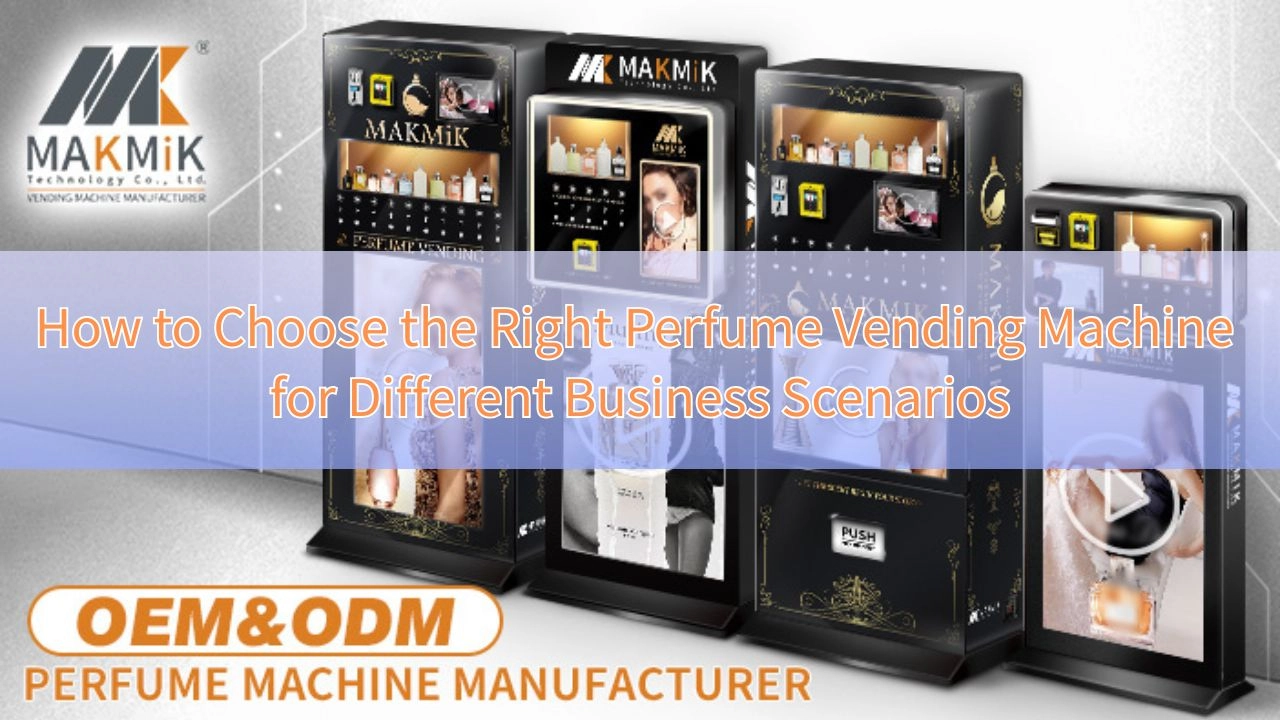
How to Choose the Right Perfume Vending Machine for Different Business Scenarios | MAKMIK Guide
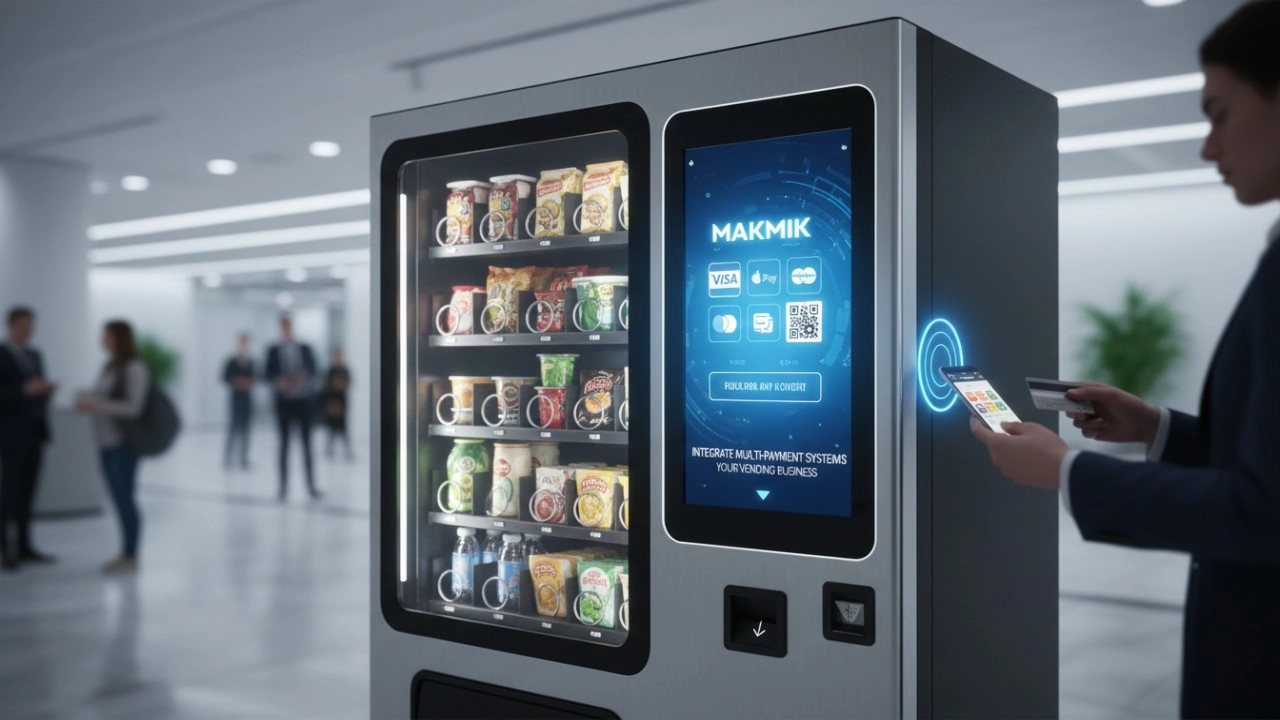
Integrating Multi-Payment Systems into Your Vending Business: The Ultimate 2026 Guide
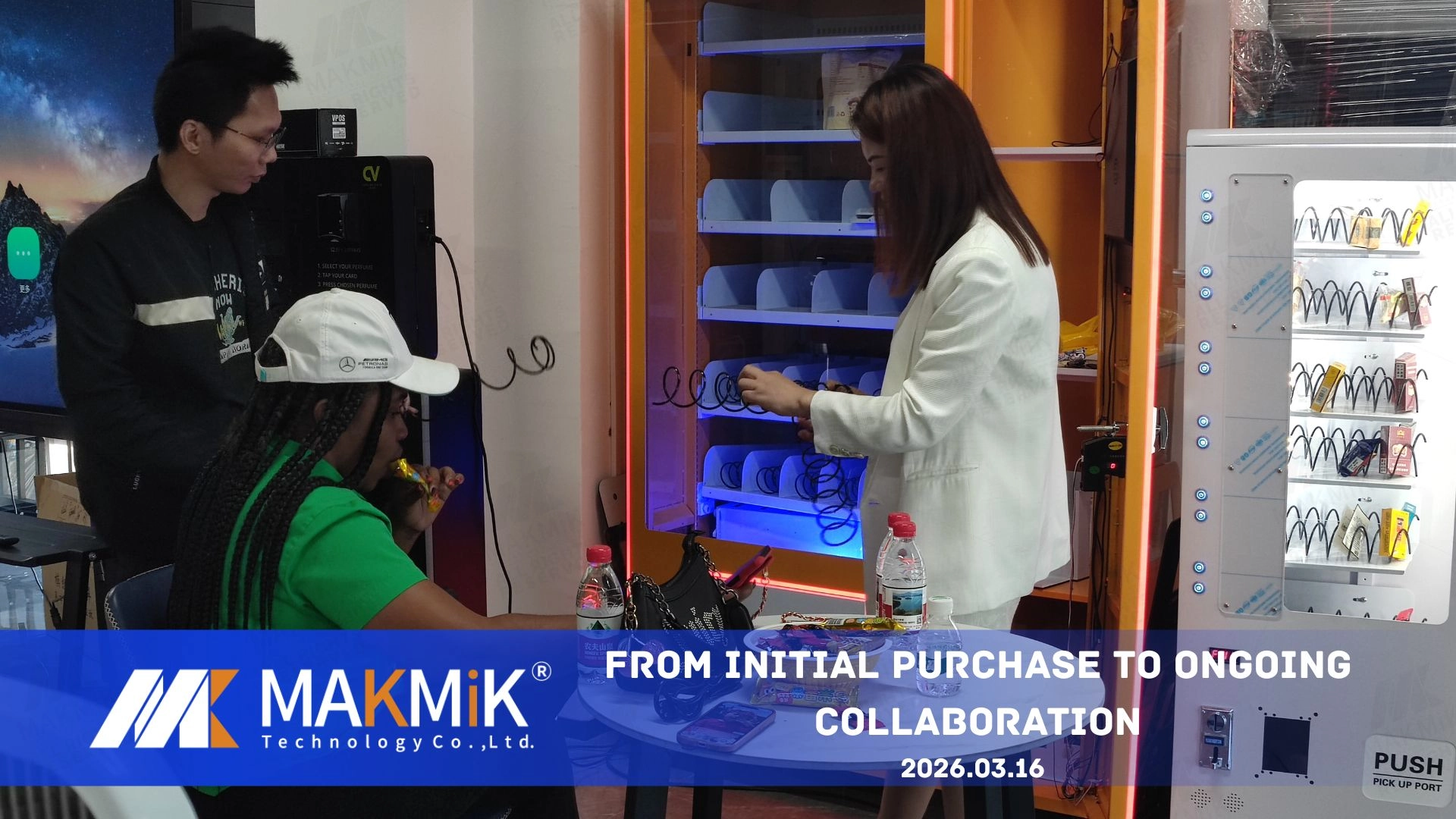
MAKMIK NEW | US Vending Machine Distributor Revisits MAKMIK to Explore New Products and Procurement Opportunities
FAQ
How can I monitor and manage my vending machines remotely?
Our vending machines come with advanced telemetry systems that allow remote monitoring and management through a web-based platform or mobile app.
How do you ensure the quality of your vending machines?
We adhere to strict quality control processes and use high-quality materials and components to ensure durability and reliability.
Can your vending machines be customized?
Yes, we offer customization options to meet specific client requirements, including branding, product selection, and payment systems.
What kind of technical support do you offer?
We provide 24/7 technical support, including troubleshooting, repair services, and remote assistance to resolve any issues promptly.
Do you provide installation and maintenance services?
Yes, we offer comprehensive installation and maintenance services to ensure your vending machines operate smoothly.
Send my request
Connect with us to schedule a consultation, request samples, or arrange a site visit to see our facilities and capabilities firsthand.
Reach out to us via phone, email, or through the contact form below, and we'll get back to you promptly within 24 hours.
© 2025 MAKMIK | All Rights Reserved.
Facebook
Linkedlin
YouTube
Instagram