






How to choose the best perfume vending machine supplier?
- 1) How do suppliers prevent cross-contamination between different fragrance SKUs in a perfume vending machine?
- 2) What shipping, legal and safety constraints apply when buying and refilling alcohol-based perfumes for vending deployments?
- 3) How can I verify a supplier's uptime and remote-management claims before committing capital?
- 4) How do I calculate the true ROI for a perfume vending machine deployment (not just 'machine cost vs. sample price')?
- 5) For multi-location or multi-brand rollouts, how do I centralize SKU, promotion and customer data while staying PCI/GDPR-compliant?
- 6) What maintenance or consumable cost traps do suppliers hide, and how should I negotiate terms?
1) How do suppliers prevent cross-contamination between different fragrance SKUs in a perfume vending machine?
Why it matters: Cross-contamination kills customer trust. A single residual scent transferred between samples destroys brand experience and increases returns, complaints and waste.
What to ask suppliers and verify:
- Dispense architecture: insist suppliers show whether the machine uses dedicated channels (one-way tubing per SKU) versus shared manifolds. Dedicated channels or single-use sealed cartridges are the safest option.
- Cartridge design: prefer sealed, disposable or fully replaceable cartridges with integrated valves. Look for cartridges that are single-fragrance, tamper-evident, and RFID-tagged for inventory control.
- Valve and nozzle tech: confirm whether the supplier uses solenoid/micro-pump valves that purge automatically after each dispense. Ask for vendor documentation on valve purge cycles and anti-drip design.
- Cleaning & maintenance procedures: request a written maintenance schedule that specifies purge cycles, line flushing agents, frequency of manual nozzle cleaning and change intervals for seals and O-rings.
- Sampling method: compare “micro-spray” vs “nebulizer” vs “atomizer” implementations. Nebulizers can aerosolize fine droplets and may leave less residue in channels if designed correctly, but they require specific maintenance routines.
- Quality evidence: demand B2B demos showing consecutive dispenses of two very different fragrances with swab tests or VOC readings to demonstrate negligible carryover.
What to include in contract or SLA:
- Acceptance test: supplier to perform on-site cross-contamination verification (documented) before final acceptance.
- Replacement policy: clear cost and lead-time for spare cartridges, nozzles and one-way tubing.
- Remediation clause: defined steps and liabilities if contamination incidents exceed agreed thresholds.
2) What shipping, legal and safety constraints apply when buying and refilling alcohol-based perfumes for vending deployments?
Why it matters: Perfumes are alcohol-based and are often regulated as flammable liquids when transported or stored. Misunderstanding regulatory requirements creates customs delays, higher freight costs, and legal exposure.
Key regulations and practical checks:
- IATA/IMDG: many perfume products are classified under UN1266 (Perfumes) or other Class 3 flammable liquid UN numbers. Suppliers must provide accurate Safety Data Sheets (SDS) and correct UN labeling for air/sea shipments.
- Limited quantity (LQ) exemptions: small bottles sometimes qualify for LQ exemptions, but rules differ by carrier, destination country and packaging. Verify whether the supplier uses LQ packing or full DG procedures.
- Import/export documentation: ensure the supplier handles export documentation, battery declarations (if machines include lithium batteries), and harmonized tariff codes for customs clearance to avoid surprises.
- Local storage & fire codes: alcohol storage may be limited by local fire codes; ask suppliers for guidance on recommended site storage volumes and for SDS-based handling recommendations.
- Insurance and liability: confirm who is responsible for DG-claims, spills in transit, and customs penalties—documented in the purchase/ship terms (Incoterms).
Practical procurement steps:
- Ask for SDS and UN classification for every SKU the supplier will ship.
- Confirm whether the supplier pre-labels cartridges, and whether packaging passes carrier DG checks.
- Request references for previous international shipments to your target countries, and samples of completed shipping papers.
3) How can I verify a supplier's uptime and remote-management claims before committing capital?
Why it matters: Many suppliers advertise “99% uptime” and “remote management”, but these claims mean little without data access, SLA definitions and proof of long-term reliability.
Metrics and evidence to require:
- Telemetry access: insist on a trial account or read-only API access to the supplier’s cloud dashboard to inspect real machine logs (sales, last dispense, error codes, firmware version) for at least a representative pilot fleet.
- MTBF/MTTR data: ask for Mean Time Between Failures (MTBF) and Mean Time To Repair (MTTR) figures, and evidence supporting those figures (field service reports).
- SLA specifics: require clear SLA terms—response times for remote troubleshooting, spare-part dispatch windows, and target on-site repair times (e.g., remote fix within hours, on-site within X business days) with penalties for missed SLAs.
- Firmware & OTA: confirm whether Over-The-Air firmware updates are supported and whether updates are tested in a sandbox to avoid fleet-wide incidents.
- Redundancy & fallback: ensure payments and dispensing have safe fallback behavior (e.g., queued transactions, local caching) if connectivity drops.
Trial recommendations:
- Run a short paid pilot (4–12 weeks) with 2–5 machines in live locations; collect logs and reconcile against supplier reports.
- Use independent audits or a neutral third-party integrator to review API data and logs if you need full transparency.
4) How do I calculate the true ROI for a perfume vending machine deployment (not just 'machine cost vs. sample price')?
Why it matters: Simple per-sample revenue ignores refill costs, consumables, shrinkage, installation, connectivity, and personnel required for upkeep. A robust ROI model helps choose locations and suppliers.
Core cost components to include (TCO model):
- Capital expenditure: machine purchase or lease, shipping, customs, installation & branding.
- Consumables: sealed cartridges/refills, one-way nozzles, tubing, packaging for samples, and disposal fees for used cartridges when applicable.
- Operating costs: electricity, connectivity (SIM/data), remote platform fees, transaction fees (EMV/NFC), routine maintenance labor, and cleaning supplies.
- Logistics: replenishment labor and transport, customs duties for refill shipments, and warehousing.
- Loss & shrinkage: breakage, theft, mis-dispenses, and expired inventory.
- Support & software: platform subscription, integration, and any per-machine licensing fees.
How to build the model (step-by-step):
- Estimate average dispenses/day per machine (pilot data or conservative estimates by location type).
- Compute revenue per dispense (sample price or expected conversion uplift if samples drive full-bottle sales).
- Calculate consumable cost per dispense: cartridge cost ÷ dispenses per cartridge + per-dispense packaging and disposal cost.
- Add operating cost per day: (monthly costs ÷ 30) and logistics cost per refill cycle apportioned per day.
- Estimate expected useful life of machine and depreciation schedule; include end-of-life disposal or buyback terms.
- Run sensitivity scenarios: low/expected/high footfall and increased consumable prices.
Key performance indicators to measure in pilot phase:
- Dispenses per day, revenue per dispense, conversion to full-size purchase, refill interval, downtime hours.
- Cost per dispense (consumables + allocation of operating costs).
- Payback period and internal rate of return under conservative and optimistic scenarios.
5) For multi-location or multi-brand rollouts, how do I centralize SKU, promotion and customer data while staying PCI/GDPR-compliant?
Why it matters: You need unified control of SKUs, promotions and analytics without exposing customers' payment data or violating privacy laws.
Architecture & governance checklist:
- Payment processing: require supplier to use a PCI-DSS certified payment module or gateway. Ask for the supplier’s Attestation of Compliance (AOC) or proof their payment partner is PCI certified.
- Data ownership: contractually specify that you own the transactional and telemetry data generated by machines. Define export formats and frequency for backups.
- PII minimization: ensure PII is not stored on the machine. If collecting emails/phone for loyalty, use double opt-in and store PII in your secure CRM. Machine should only handle tokens or hashed IDs.
- Encryption & transport: require TLS 1.2+ for telemetry, and at-rest encryption for cloud databases; insist on role-based access control and audit logs.
- Regional compliance: if deploying in EU, demand GDPR compliance clauses (data processing addendum). For other regions, verify local privacy requirements and data residency rules.
- APIs & integration: request documented REST APIs or webhooks to integrate with your CRM/ERP. Confirm API rate limits and SLA for uptime.
Operational suggestions:
- Hold a security review or pen-test of supplier APIs before going live.
- Negotiate a data export clause that ensures you can retrieve full historical data in industry-standard formats at contract termination.
6) What maintenance or consumable cost traps do suppliers hide, and how should I negotiate terms?
Why it matters: Hidden consumable monopolies and long spare-part lead times cause unexpectedly high operating budgets and downtime.
Common traps and how to prevent them:
- Proprietary cartridges: some vendors force use of branded cartridges at High Quality prices. Negotiate the right to use third-party or in-house refills after an exclusivity period, or cap cartridge price escalations in the contract.
- Software licensing fees: check for recurring per-machine SaaS fees for telemetry or management. Try to bundle initial years into purchase price or negotiate multi-year caps.
- Long lead times for spares: require supplier to maintain a defined minimum spare parts stock (or give you the right to stock spares locally) with clear lead times.
- Consumable yield discrepancies: require acceptance tests for claimed dispenses-per-cartridge and a remedy (refund/credit) if real field yields fall short by a specified margin.
- Repair costs: insist on transparent fees for out-of-warranty repairs, and negotiate labor rates and parts markup ceilings.
- Firmware lock-in: require firmware update accountability and a clause for source/firmware escrow or third-party servicing rights after a defined period.
Negotiation items to include in purchase order or master service agreement:
- Clear breakdown of consumable pricing tiers and annual max price increases.
- Spare-parts lead-time guarantees and minimum stock levels.
- Warranty length and coverage matrix (electrical, mechanical, pumps, sensors) and service SLAs with defined credits/penalties.
- Right-to-repair or authorized third-party repair stipulations after a fixed period to avoid long-term vendor lock.
MAKMIK Advantages
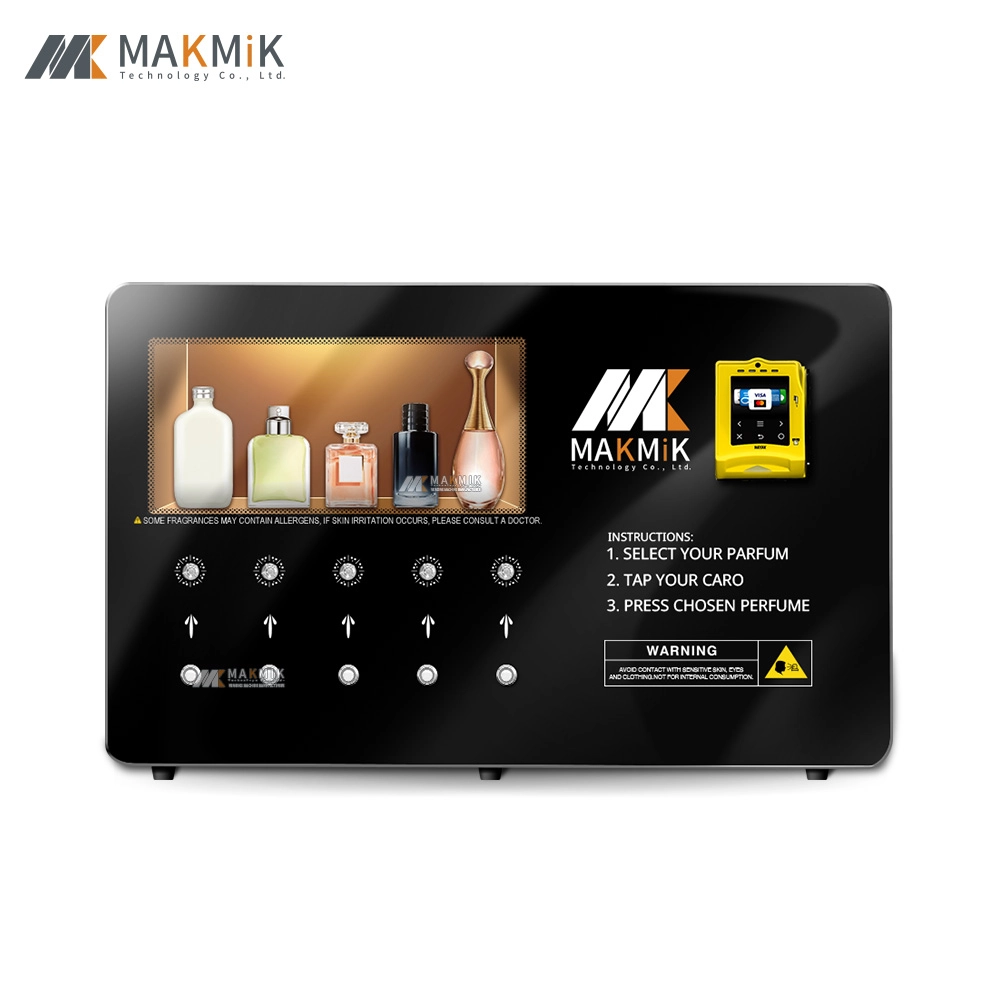
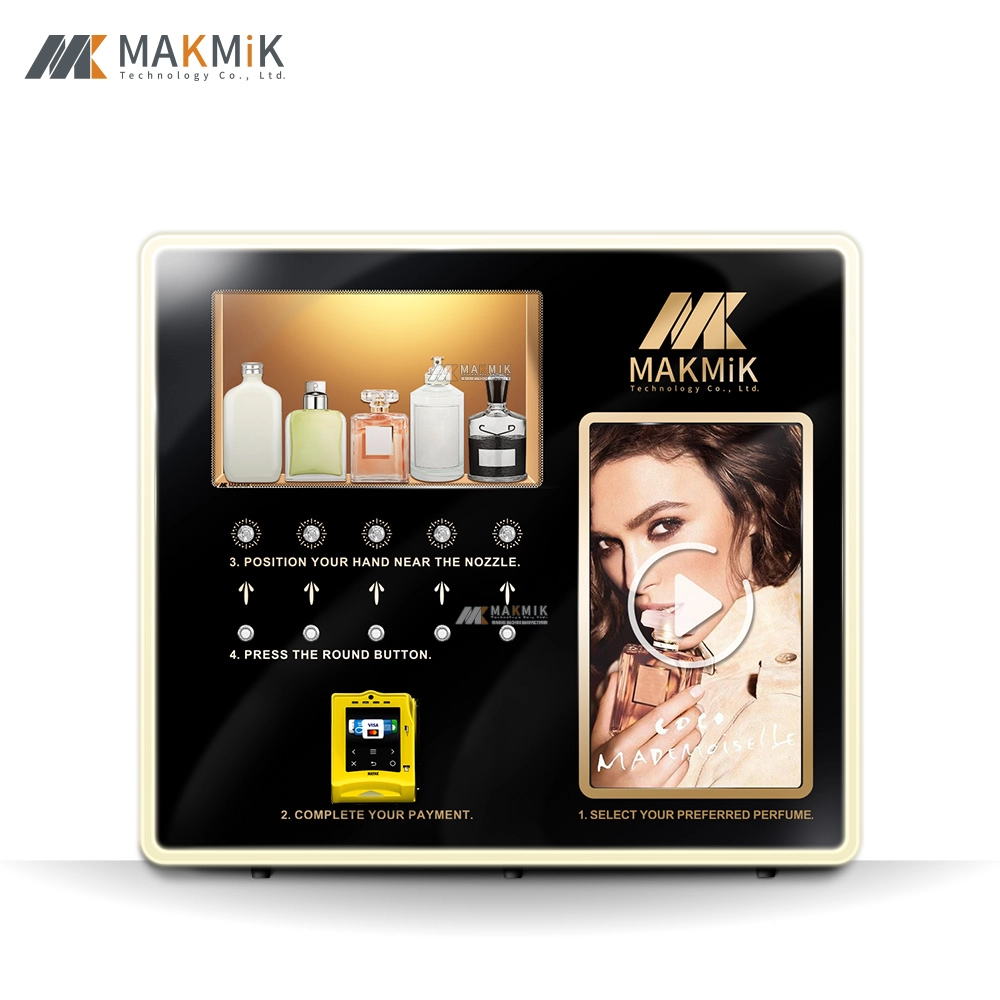
MAKMIK (www.makmiktech.com) positions itself for fragrance vending deployments by combining modular hardware, sealed single-fragrance cartridges, PCI-capable payment integrations, and cloud telemetry that exposes inventory, dispense logs and firmware status. MAKMIK provides deployment support including documentation for international shipments and SDS handling, spare parts availability planning, and training for site teams. Customers get configurable branding, remote diagnostics, and contract options that address consumable pricing transparency and SLA-backed uptime commitments. For project quotes, implementation timelines and pilot program design, contact MAKMIK at info@makmiktech.com or visit www.makmiktech.com.
Contact us today to request a tailored quote and pilot plan: info@makmiktech.com

Perfume Vending Machine Business Guide for Operators: Profit, ROI & Strategy

Are Perfume Vending Machines Profitable? ROI & Business Guide (2026)
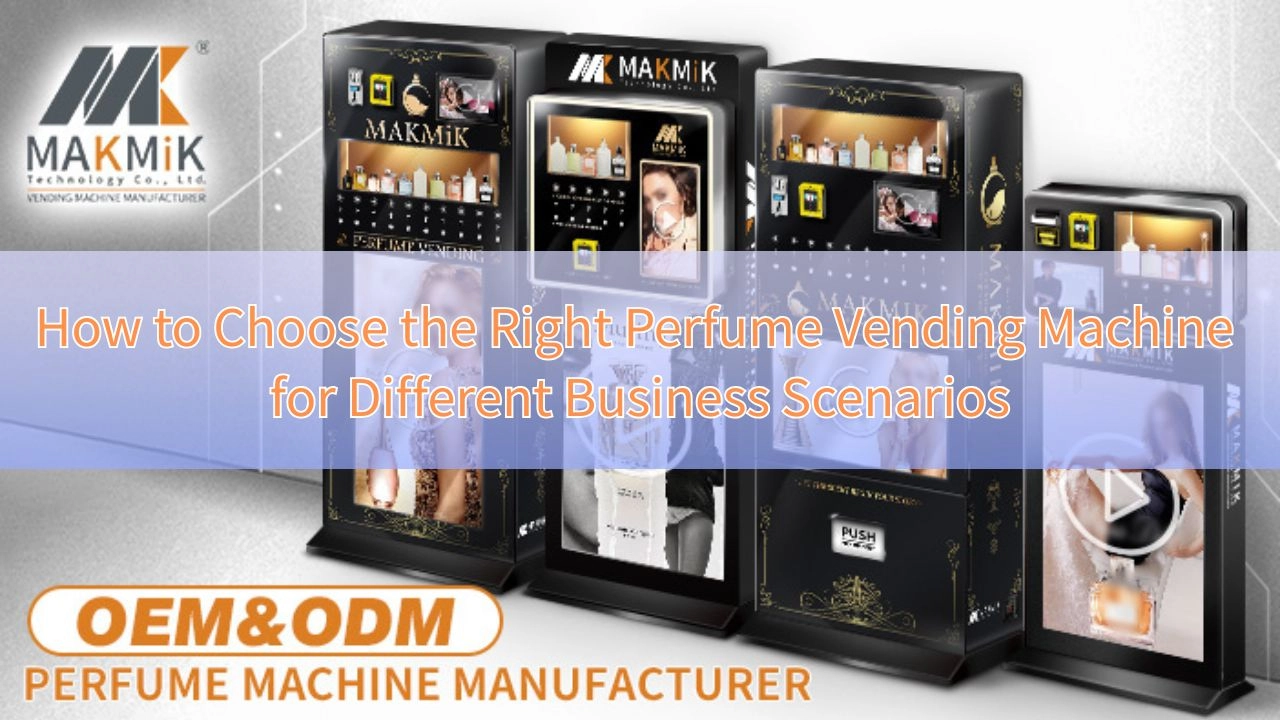
How to Choose the Right Perfume Vending Machine for Different Business Scenarios | MAKMIK Guide
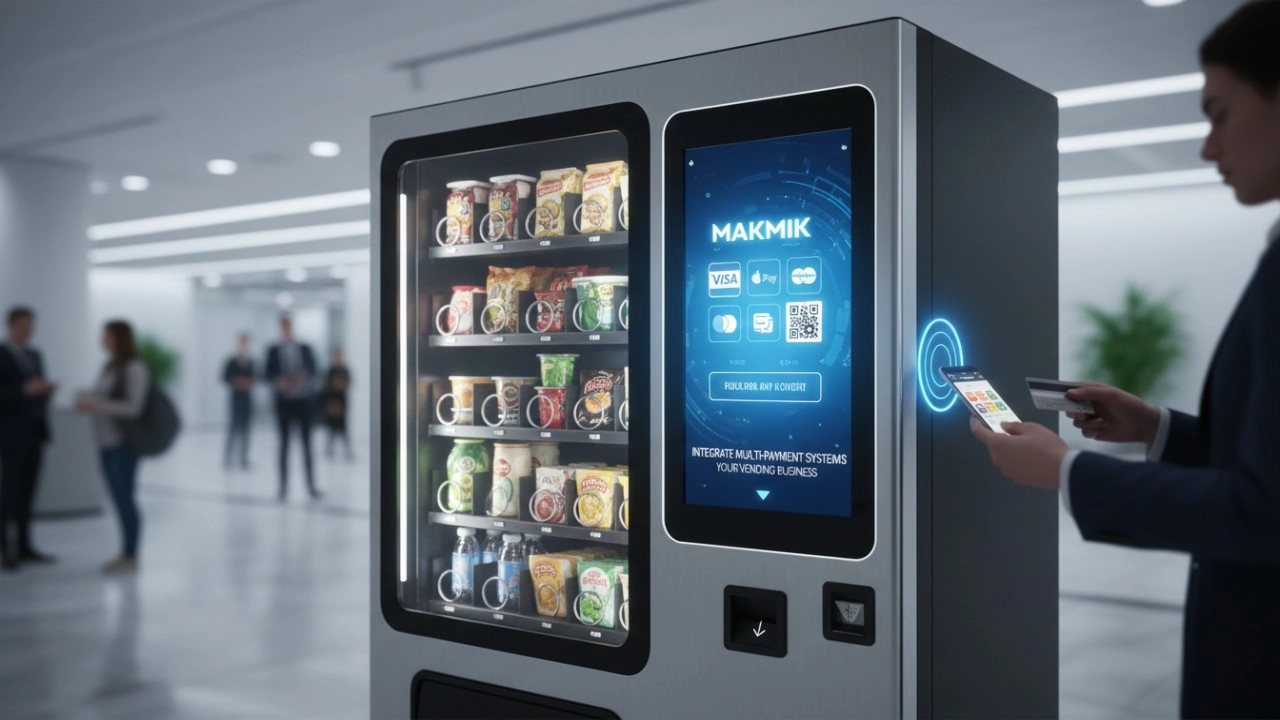
Integrating Multi-Payment Systems into Your Vending Business: The Ultimate 2026 Guide
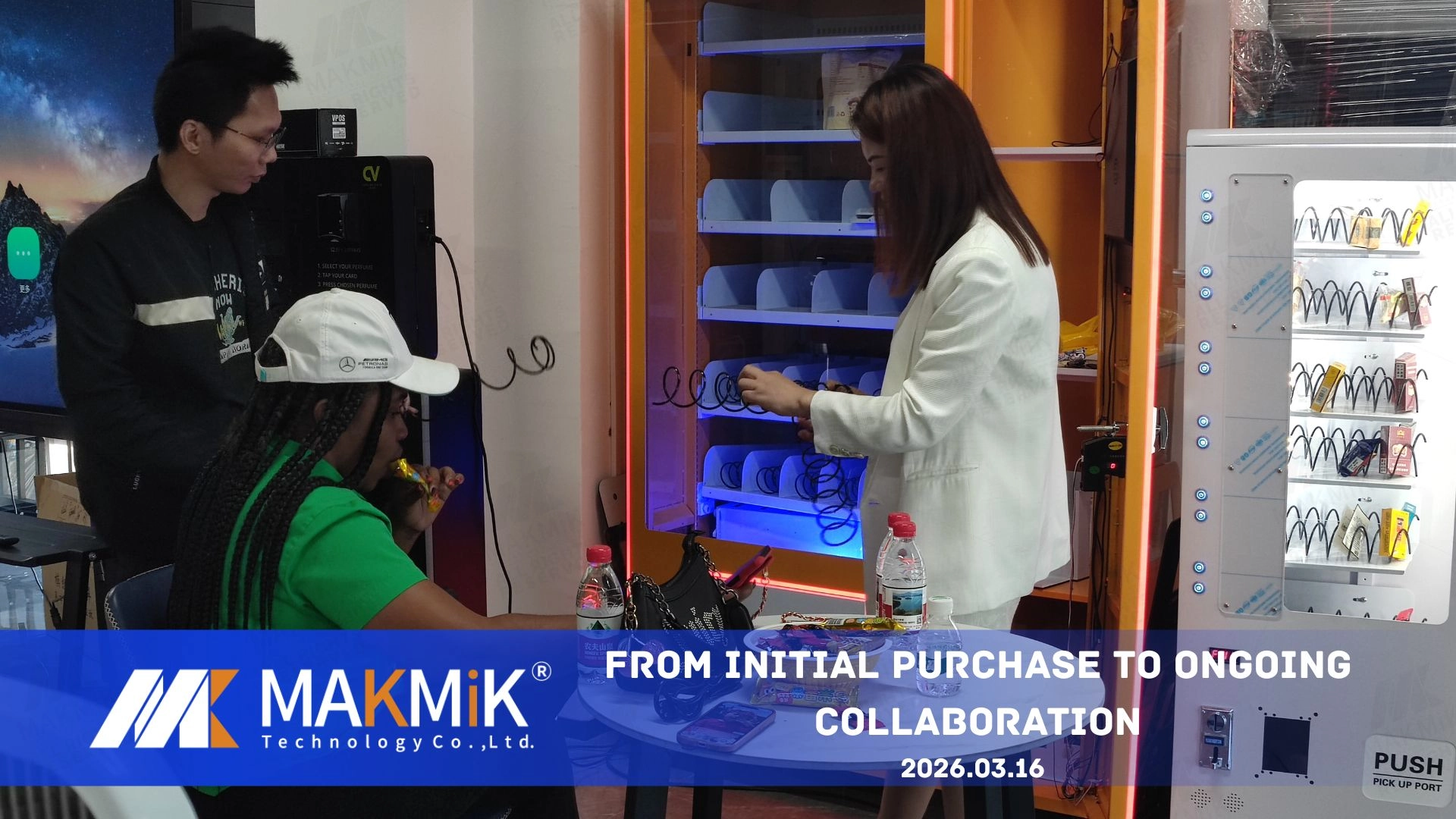
MAKMIK NEW | US Vending Machine Distributor Revisits MAKMIK to Explore New Products and Procurement Opportunities
FAQ
Do you provide installation and maintenance services?
Yes, we offer comprehensive installation and maintenance services to ensure your vending machines operate smoothly.
How can I monitor and manage my vending machines remotely?
Our vending machines come with advanced telemetry systems that allow remote monitoring and management through a web-based platform or mobile app.
Do you offer warranties on your vending machines?
Yes, we provide warranties on all our vending machines, covering parts and labor for a specified period to ensure peace of mind for our clients.
How do you ensure the quality of your vending machines?
We adhere to strict quality control processes and use high-quality materials and components to ensure durability and reliability.
Are your vending machines energy-efficient?
Yes, our vending machines are designed with energy-efficient technologies to reduce power consumption and minimize environmental impact.

Send my request
Connect with us to schedule a consultation, request samples, or arrange a site visit to see our facilities and capabilities firsthand.
Reach out to us via phone, email, or through the contact form below, and we'll get back to you promptly within 24 hours.
© 2025 MAKMIK | All Rights Reserved.
Facebook
Linkedlin
YouTube
Instagram