






End-to-End Support: From Installation to Ongoing Maintenance (2026 Guide)
- What is End-to-End Support in Technology Deployment?
- Quick Summary & Key Takeaways
- The 5 Core Stages of the Support Lifecycle
- Why a Single Provider Model Reduces Total Cost of Ownership (TCO)
- 2026 Trends: Predictive Analytics and IoT in Ongoing Maintenance
- MAKMIK's End-to-End Ecosystem for Smart Vending Machines
- Expert Tips & Common Mistakes in Post-Go-Live Support
- Conclusion
- FAQs About End-to-End Support: From Installation to Ongoing Maintenance
- What does end-to-end support mean in technology?
- Why is ongoing maintenance critical after installation?
- How does end-to-end support lower Total Cost of Ownership (TCO)?
- What are the key stages of lifecycle support services?
- How does IoT enable proactive and predictive maintenance?
- What should I look for in an end-to-end support provider?
- How does MAKMIK provide ongoing support for perfume vending machines?
- What is the difference between reactive support and end-to-end maintenance?
In the rapidly evolving landscape of smart retail and enterprise technology, securing your investment requires more than just buying premium hardware. End-to-End Support: From Installation to Ongoing Maintenance is the definitive framework for ensuring that complex systems deliver long-term value. As we navigate the technological demands of 2026, relying on fragmented vendors for deployment and upkeep is no longer viable. Businesses need a unified approach that handles every stage—from the initial blueprint to proactive telemetry monitoring. This guide breaks down the essential stages of lifecycle maintenance services, illustrates the cost-saving benefits of single-vendor IoT support, and provides actionable insights for future-proofing your operations.
What is End-to-End Support in Technology Deployment?
End-to-end support is a comprehensive lifecycle service model where a single provider manages a system from its initial design and physical installation to its long-term proactive maintenance. This unified approach eliminates vendor fragmentation, ensuring seamless operations, automated software updates, and immediate technical troubleshooting without relying on third-party contractors.
When a business deploys complex automated hardware—such as smart retail kiosks—coordinating between the hardware manufacturer, the software developer, and the local installation team often leads to communication breakdowns. A unified support model removes this friction. The company that designs the machine is the exact same entity that installs it and monitors its health.
The benefits of utilizing a comprehensive end-to-end model include:
- Operational Continuity: Single-source accountability eliminates the "blame game" between different hardware and software vendors when an error occurs.
- Faster Troubleshooting: The technical team inherently understands the system's architecture, allowing for rapid issue resolution.
- Lower Overall Costs: This strategy guarantees higher uptime, improved security, and a significantly lower Total Cost of Ownership (TCO) over the equipment's lifespan.
Quick Summary & Key Takeaways
The primary takeaway of end-to-end support is that physical installation is merely day one; true return on investment (ROI) is realized through dedicated post-go-live care. Partnering with an experienced manufacturer ensures direct access to OEM replacement parts and continuous firmware upgrades.
Navigating the lifecycle of commercial hardware requires a strategic mindset. Without ongoing care, even the most advanced systems will degrade.
- Single-Vendor Efficiency: Single-vendor models eliminate the administrative burden of managing multiple service contracts.
- Proactive Operations: Modern support transitions from reactive break-fix repairs to predictive tech troubleshooting powered by IoT diagnostics.
- Manufacturer Advantage: Working directly with the original equipment manufacturer (OEM) ensures that your hardware and software remain perfectly synchronized as operating systems evolve.
The 5 Core Stages of the Support Lifecycle
The support lifecycle consists of five distinct stages: custom planning, system integration, physical deployment, staff training, and continuous proactive maintenance. Following these steps systematically ensures that automated hardware operates safely, efficiently, and profitably for years.
To effectively manage a deployment, businesses must understand how these stages interconnect. Skipping or rushing any phase can lead to cascading failures during daily operations.
Here are the five foundational stages of comprehensive lifecycle maintenance services:
- Stage 1: Custom Planning and Engineering Design: Tailoring the hardware and software architecture to fit your specific operational environment and customer demographics.
- Stage 2: Seamless Integration: Synchronizing physical hardware equipment with the operational software and payment gateways.
- Stage 3: Professional Installation: Conducting the physical setup to ensure safety, regulatory compliance, and immediate functionality.
- Stage 4: Comprehensive Training: Educating on-site staff and facility managers to handle top-level daily operations, such as restocking and basic cleaning, safely.
- Stage 5: Ongoing Maintenance: Providing continuous care, which covers automated software updates, remote system diagnostics, and expert field repairs.
Why a Single Provider Model Reduces Total Cost of Ownership (TCO)
A single provider model reduces Total Cost of Ownership (TCO) by minimizing administrative overhead, preventing costly operational downtime, and accelerating technical problem resolution. Because the team that built the system is the team fixing it, businesses avoid the financial drain of extended troubleshooting delays.
Total Cost of Ownership is a financial estimate intended to help buyers determine both the direct and indirect costs of a product or service. In the context of smart retail, the indirect costs of machine downtime—such as lost sales and damaged brand reputation—often far exceed the initial hardware purchase price.
By consolidating your Service Level Agreements (SLAs) into one contract, you inherently lower your TCO. Here is a breakdown of how a single-vendor model outperforms a fragmented approach:
| Feature/Metric | Single-Vendor End-to-End Support | Multi-Vendor Reactive Support |
|---|---|---|
| Accountability | One point of contact for all issues. | Fragmented; frequent vendor "blame game". |
| Resolution Speed | Rapid; provider has full system blueprints. | Slow; requires coordination between contractors. |
| Maintenance Style | Scheduled, cohesive preventative maintenance plans. | Break-fix; repairs only happen after a failure. |
| Scaling & Upgrades | Streamlined; provider knows your baseline infrastructure. | Complex; risks hardware-software incompatibility. |
| Overall TCO | Low indirect costs; high operational uptime. | High hidden costs due to prolonged downtime. |
2026 Trends: Predictive Analytics and IoT in Ongoing Maintenance
By 2026, standard maintenance relies heavily on predictive AI analytics and IoT connectivity, resolving issues remotely before a physical hardware failure occurs. This shift extends equipment lifecycles through precise, data-driven tune-ups while taking sustainability center stage.
The landscape of technical support has undergone a massive transformation due to the Internet of things, which Wikipedia defines as physical objects embedded with sensors and processing ability to exchange data over communication networks. This connectivity enables machines to broadcast their operational health in real time.
Furthermore, Predictive maintenance techniques are designed to determine the condition of in-service equipment to estimate exactly when maintenance should be performed, significantly saving costs over time-based prevention.
- Real-Time Telemetry: IoT-connected devices continuously send data to central support hubs, automating the dispatch of technicians and the ordering of replacement parts.
- Remote Ecosystems: Remote troubleshooting platforms allow engineers to patch software vulnerabilities, reboot systems, or clear software caches without costly and time-consuming on-site visits.
- Sustainability: By repairing specific components just before they fail, businesses reduce electronic waste and extend the profitable life of the machine.
MAKMIK's End-to-End Ecosystem for Smart Vending Machines
MAKMIK delivers industry-leading end-to-end support for smart vending solutions by leveraging over 10 years of R&D experience in the Internet of Things and unmanned retail. From our 20,000 square meter automated manufacturing facility to final site deployment, we control the entire hardware and software ecosystem.
The complexity of operating an Automated Perfume Retail Business demands flawless execution. MAKMIK specializes in sophisticated perfume vending machines and beauty retail technology, ensuring that the software interface is perfectly synchronized with the internal dispensing mechanics from day one.
Because we design, build, and support our own machines, our single-vendor IoT support is unmatched:
- Manufacturing Power: We utilize fully automatic assembly lines, CNC machining centers, and laser cutting equipment to produce thousands of high-quality machines annually.
- Expert Technical Roster: Clients have immediate, direct access to our team of more than 300 skilled technical workers.
- Proactive Post-Installation Care: Our ongoing support includes remote telemetry monitoring, proactive firmware updates, and strict quality control standards for any OEM replacement parts needed over the machine's lifespan.
Expert Tips & Common Mistakes in Post-Go-Live Support
A critical expert tip for post-go-live support is to establish clear Key Performance Indicators (KPIs) for uptime and response times within your Service Level Agreement (SLA). Conversely, the most common mistake is treating installation as a finite transaction rather than the beginning of a strategic partnership.
Achieving a high return on investment requires active management and a strong relationship with your provider. Many businesses fail to maximize their hardware's potential because they neglect the operational requirements of the post-installation phase.
To ensure your deployment is successful, keep these crucial guidelines in mind:
- Mistake - Ignoring Updates: Failing to perform routine software and security firmware updates leaves your machines vulnerable to digital threats and operational downtime.
- Tip - Choose Direct Manufacturers: Select an end-to-end provider with direct manufacturing capabilities to avoid crippling supply chain delays when you need replacement parts.
- Tip - Define Response Times: Always ensure your SLA legally defines how quickly remote and on-site support will be provided during peak business hours.
Conclusion

End-to-End Support: From Installation to Ongoing Maintenance is the definitive strategy for maximizing the lifespan and profitability of your technological investments. By relying on a unified expert provider, businesses can eliminate downtime, adapt to 2026 IoT trends, and deliver consistent, premium experiences to their end-users. Proper planning, seamless integration, and proactive, AI-driven care transform a standard piece of hardware into a reliable, revenue-generating asset. Contact us today to optimize your End-to-End Support: From Installation to Ongoing Maintenance strategy.
FAQs About End-to-End Support: From Installation to Ongoing Maintenance
What does end-to-end support mean in technology?
It refers to a service model where a single vendor handles every phase of a product's lifecycle. This includes planning, hardware manufacturing, software integration, physical installation, and long-term maintenance.
Why is ongoing maintenance critical after installation?
Ongoing maintenance prevents unexpected hardware failures and software vulnerabilities. It ensures the system runs at peak efficiency, maximizing the return on investment over years of use.
How does end-to-end support lower Total Cost of Ownership (TCO)?
It reduces the need to hire multiple specialized third-party contractors. Proactive care prevents catastrophic break-downs that cause expensive operational downtime.
What are the key stages of lifecycle support services?
The standard stages are planning/design, system integration, physical deployment, staff training, and continuous proactive maintenance.
How does IoT enable proactive and predictive maintenance?
IoT sensors continuously monitor the health of internal hardware components. They alert technicians to anomalies before a component actually breaks, allowing for scheduled, non-disruptive repairs.
What should I look for in an end-to-end support provider?
Look for deep industry experience, direct control over manufacturing or software code, and a robust SLA for response times. A proven track record of long-term client retention is also a vital indicator of quality support.
How does MAKMIK provide ongoing support for perfume vending machines?
MAKMIK leverages over a decade of IoT experience to offer seamless hardware and software synchronization. Support includes remote monitoring, immediate troubleshooting, and access to OEM parts manufactured in our proprietary 20,000 sqm facility.
What is the difference between reactive support and end-to-end maintenance?
Reactive support only acts when a system breaks, leading to lost revenue and frustration. End-to-end maintenance is a holistic, continuous approach that actively prevents issues and optimizes the system continuously.
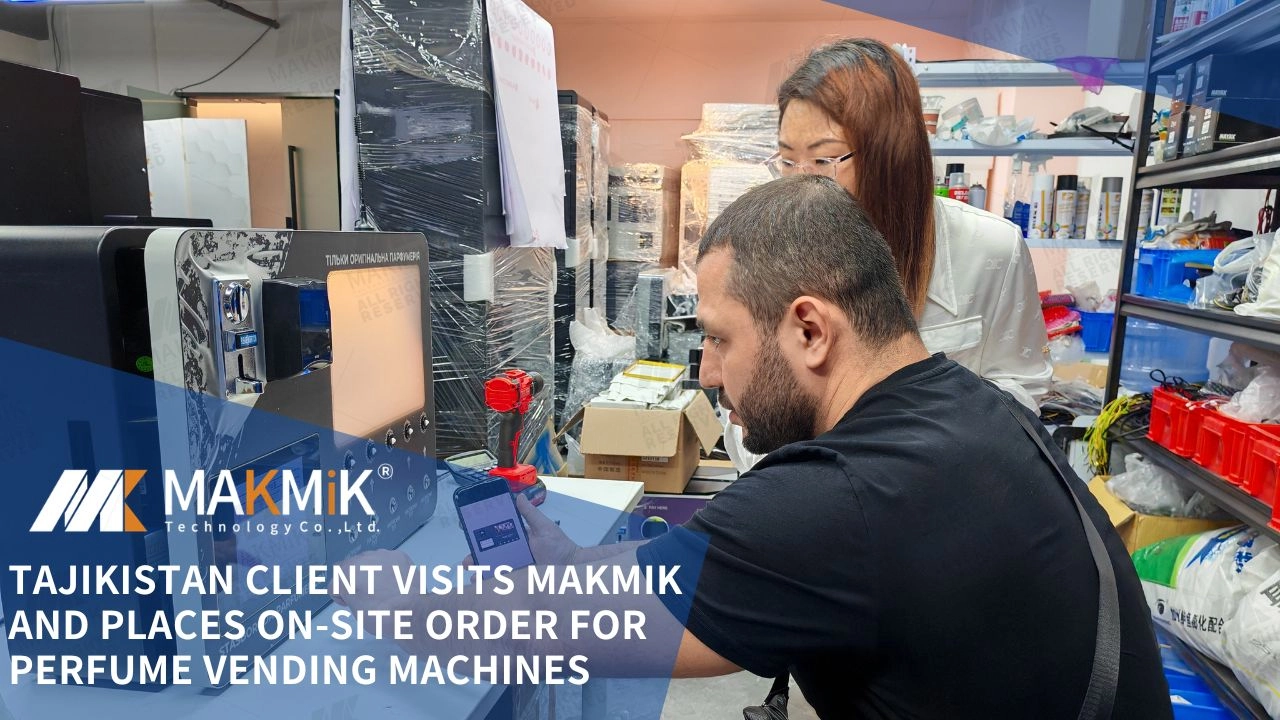
Tajikistan Client Visits MAKMIK and Places On-Site Order for Perfume Vending Machines
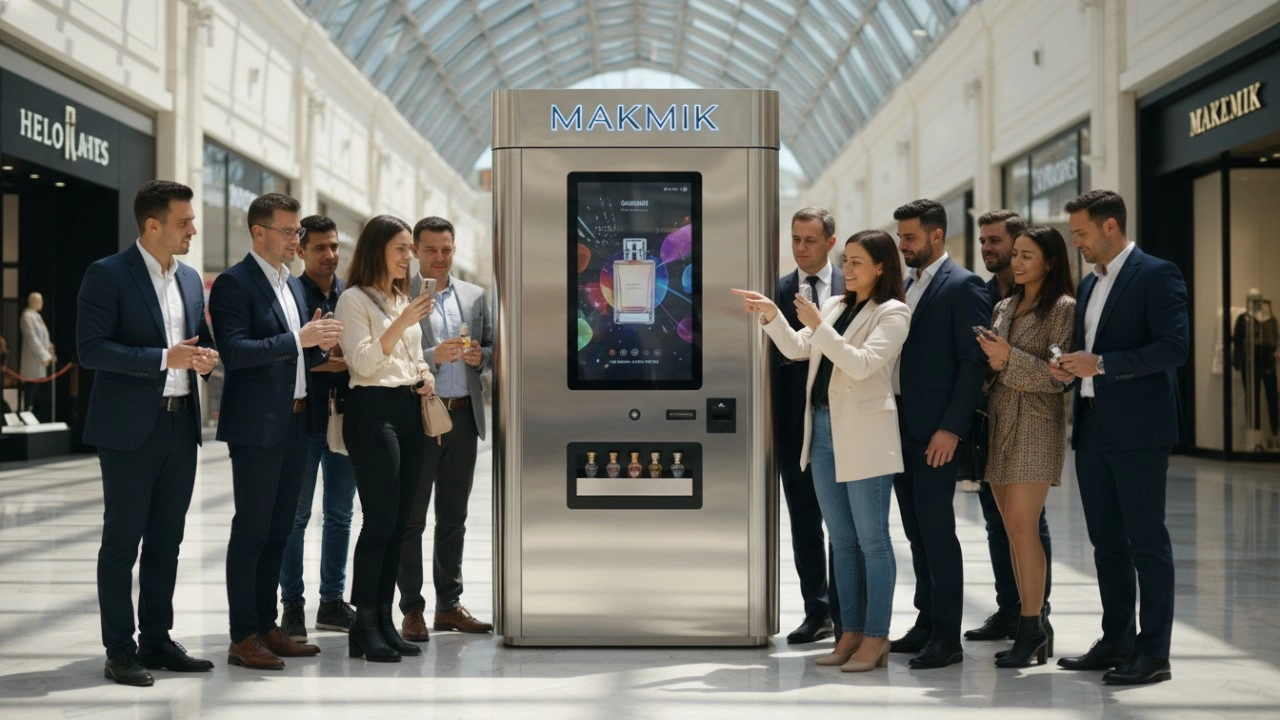
How to Profit from Perfume Vending Machines: Distributor Business Model Guide
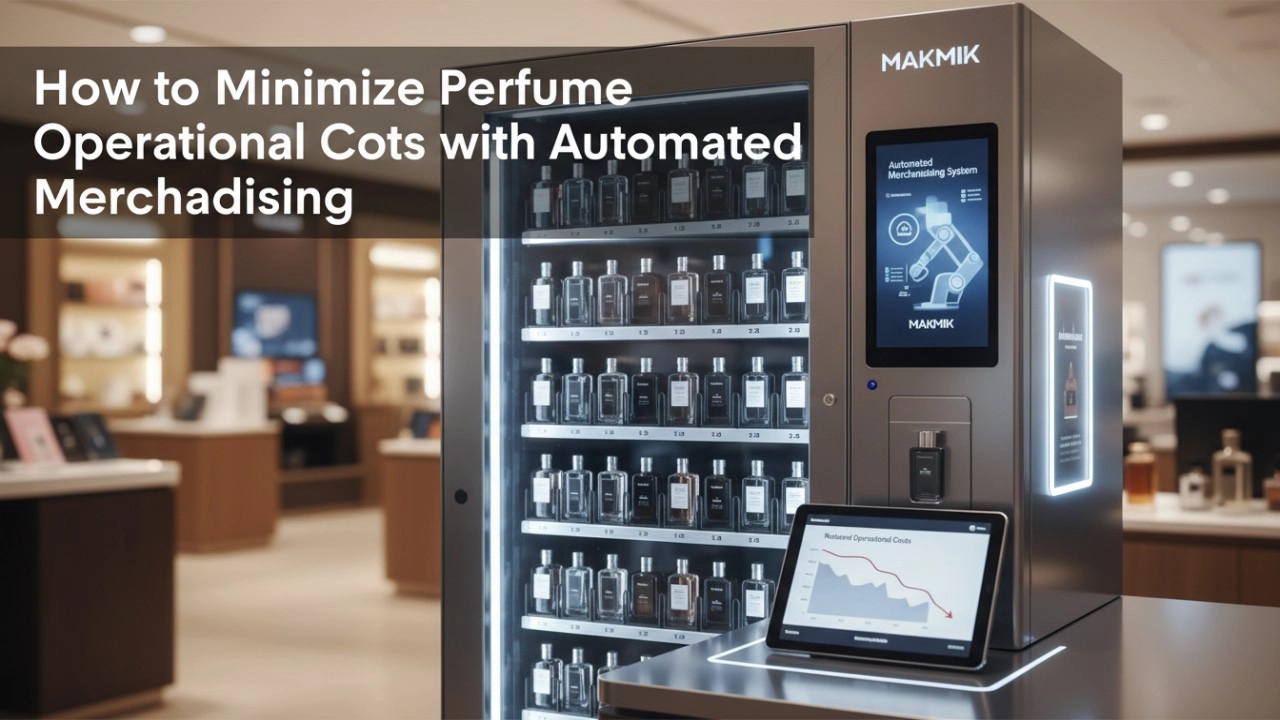
How to Minimize Perfume Operational Costs with Automated Merchandising in 2026
Compliance & Safety: Meeting Perfume Global Standards for Vending Hardware in 2026
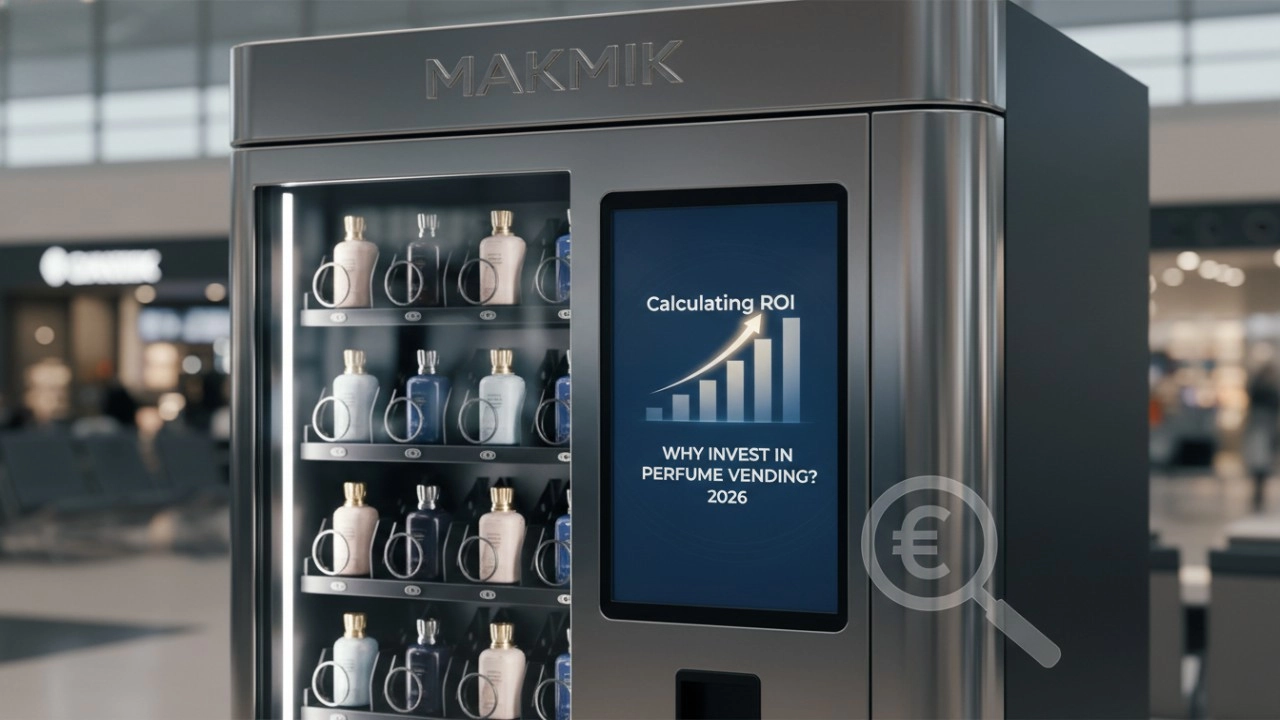
Top 10 Benefits of Calculating ROI: Why Invest in Perfume Vending in 2026 You Need to Know
FAQ
What is the lead time for manufacturing and delivery?
Lead times vary based on the type and quantity of vending machines ordered, but we strive to deliver within 6-8 weeks from the date of order confirmation.
What types of vending machines do you manufacture?
We manufacture a wide range of vending machines, including snack, beverage, combo, fresh food, and specialty vending machines.
What payment options do your vending machines support?
Our vending machines support various payment methods, including cash, credit/debit cards, mobile payments, and contactless payments.
How do you ensure the quality of your vending machines?
We adhere to strict quality control processes and use high-quality materials and components to ensure durability and reliability.
Do you provide installation and maintenance services?
Yes, we offer comprehensive installation and maintenance services to ensure your vending machines operate smoothly.


Send my request
Connect with us to schedule a consultation, request samples, or arrange a site visit to see our facilities and capabilities firsthand.
Reach out to us via phone, email, or through the contact form below, and we'll get back to you promptly within 24 hours.
© 2025 MAKMIK | All Rights Reserved.
Facebook
Linkedlin
YouTube
Instagram