





Compliance & Safety: Meeting Perfume Global Standards for Vending Hardware in 2026
- What Are the Global Compliance and Safety Standards for Vending Hardware?
- Quick Summary & Key Takeaways
- The Core Pillars of Vending Machine Safety Certifications
- 1. UL 751 Overview
- 2. IEC 60335-2-75 Fundamentals
- 3. CE Marking Requirements
- Global Compliance Data Comparison
- Environmental & Electromagnetic Compliance: RoHS, REACH, and FCC
- ADA Compliance and Accessibility Standards for 2026
- Specialized Focus: Compliance for Perfume Vending Machines
- Expert Tips & Common Mistakes in Vending Hardware Manufacturing
- How MAKMIK Meets and Exceeds Global Vending Standards
- Conclusion
- FAQs About Compliance & Safety: Meeting Global Standards for Vending Hardware
- What is the UL 751 standard for vending machines?
- Are perfume vending machines required to be ADA compliant?
- What does IEC 60335-2-75 cover for smart vending hardware?
- How do I get a CE mark for a custom perfume vending machine?
- Why is FCC Part 15 compliance important for vending hardware?
- What are the key differences between RoHS and REACH for electronics?
- Do perfume spray vending machines need specific temperature controls?
- How can manufacturers prepare for 2026 vending accessibility regulations?
Mastering Compliance & Safety: Meeting Global Standards for Vending Hardware is the most critical step for any automated retail brand aiming to expand internationally. As the unmanned retail sector evolves, regulatory bodies worldwide have tightened their requirements to ensure public safety, environmental sustainability, and universal accessibility. For brands deploying high-value retail units in 2026, understanding the intersection of hardware engineering and legal certification is no longer optional—it is a mandatory baseline for operational success.
What Are the Global Compliance and Safety Standards for Vending Hardware?
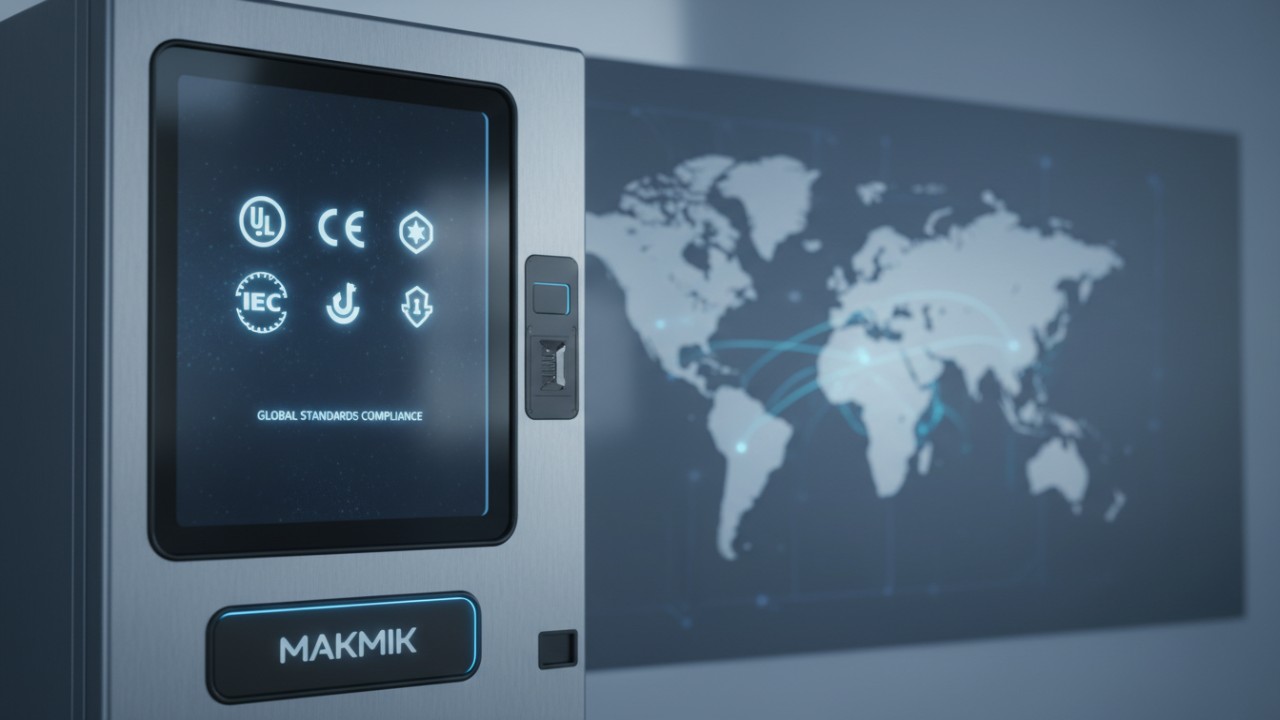
Global compliance and safety standards for vending hardware are strict regulatory frameworks designed to protect users and operators from electrical, mechanical, and fire hazards. They encompass electrical safety, electromagnetic compatibility, environmental regulations, and physical accessibility to ensure machines operate securely in international markets.
Building an Automated Perfume Retail Business requires specialized hardware that meets stringent international regulations. These globally recognized standards ensure that machines are fire-resistant, mechanically stable, and free from shock hazards. By achieving these certifications, manufacturers verify that their equipment can withstand continuous public use without endangering consumers or damaging the surrounding property.
Key certifications that operators must prioritize include:
- North American Standards: The UL 751 vending machine certification focuses strictly on electrical and fire safety within the United States and Canada.
- European Standards: The CE mark for smart vending machines is legally required to trade and operate machinery within the European Economic Area.
- International Standards: The IEC 60335-2-75 safety standards provide a universal baseline for the safety of commercial dispensing appliances.
Quick Summary & Key Takeaways
Successfully launching automated retail hardware internationally requires understanding a complex web of certifications, environmental directives, and accessibility laws. Complying with these benchmarks ensures long-term operational success and protects your brand against costly regulatory fines.
When planning a hardware deployment in 2026, keep these critical takeaways in mind:
- Regional Requirements: Selling automated retail hardware globally requires strict adherence to region-specific certifications, including UL, CE, BIS, and AS/NZS.
- Niche Specifications: Perfume vending machine compliance demands unique hardware capabilities, such as internal temperature control and anti-tamper security, to protect volatile liquids.
- Eco-Friendly Engineering: Environmental directives like RoHS and REACH restrict the use of toxic materials in PCB design and component manufacturing.
- Accessibility Mandates: Upcoming ADA compliant vending hardware 2026 mandates will strictly govern screen reachability, physical hardware design, and interactive UI elements.
The Core Pillars of Vending Machine Safety Certifications
The core pillars of vending machine safety certifications revolve around preventing electrical shock, eliminating fire hazards, and ensuring mechanical stability. Meeting these stringent testing protocols guarantees that your automated hardware operates safely in any high-traffic, public commercial environment.
To confidently enter international markets, equipment manufacturers must thoroughly navigate three foundational safety benchmarks:
1. UL 751 Overview
The UL 751 vending machine certification evaluates North American standards for electrical leakage, mechanical stability, and fire hazards. Passing this evaluation confirms the machine can handle typical usage scenarios without compromising quality or safety, as reported by Keystone Compliance. Machines are subjected to rigorous tipping tests and electrical stress tests to ensure they remain grounded and stable even under physical duress.
2. IEC 60335-2-75 Fundamentals
The IEC 60335-2-75 safety standards serve as the definitive global benchmark for commercial dispensing appliances and voltage specifications. This standard covers risks like electric shock, mechanical hazards, and overheating in areas open to the public, as reported by the International Electrotechnical Commission. It ensures that hardware can safely operate across various international voltage grids without risk of internal short-circuiting.
3. CE Marking Requirements
Obtaining a CE mark for smart vending machines involves a rigorous 6-step conformity assessment process under the EU Machinery Regulation. Manufacturers must compile a comprehensive technical file, conduct standardized electrical tests, and draft a formal Declaration of Conformity. This mark guarantees that the machine complies with all relevant European health, safety, and environmental protection directives.
Global Compliance Data Comparison
| Certification Standard | Primary Region | Core Regulatory Focus | Key Application for Vending Hardware |
|---|---|---|---|
| UL 751 | North America | Electrical, fire, and structural safety | Mandatory for commercial insurance and widespread deployment in the US/Canada. |
| IEC 60335-2-75 | Global / International | Commercial dispensing appliance safety | Establishes the baseline for preventing shock and mechanical hazards worldwide. |
| CE Mark | Europe (EEA) | Machinery, health, and environmental safety | Legally required for importing, exporting, and operating in European markets. |
| ADA 2026 Guidelines | United States | Physical and digital user accessibility | Dictates wheelchair clearance, screen height, and tactile interaction requirements. |
Environmental & Electromagnetic Compliance: RoHS, REACH, and FCC
Environmental and electromagnetic compliance ensures that vending hardware operates without emitting harmful interference or relying on toxic components. These regulations safeguard public health, protect local communication networks, and ensure safe end-of-life disposal for electronic hardware.
Modern smart vending machines are highly complex IoT devices. Consequently, they must comply with data transmission and chemical safety laws:
- RoHS & REACH Compliance: Navigating chemical footprint restrictions is vital. Manufacturers must manage and eliminate toxic materials (like lead and mercury) in their PCB components and wiring harnesses to ensure safe global distribution.
- FCC Part 15 Compliance: Because smart vending telemetry systems rely on Wi-Fi, 5G, and Bluetooth, they act as intentional and unintentional radiators. FCC compliance ensures these radio frequencies do not interfere with external emergency communications or nearby electronics.
- Energy Efficiency Benchmarks: Aligning hardware with modern Energy Star Tier I and II requirements is crucial for minimizing carbon footprints. This applies to both refrigerated compartments and ambient LED display lighting.
ADA Compliance and Accessibility Standards for 2026
ADA compliance for vending hardware in 2026 dictates specific physical and digital accessibility benchmarks so that all individuals, regardless of ability, can operate the machines. These updated rules enforce strict physical reach ranges and interactive digital screen accessibility.
As the enforcement of ADA guidelines intensifies, achieving full compliance is essential to ensure usability for individuals with disabilities, as reported by eVending. Failure to deploy ADA compliant vending hardware 2026 models can result in severe legal penalties and alienate a significant portion of the consumer base.
- Physical Reach Ranges: The ADA mandates strict floor space dimensions (a minimum of 30x48 inches of clear floor space). Furthermore, all tactile buttons, payment gateways, and product retrieval bins must fall within a strict reach range of 15 to 48 inches from the ground.
- Preparing for 2026 Digital Updates: The upcoming digital accessibility updates will heavily regulate interactive smart screens. Machines will be expected to feature high-contrast UI designs, screen-reading capabilities, and audio-assisted navigation.
- Universal Design: Ensuring seamless wheelchair access and visually impaired payment interactions must be prioritized during the initial CAD design phase of the machine's chassis.
Specialized Focus: Compliance for Perfume Vending Machines
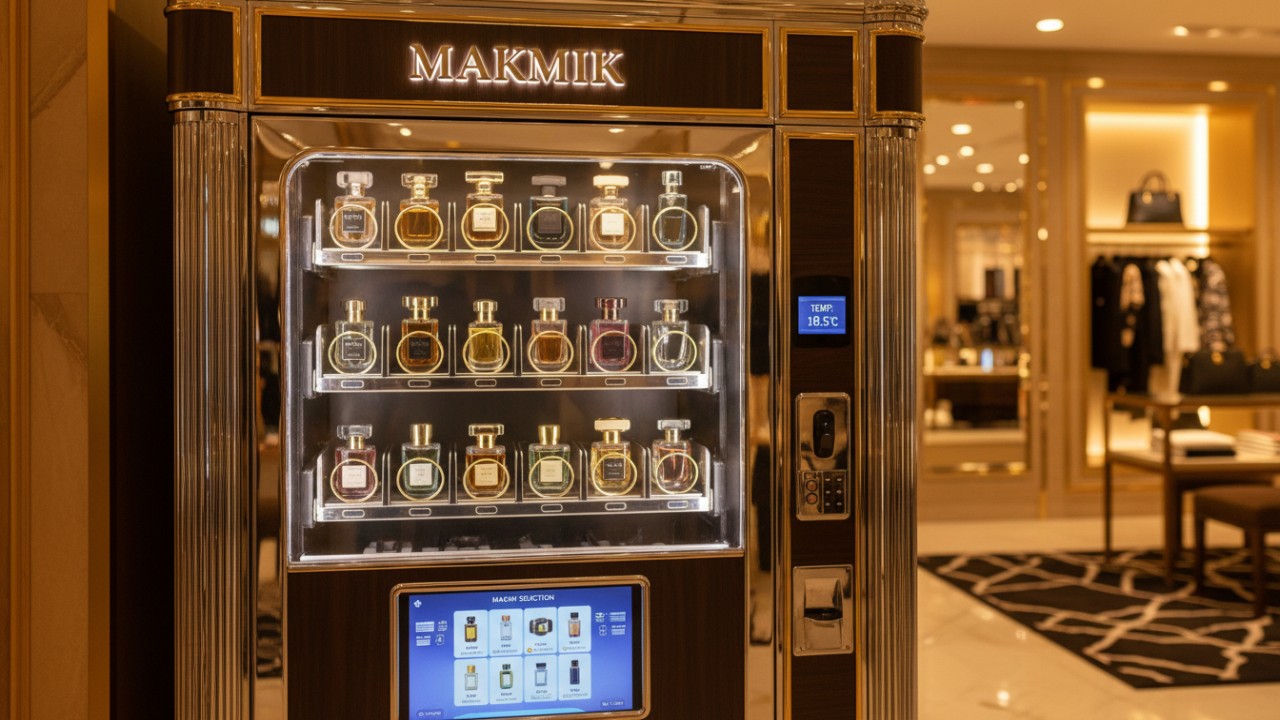
Compliance for perfume vending machines requires specialized engineering beyond standard snack dispensers, focusing heavily on climate control, precision dispensing, and reinforced security. These targeted measures protect high-value, fragile cosmetics from degradation, breakage, and theft.
Standard hardware compliance is simply not enough for the luxury cosmetic sector. Achieving true perfume vending machine compliance involves overcoming several unique engineering hurdles:
- Precision Dispensing Safety: Perfume bottles are fragile. Elevators and robotic arms must be engineered with anti-breakage mechanics to ensure soft delivery. Additionally, internal temperature stabilization is required because liquid fragrances contain alcohol; excessive heat can degrade the scent notes and create internal pressure hazards.
- High-Security Hardware: Because fragrances are high-ticket items, machines require advanced anti-theft mechanisms, reinforced shatter-proof glass, and highly secure biometric or cashless payment gateways to deter vandalism in luxury retail spaces.
- Perfume Spray Mechanics: For machines equipped with automated sampling, hygiene and sanitary compliance are critical. Spray nozzles must feature automated cleaning protocols and secure fluid-routing systems to prevent contamination and ensure user safety during automated perfume sampling.
Expert Tips & Common Mistakes in Vending Hardware Manufacturing
The most frequent mistake in vending manufacturing is treating compliance as a post-production afterthought rather than an integrated engineering goal. Addressing safety and accessibility standards early prevents costly delays, hardware redesigns, and failures during final laboratory testing.
Based on decades of collective industry experience, here are the critical pitfalls to avoid and the best practices to adopt:
- Common Mistake: Treating compliance as an afterthought rather than integrating it during the initial PCB design phase. Forgetting to account for electrical creepage and clearance distances often leads to short circuits during certification testing.
- Expert Tip: Work with accredited testing laboratories early in the prototype phase to avoid costly post-production redesigns.
- Common Mistake: Overlooking regional voltage differences when exporting hardware globally, leading to blown transformers or sluggish machine performance in overseas markets.
- Expert Tip: Implement modular compliance strategies. By designing a universal, basic chassis, you can easily swap out modular power supplies and internal wiring harnesses to quickly adapt the machine for specific UL or CE markets.
How MAKMIK Meets and Exceeds Global Vending Standards
MAKMIK leverages over 10 years of IoT research and development experience to build premium, fully compliant smart vending hardware. Our rigorous production protocols and advanced manufacturing technologies ensure every unit meets the highest international safety and operational benchmarks.
With over a decade of R&D and production experience in the Internet of Things and unmanned retail industries, MAKMIK sets the gold standard for automated hardware. We understand that navigating regulations is complex, which is why we engineer compliance into our machines from day one.
- Advanced Manufacturing Infrastructure: Our production capacity covers an area of more than 20,000 square meters. We utilize advanced production equipment, including fully automatic assembly lines, CNC machining centers, laser cutting machines, and automatic welding equipment, to ensure high-precision, compliant chassis builds.
- Uncompromising Quality Control: Supported by a team of more than 300 skilled technical workers, MAKMIK's flagship perfume vending machines and perfume spray vending machines undergo strict quality control to meet international safety benchmarks.
- Global OEM/ODM Solutions: Our vision is to become a global leader in unmanned vending machine solutions. We offer full-service OEM/ODM hardware solutions perfectly calibrated for CE, UL, and ADA regulatory environments, ensuring your brand can scale globally without regulatory friction.
Conclusion
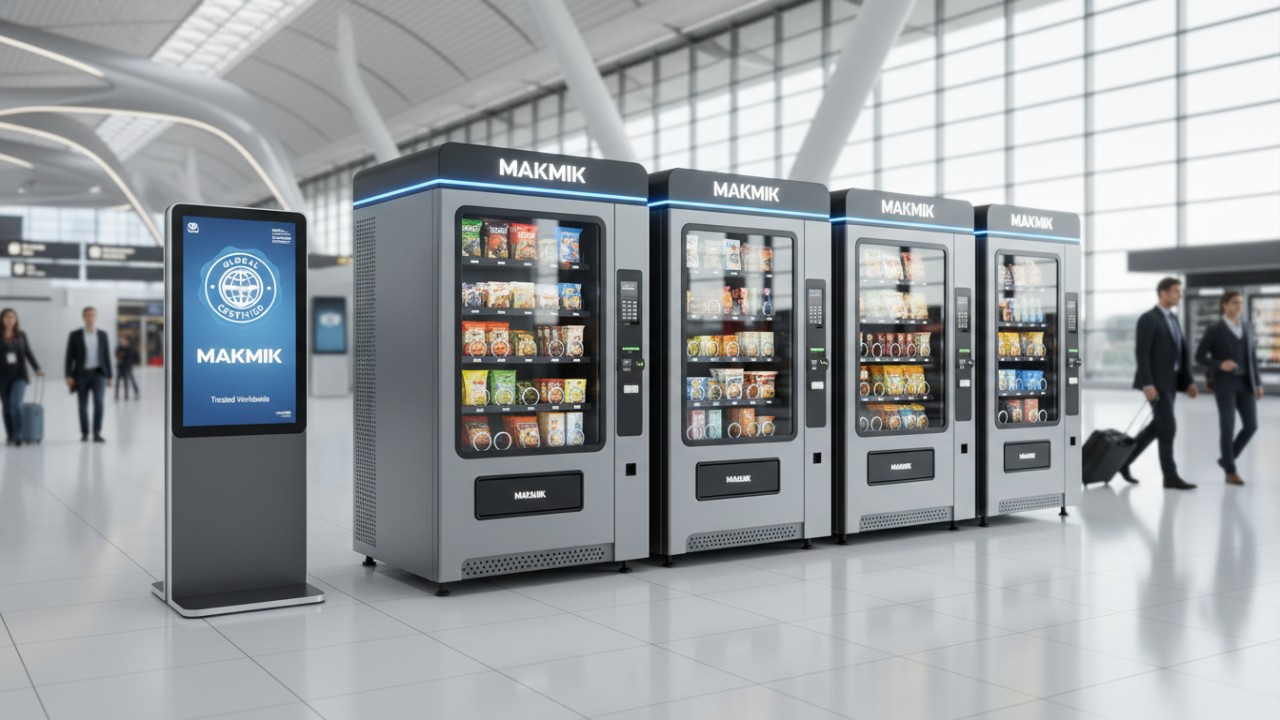
Navigating the complex landscape of vending machine regulations—from the UL 751 vending machine certification and the IEC 60335-2-75 safety standards to FCC protocols and strict ADA mandates—is non-negotiable for global operators in 2026. Specialized retail sectors, particularly those dispensing high-value cosmetics and fragile items, require advanced manufacturing protocols to ensure both product integrity and unparalleled consumer safety. Attempting to bypass these regulatory hurdles can lead to operational failures and costly liabilities. Choosing an experienced, globally recognized hardware partner can eliminate regulatory friction, guarantee safety, and significantly accelerate your time to market.
Contact us today to optimize your Compliance & Safety: Meeting Global Standards for Vending Hardware strategy.
FAQs About Compliance & Safety: Meeting Global Standards for Vending Hardware
What is the UL 751 standard for vending machines?
UL 751 is the primary safety certification for commercial vending machines in North America. It mandates strict testing for electrical shock risks, fire hazards, and the mechanical stability of the machine to prevent tipping.
Are perfume vending machines required to be ADA compliant?
Yes, any vending machine placed in a public space in the United States must comply with the Americans with Disabilities Act (ADA). This includes ensuring touchscreens, payment terminals, and product retrieval bins are within specified reach ranges.
What does IEC 60335-2-75 cover for smart vending hardware?
IEC 60335-2-75 is the international safety standard for commercial dispensing appliances and vending machines. It covers electrical safety, protection against moisture ingress, and mitigation of mechanical hazards for global market entry.
How do I get a CE mark for a custom perfume vending machine?
To obtain a CE mark, manufacturers must conduct a conformity assessment against the EU Machinery Regulation. This involves compiling a technical file, passing standardized electrical/safety tests, and drafting a formal Declaration of Conformity.
Why is FCC Part 15 compliance important for vending hardware?
Smart vending machines use IoT telemetry, Wi-Fi, and payment gateways that emit electromagnetic frequencies. FCC Part 15 compliance ensures these emissions do not interfere with other critical communication networks and devices.
What are the key differences between RoHS and REACH for electronics?
RoHS specifically restricts the use of ten hazardous materials (like lead and mercury) in electrical and electronic equipment. REACH is a broader EU regulation governing the registration, evaluation, and restriction of all chemical substances used in manufacturing.
Do perfume spray vending machines need specific temperature controls?
Yes, maintaining a stable internal temperature is vital for perfume vending machines to preserve the fragrance notes. Extreme heat or fluctuating conditions can degrade cosmetic products and create internal pressure hazards.
How can manufacturers prepare for 2026 vending accessibility regulations?
Manufacturers should begin integrating advanced digital accessibility features now, such as audio-assisted navigation and high-contrast UI screens. Partnering with forward-thinking hardware providers like MAKMIK ensures your upcoming deployments remain legally compliant.
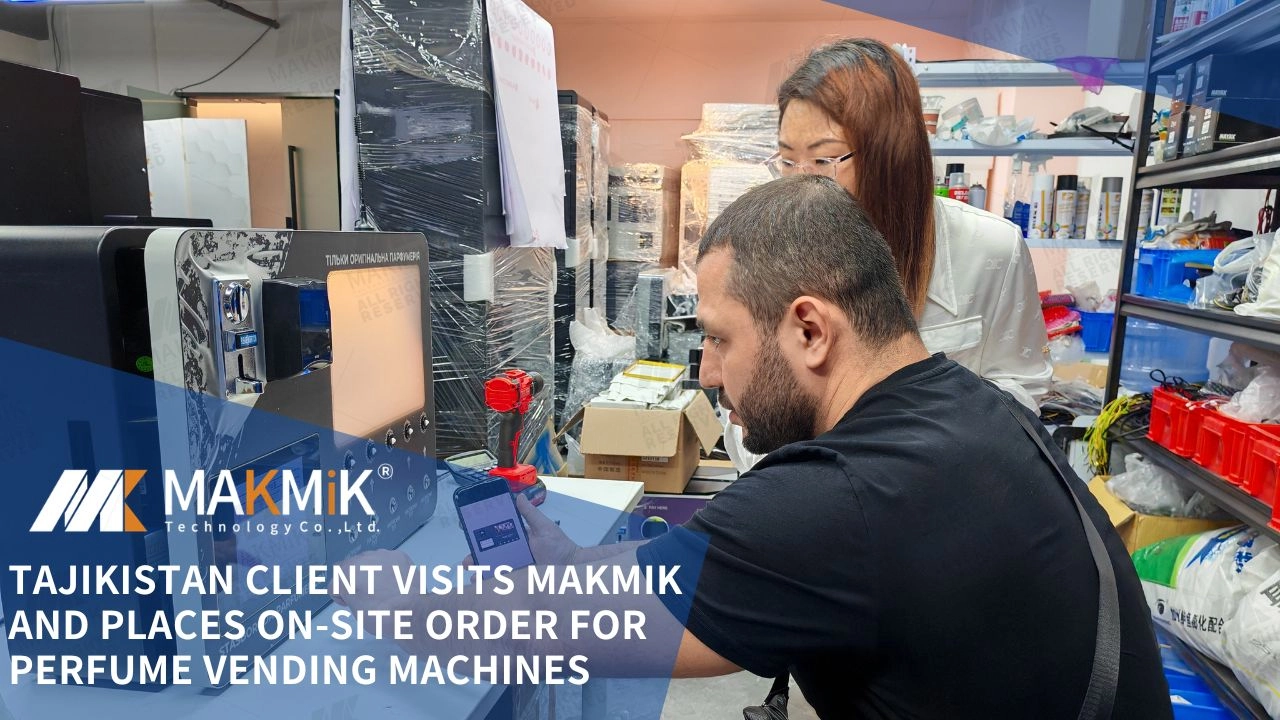
Tajikistan Client Visits MAKMIK and Places On-Site Order for Perfume Vending Machines
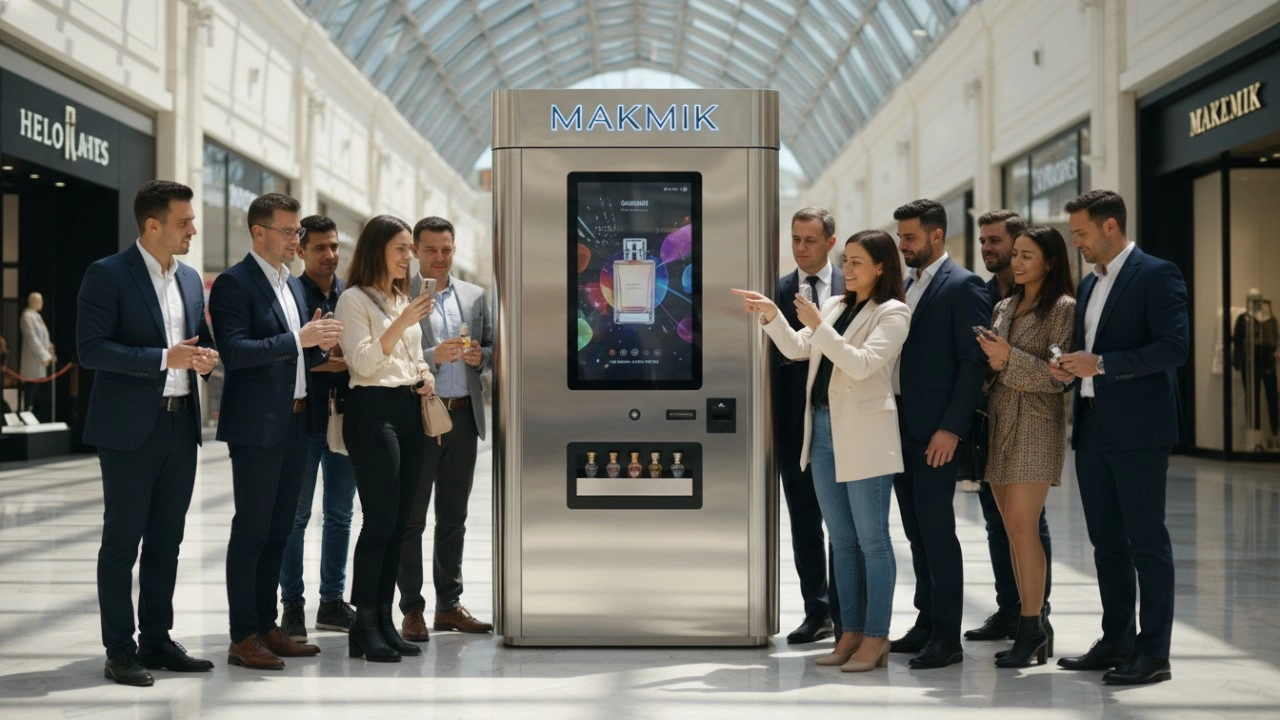
How to Profit from Perfume Vending Machines: Distributor Business Model Guide
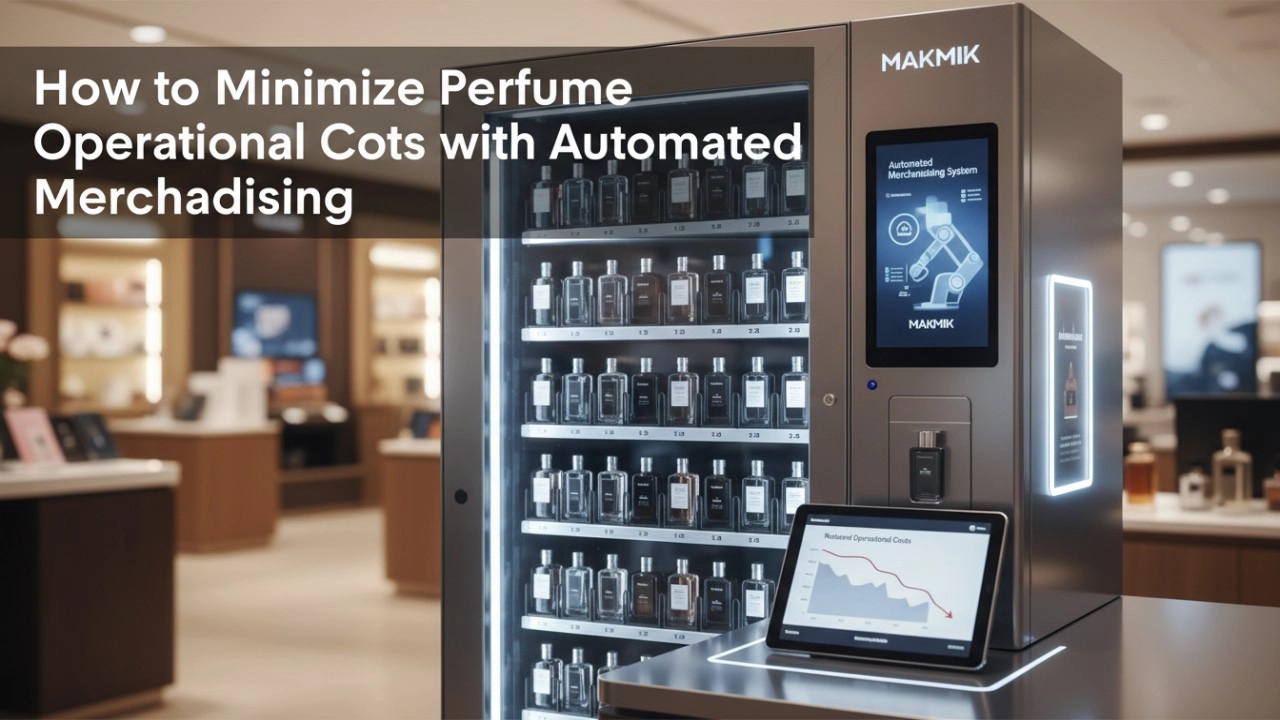
How to Minimize Perfume Operational Costs with Automated Merchandising in 2026

Perfume Vending Machine Business Guide for Operators: Profit, ROI & Strategy

Are Perfume Vending Machines Profitable? ROI & Business Guide (2026)
FAQ
How do you ensure the quality of your vending machines?
We adhere to strict quality control processes and use high-quality materials and components to ensure durability and reliability.
How can I monitor and manage my vending machines remotely?
Our vending machines come with advanced telemetry systems that allow remote monitoring and management through a web-based platform or mobile app.
What is the lead time for manufacturing and delivery?
Lead times vary based on the type and quantity of vending machines ordered, but we strive to deliver within 6-8 weeks from the date of order confirmation.
Do you provide installation and maintenance services?
Yes, we offer comprehensive installation and maintenance services to ensure your vending machines operate smoothly.
What kind of technical support do you offer?
We provide 24/7 technical support, including troubleshooting, repair services, and remote assistance to resolve any issues promptly.
Send my request
Connect with us to schedule a consultation, request samples, or arrange a site visit to see our facilities and capabilities firsthand.
Reach out to us via phone, email, or through the contact form below, and we'll get back to you promptly within 24 hours.
© 2025 MAKMIK | All Rights Reserved.
Facebook
Linkedlin
YouTube
Instagram