


Are Perfume Vending Machines Profitable? Complete ROI Guide
Perfume vending machines are becoming popular in malls, hotels, bars, and airports. While the high per-spray margin looks attractive, actual profitability depends on location, sales volume, and operational strategy. This guide breaks down how these machines generate revenue and what operators should consider before investing.
- High Margins Don’t Always Mean High Profit
- Three Revenue Streams of a Perfume Vending Machine
- Costs That Reduce Profit
- Location Determines Income More Than Price
- ROI Model
- Two Types of Operators, Two Profit Models
- Profit Is Designed, Not Just Calculated
- Device Type Affects Revenue Potential
- Summary
- Next Steps / Read More
High Margins Don’t Always Mean High Profit
Many new operators are attracted by a single fact: a perfume spray costs about $0.1–0.2 to produce but sells for $3–5, implying a 90%+ margin.
However, high margins don’t guarantee profit. Key drivers are:
-
Daily sales volume
-
Location and foot traffic quality
-
Operational management
Profit depends on execution, not just pricing.
Three Revenue Streams of a Perfume Vending Machine
A mature machine generates revenue from three layers:
-
Spray Sales (Core Cash Flow) – Impulse purchases in social or on-the-go scenarios.
-
Mini Bottles & Sample Sales (Profit Booster) – 5–10ml bottles increase average transaction value.
-
Advertising & Brand Partnerships (Advanced Revenue) – Screens or machine branding provide additional income.
Spray attracts users, mini bottles drive profit, advertising adds extra value.
Costs That Reduce Profit
Even with high per-unit margins, real profits are affected by:
-
Venue fees (rent or revenue share): 5–30%
-
Payment processing fees: 2–4%
-
Restocking and maintenance
-
Device depreciation
-
Losses and machine downtime
This is a “high-margin, high-expense” business model.
Location Determines Income More Than Price
Daily sales volume is the main variable:
| Sales/day | Profit potential | Example location |
|---|---|---|
| <5 | Low | Low traffic areas |
| 8–12 | Medium | Average mall or hotel |
| 15+ | High | Nightclubs, high-traffic entrances |
Key takeaway: Foot traffic alone doesn’t guarantee profit. Look for visibility, dwell time, and purchase intent.
ROI Model
Example for a mid-level location:
-
Daily sprays: 10
-
Price per spray: $4
Monthly revenue: 10 × $4 × 30 = $1,200
After deducting costs (venue, restocking, maintenance, fees), net profit ≈ $500–800/month
-
Ordinary locations: ROI 12–24 months
-
Premium locations: ROI 6–12 months
This is a steady cash flow project, not a get-rich-quick scheme.
Two Types of Operators, Two Profit Models
-
Perfume Sellers / Operators – Profit through continuous sales; key skills: location selection, operations, and product mix.
-
Machine Distributors / Resellers – Profit through device sales and project-based solutions; key skills: channel management and customer acquisition.
Same industry, different players, very different revenue models.
Profit Is Designed, Not Just Calculated
Smart operators increase profitability by:
-
Negotiating venue revenue share instead of fixed rent
-
Optimizing product mix to maximize margins
-
Offering branded or in-house perfumes (ODM)
-
Matching the right device to the right location
Profitability comes from designing the business model, not just counting margins.
Device Type Affects Revenue Potential
Different machine types serve different strategies:
-
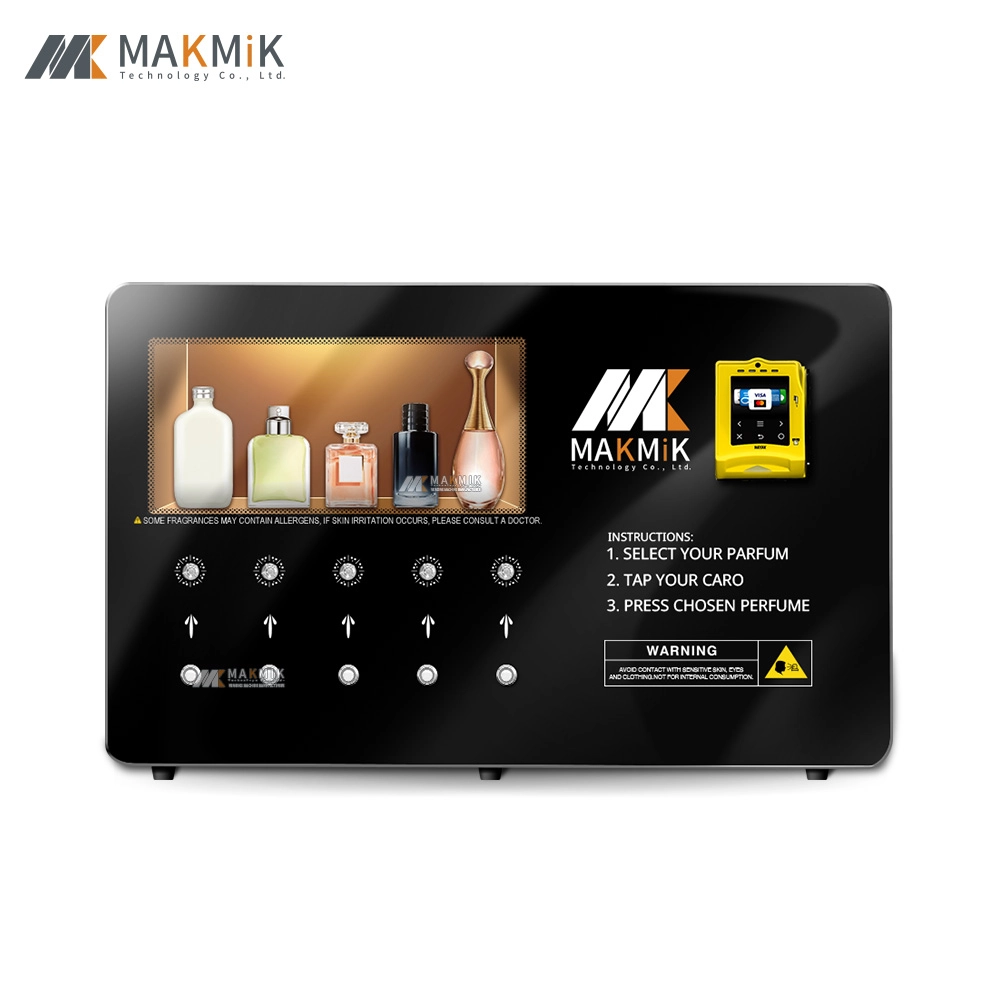
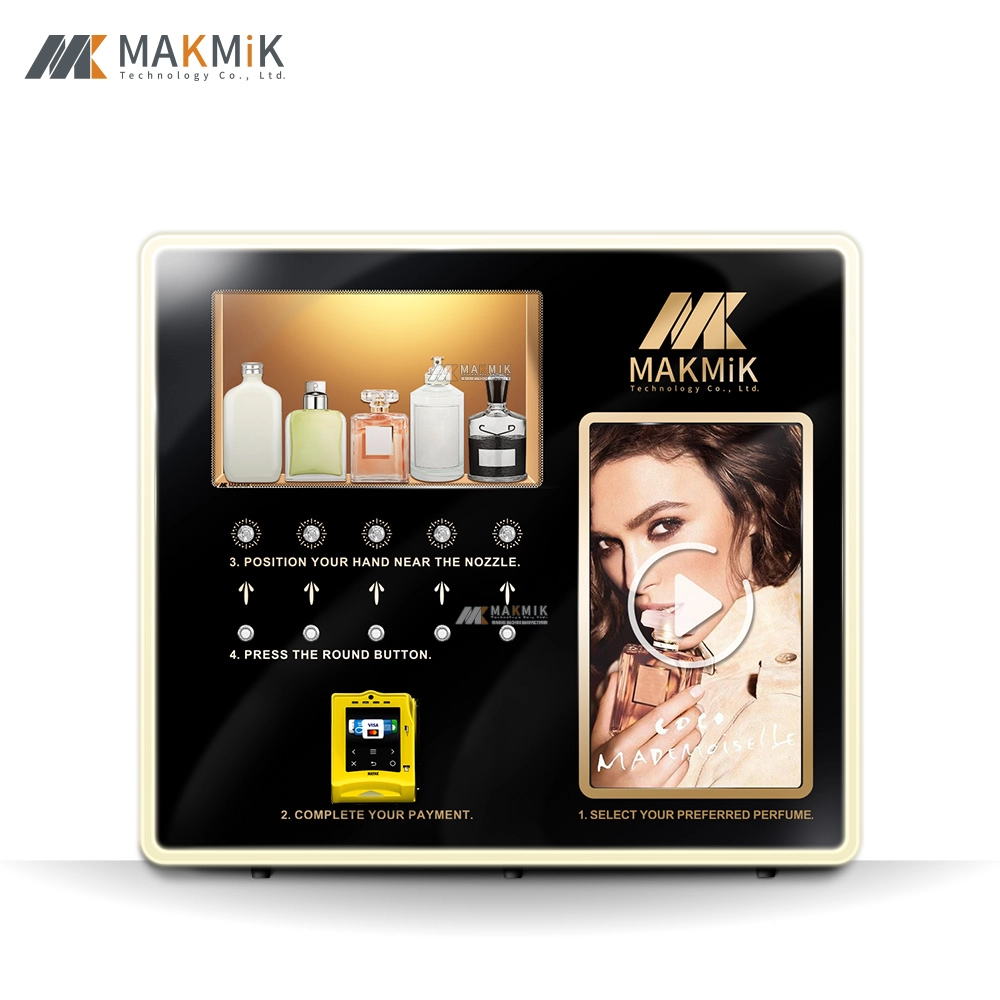
Spray-only machines: Low investment, fast ROI, suitable for testing new markets
-
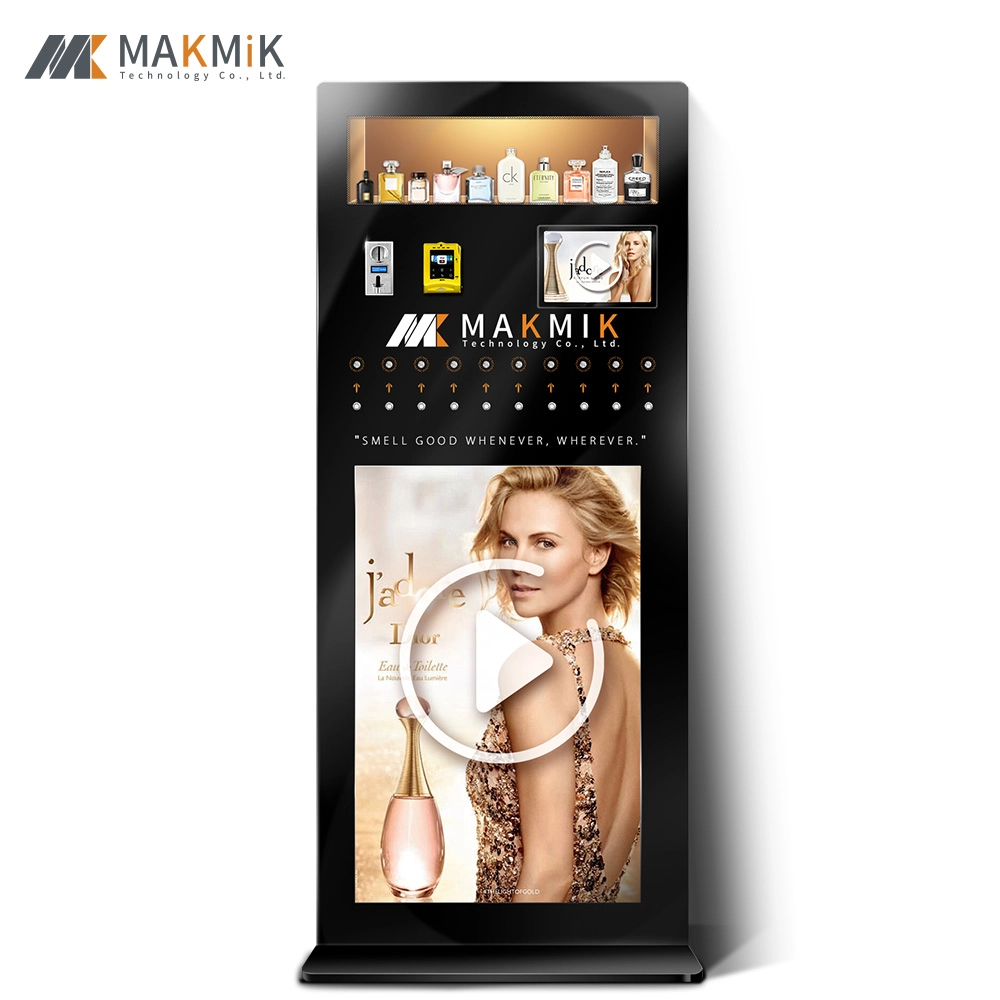
Machines with 43-inch ad screens: Generate extra ad revenue
-
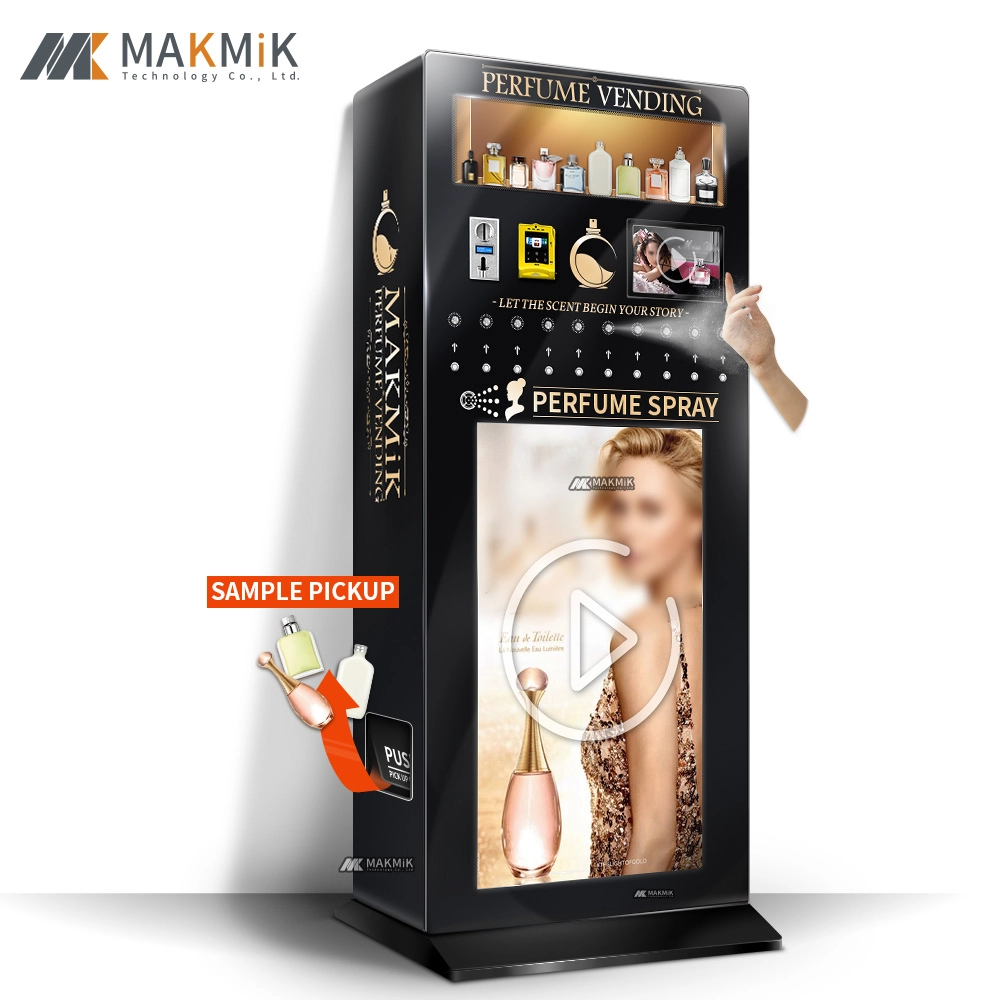
Perfume + product combination machines: Increase transaction value and overall profit
Next articles will explore each device type in detail.
Summary
Perfume vending machines suit:
-
Operators with access to premium locations
-
Entrepreneurs seeking light-asset business
-
Those with operational capabilities
High margins attract attention, but long-term success depends on location, sales volume, and smart business design.
Next Steps / Read More
-
👉 Perfume Vending Machine Profit Guide (Operator Version)
-
👉 How Distributors Can Profit from Perfume Machines
-
👉 Comparing Different Types of Perfume Vending Machines
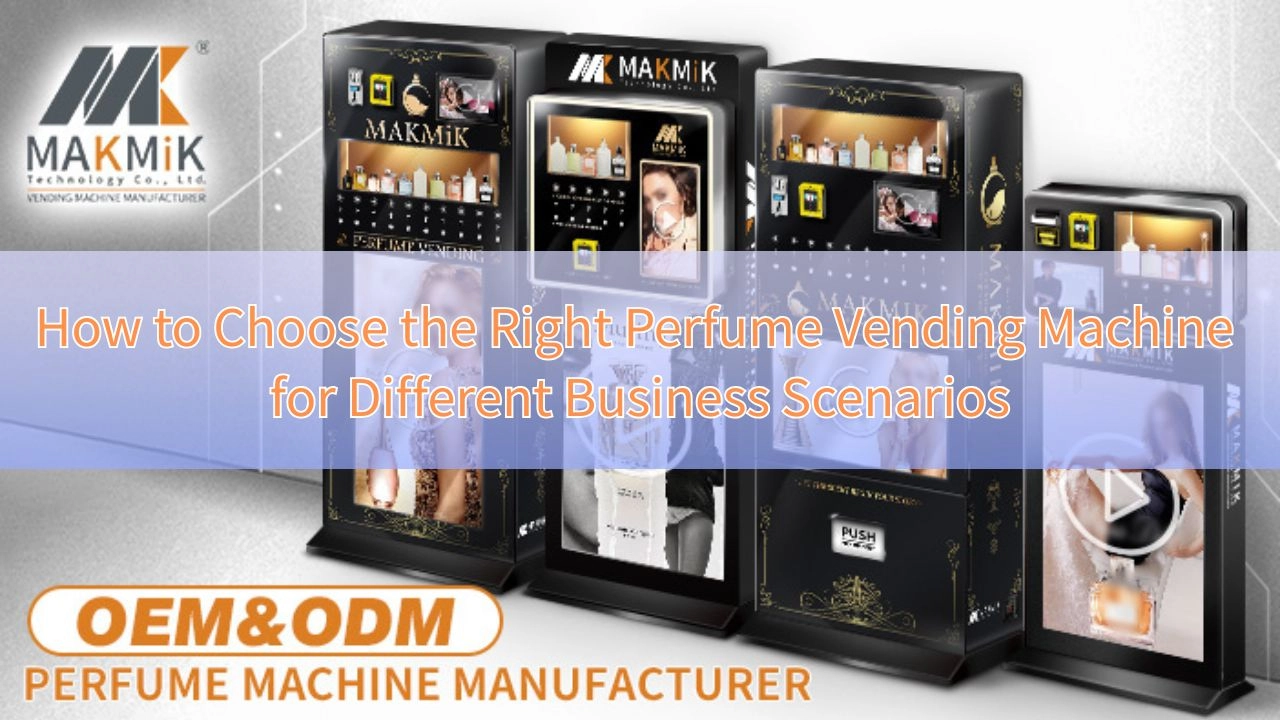
How to Choose the Right Perfume Vending Machine for Different Business Scenarios | MAKMIK Guide
What regulations affect perfume vending machines and sales?
What payment options should perfume vending machines support?
Can perfume vending machines integrate with my POS system?
How to negotiate bulk purchase terms for vending machines?
FAQ
What kind of technical support do you offer?
We provide 24/7 technical support, including troubleshooting, repair services, and remote assistance to resolve any issues promptly.
What payment options do your vending machines support?
Our vending machines support various payment methods, including cash, credit/debit cards, mobile payments, and contactless payments.
What is the lead time for manufacturing and delivery?
Lead times vary based on the type and quantity of vending machines ordered, but we strive to deliver within 6-8 weeks from the date of order confirmation.
How can I monitor and manage my vending machines remotely?
Our vending machines come with advanced telemetry systems that allow remote monitoring and management through a web-based platform or mobile app.
Do you offer warranties on your vending machines?
Yes, we provide warranties on all our vending machines, covering parts and labor for a specified period to ensure peace of mind for our clients.
Send my request
Connect with us to schedule a consultation, request samples, or arrange a site visit to see our facilities and capabilities firsthand.
Reach out to us via phone, email, or through the contact form below, and we'll get back to you promptly within 24 hours.
© 2025 MAKMIK | All Rights Reserved.
Facebook
Linkedlin
YouTube
Instagram